


Catalogue
Let's stay in touch
Get 5% off your first order.
Latest Articles
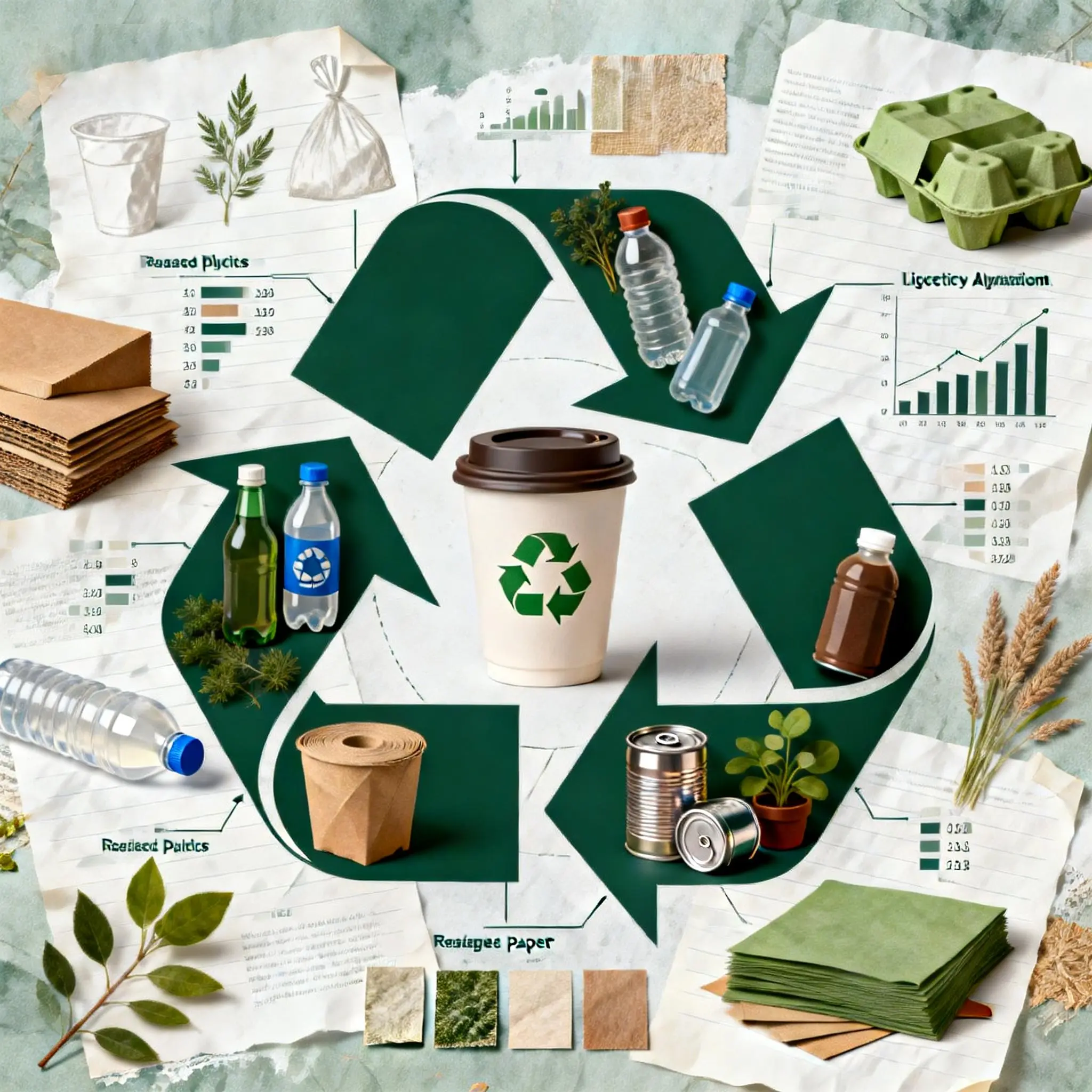
Green and sustainable packaging has become one of the most critical topics in today’s global packaging industry. As environmental concerns intensify and regulatory frameworks tighten, businesses across industries are rethinking how packaging is designed, produced, used, and disposed of. Packaging is no longer viewed merely as a protective container, but as a key element in corporate sustainability strategies.
In foodservice and beverage applications, sustainability discussions increasingly extend to everyday items such as sample cups paper products used for tasting and promotions, as well as disposable drinkware found in cafés and quick-service restaurants. These small-format packaging items may seem insignificant, but their large-scale use makes them highly relevant to sustainability efforts.
Green packaging focuses on minimizing environmental impact through material selection, production efficiency, and waste reduction. Sustainable packaging, on the other hand, takes a broader life-cycle approach, considering environmental, economic, and social impacts from raw material extraction to end-of-life disposal. Together, green and sustainable packaging represent a shift toward responsible consumption and circular economy principles.
Traditional packaging relies heavily on fossil-fuel-based plastics, multilayer composites, and non-renewable materials. These materials are often difficult or impossible to recycle, leading to massive accumulation in landfills and natural ecosystems. Single-use plastic packaging, in particular, has become one of the most visible symbols of environmental pollution.
In the beverage sector, conventional plastic coffee cups lids and inner linings are a major concern. While they provide convenience and heat resistance, they are frequently made from mixed materials that complicate recycling. Once discarded, such packaging can persist in the environment for hundreds of years, gradually breaking down into microplastics that contaminate soil, water, and food chains.
The principles of reduce, reuse, recycle, and renew guide modern sustainable packaging strategies. Reducing material usage involves lightweighting and eliminating unnecessary components. For example, optimizing coffee cup dimensions can significantly reduce raw material consumption without compromising user experience.
Reuse emphasizes systems that allow packaging to have multiple life cycles, such as reusable cup programs. Recycling focuses on mono-material designs that are compatible with existing recycling infrastructure. Renew refers to the use of renewable and responsibly sourced materials, such as paper certified by sustainable forestry programs.
Paper-based packaging is one of the most widely adopted sustainable solutions due to its renewability and recyclability. Paper cups, sleeves, and sample cups paper formats are increasingly used as alternatives to plastic, particularly when sourced from FSC-certified forests and combined with water-based or biodegradable coatings.
Compostable materials such as PLA, bagasse, and molded fiber are gaining traction in food and beverage packaging. These materials are often used in cup bodies and coffee cups lids, offering a lower environmental impact when disposed of in industrial composting systems.
Recyclable plastics like PET and PP continue to play a role, especially where durability and clarity are required. At the same time, innovative materials derived from mushrooms, seaweed, and agricultural waste are emerging as next-generation sustainable packaging options.
Sustainable design goes beyond material choice. Eco-design principles emphasize structural efficiency, functionality, and minimalism. For beverage packaging, this includes standardizing coffee cup dimensions to improve stacking, transportation efficiency, and compatibility with lids and sleeves.
User behavior is also an important consideration. Clear labeling, intuitive design, and compatibility with recycling systems can increase the likelihood that packaging is disposed of correctly. In large coffee chains, consumer questions such as “how many ounces is a medium dunkin iced coffee” highlight the importance of clear volume communication and standardized sizing across brands.
Life Cycle Assessment (LCA) is a critical tool for evaluating the environmental performance of packaging solutions. By analyzing impacts from raw material extraction to manufacturing, transportation, use, and end-of-life, LCA helps brands identify trade-offs and make data-driven decisions.
For example, an LCA comparison between plastic and paper-based cups may reveal that while paper has advantages in renewability, design factors such as coating type, lid material, and coffee cup dimensions significantly influence overall environmental impact.
Certifications and standards play a vital role in ensuring transparency and credibility. FSC certification confirms responsible forestry practices for paper materials, while BPI and OK Compost certifications verify compostability under specific conditions.
In foodservice packaging, compliance with food-contact regulations is equally important. This applies to everything from sample cups paper products used in retail environments to large-volume beverage containers used by global coffee brands.
The food and beverage sector is at the forefront of sustainable packaging adoption. Coffee shops, for instance, are redesigning cups, coffee cups lids, and sleeves to reduce plastic content and improve recyclability. Standardized sizing also helps consumers better understand portion sizes, whether they are ordering a small espresso or asking how many ounces is a medium dunkin iced coffee.
Other industries, including e-commerce, cosmetics, and pharmaceuticals, are also embracing sustainable packaging through reduced materials, recyclable formats, and improved logistics efficiency.
Despite significant progress, challenges remain. Sustainable materials often come at a higher cost, and recycling infrastructure varies widely by region. In addition, consumer confusion around compostable versus recyclable packaging can undermine sustainability goals.
Looking ahead, future trends include increased adoption of fiber-based solutions, smarter packaging design guided by LCA data, and greater collaboration across the value chain. Improvements in material science may also lead to fully recyclable or compostable coffee cups lids that perform as well as traditional plastics.
Green and sustainable packaging is no longer a niche concept but a necessity for environmental protection and long-term business resilience. From optimizing coffee cup dimensions to selecting responsibly sourced sample cups paper materials, every design decision contributes to a more sustainable packaging ecosystem. As innovation continues and consumer awareness grows, sustainable packaging will play an increasingly central role in shaping the future of global consumption.