




Uchaguzi kati ya milango ya vyakula vya kahawa ya karatasi na milango ya plastiki unawakilisha uamuzi muhimu kwa makahawa, mapishi, na watoa huduma ya mashariki yanayotumia mazingira ya kubadilika ya uvunaji wa kisasa. Kama vile sheria za mazingira zinavyoongezeka na mapendekezo ya wateja yanaobadilika kuwa na mbadala ya mara kwa mara ya kisasa, kuelewa tofauti za msingi kati ya aina hizi mbili za milango inakuwa muhimu kwa kufanya uamuzi wa kununua wenye taarifa. Uchambuzi huu wa kina unachunguza ubunifu wa vitu, tabia za utendaji, athari za mazingira, na maoni ya kisasa yanayotoa tofauti kati ya milango ya kahawa ya karatasi na yale ya plastiki ya kawaida.
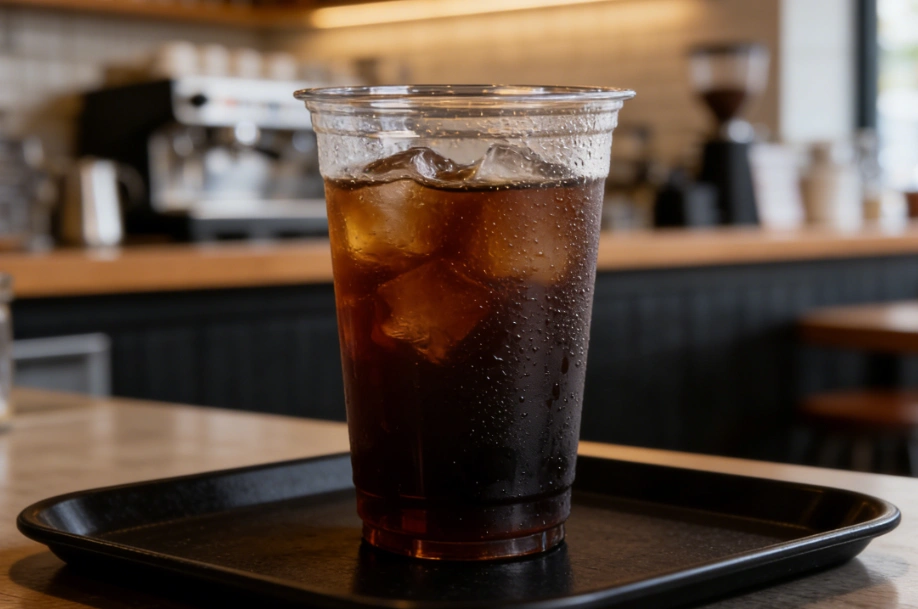
Ingawa lidzi za plastiki zimekua kudominisha sekta ya huduma ya chakula kwa miaka mingi kwa sababu ya uwezo wao wa kusimama na gharama ndogo, uzuri wa lidzi za kahawa za karatasi unaonyesha mabadiliko makubwa katika teknolojia ya upakiaji. Mbadala hii yameundwa ili kupatia uwezo sawa wa kufanya kazi wakati huo huo wakijibu wasiwasi wa ustawi wa mazingira yanayohusiana na plastiki zinazotokana na petroli. Hata hivyo, ubadilisho huu haujali tu kubadilisha vitu—bali unahitaji kuelewa jinsi ya kufanya kazi ya aina ya lidzi kila moja chini ya hali tofauti za huduma, jinsi zinavyounganishwa na mfumo wa vyakula vya sasa, na vipengele gani vya kufanya kuchaguliwa na biashara wakati wa kuhakikisha ustawi wa mazingira pamoja na ufanisi wa uendeshaji na uridhika wa wateja.
Uunganisho wa vyakula na Mfumo wa Uzalishaji
Vituo vya Msingi na Uchaguzi wa Vituo vya Kwanza
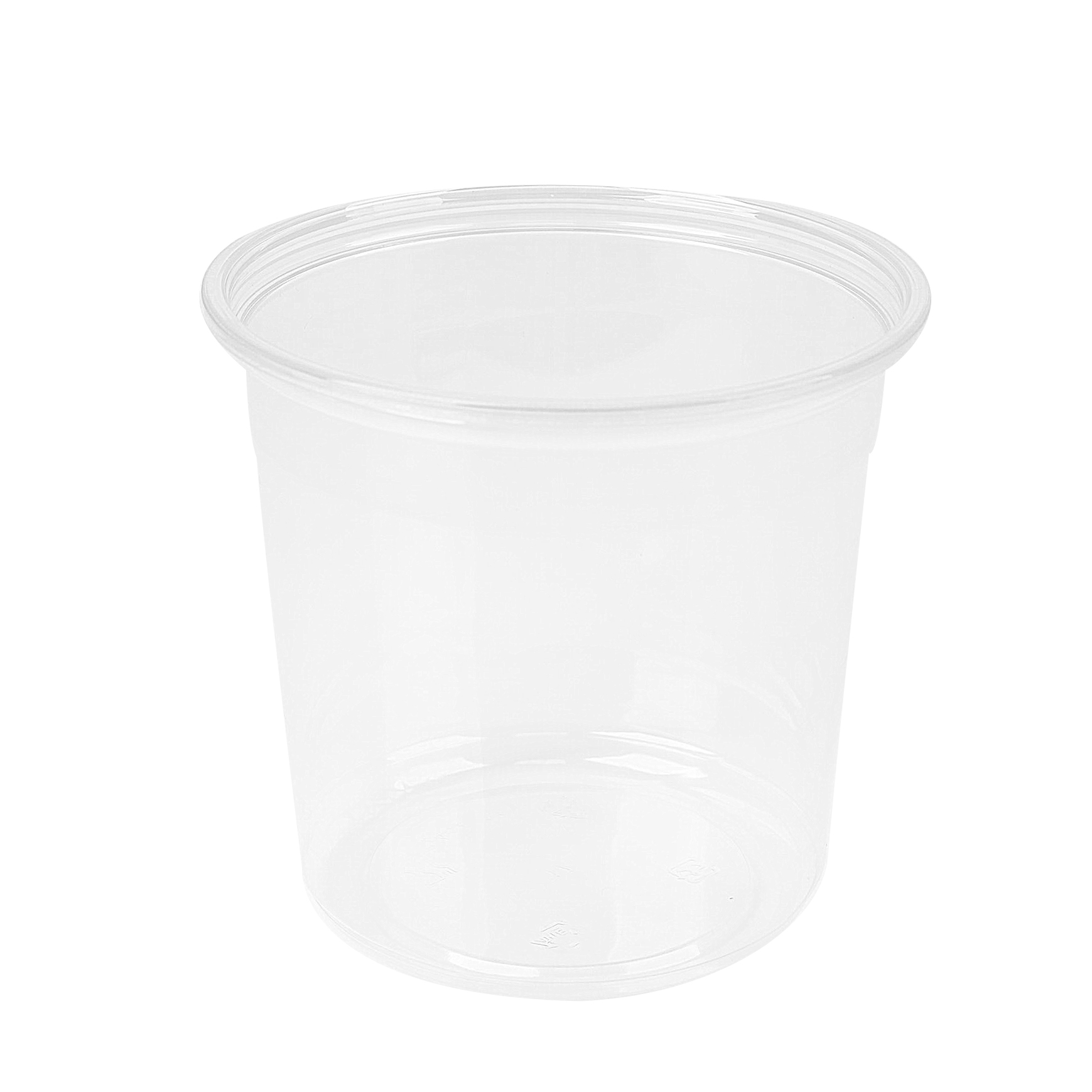
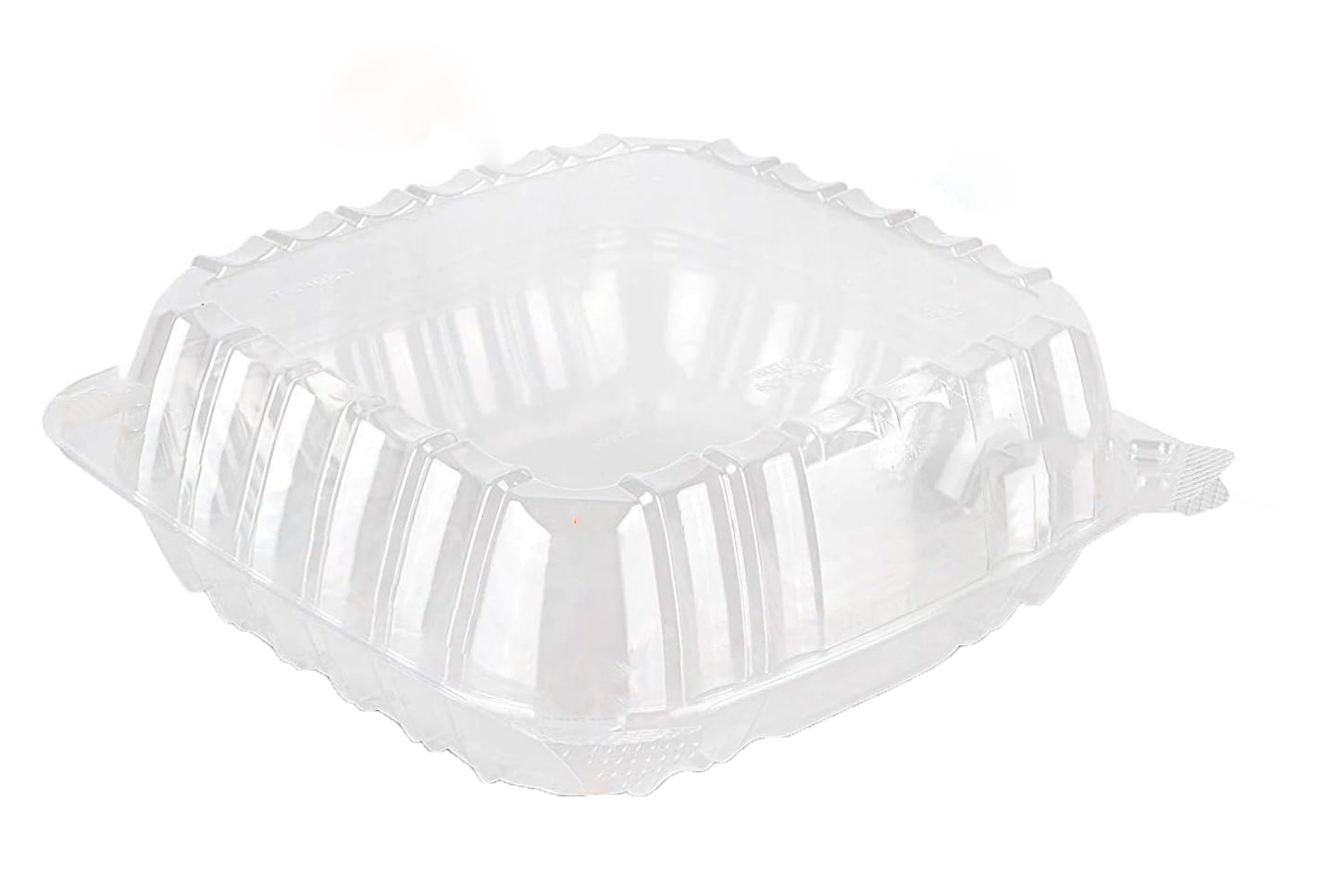
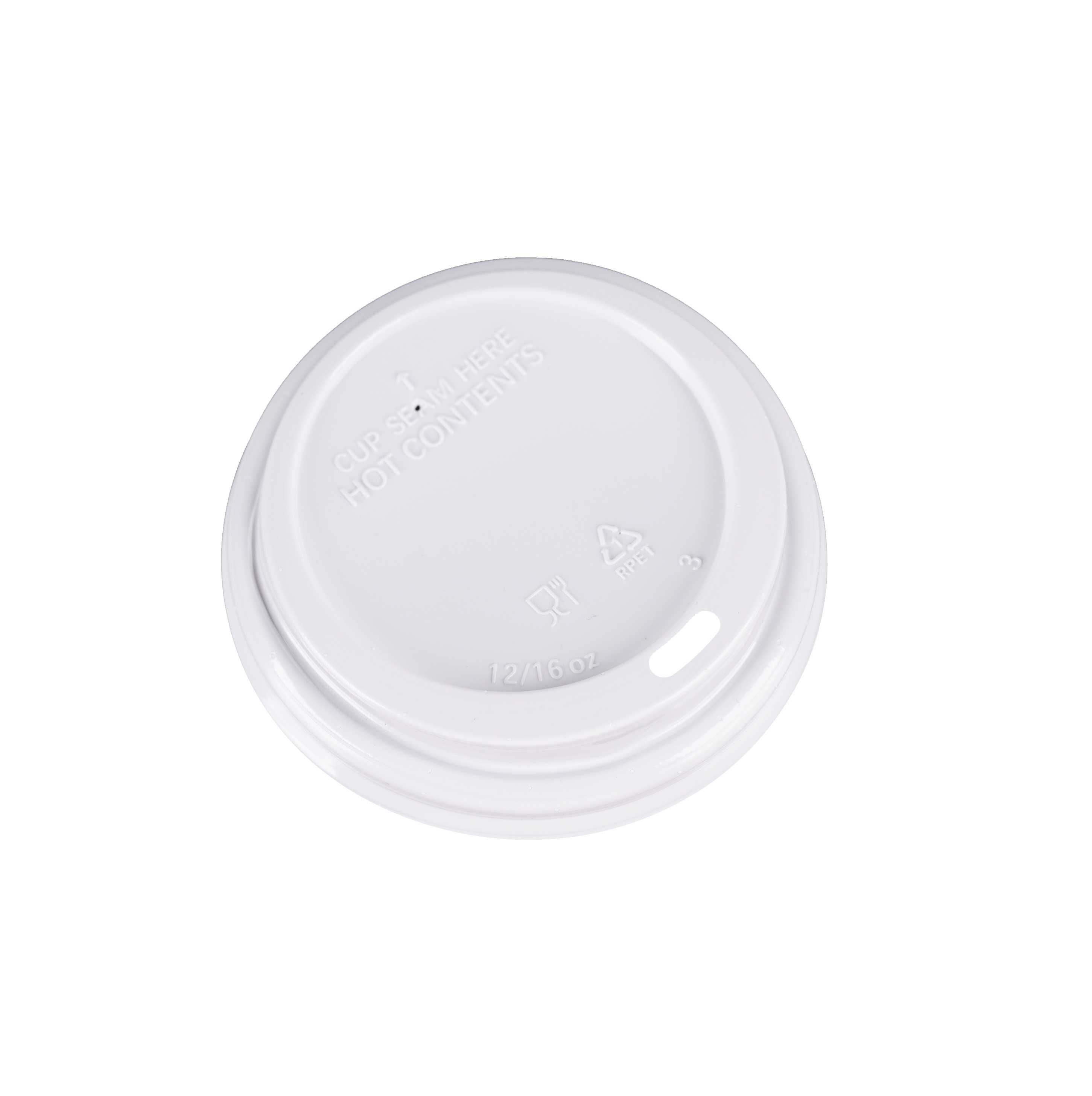
Vifuniko vya vikombe vya kahawa vya plastiki kwa kawaida hutengenezwa kutoka kwa polima ya polystyrene, polima ya polypropen, au polima ya polyethilini—polima za thermoplastiki zinazotokana na mafuta ya petroli. Nyenzo hizi hutoa uwezo wa kipekee wa kufinyangwa, na kuruhusu watengenezaji kuunda miundo tata yenye mifereji sahihi ya kunywea, vichupo vinavyoweza kufinyangwa tena, na vipengele vya uingizaji hewa. Mchakato wa uzalishaji unahusisha kuyeyusha chembechembe za plastiki na kuziingiza kwenye ukungu chini ya shinikizo kubwa, na kuunda bidhaa thabiti kwa kasi ya juu. Vifuniko vya plastiki vya kitamaduni hunufaika na minyororo ya usambazaji iliyoanzishwa na miongo kadhaa ya uboreshaji wa nyenzo, na kusababisha sifa za utendaji zinazoweza kutabirika na gharama za chini sana kwa kila kitengo.
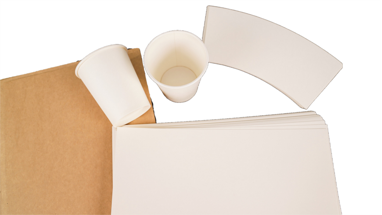
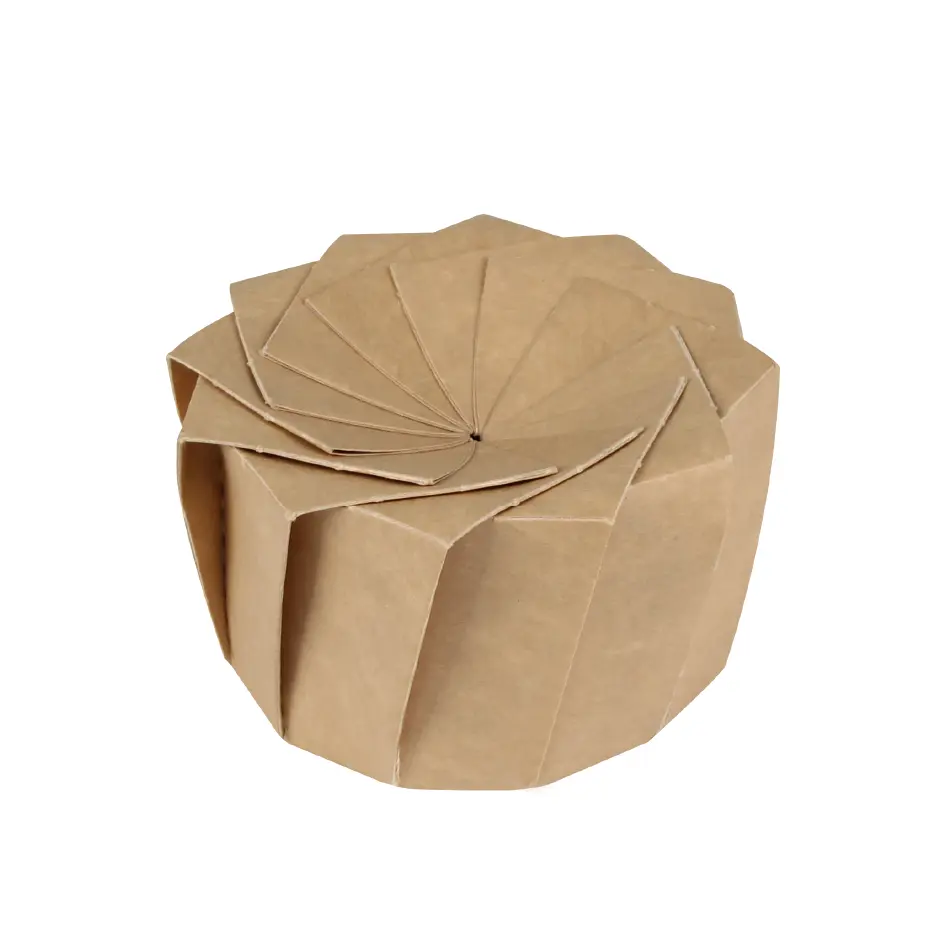
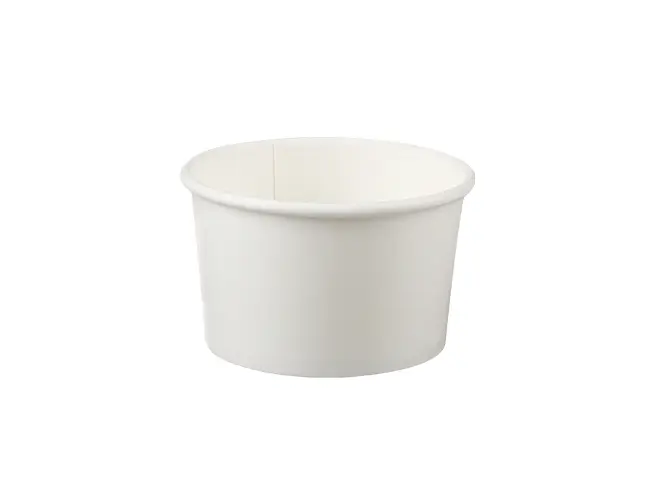
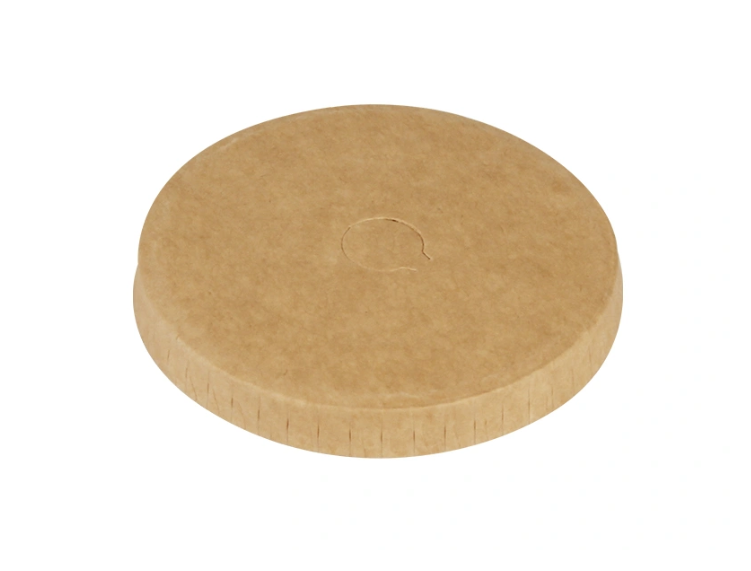
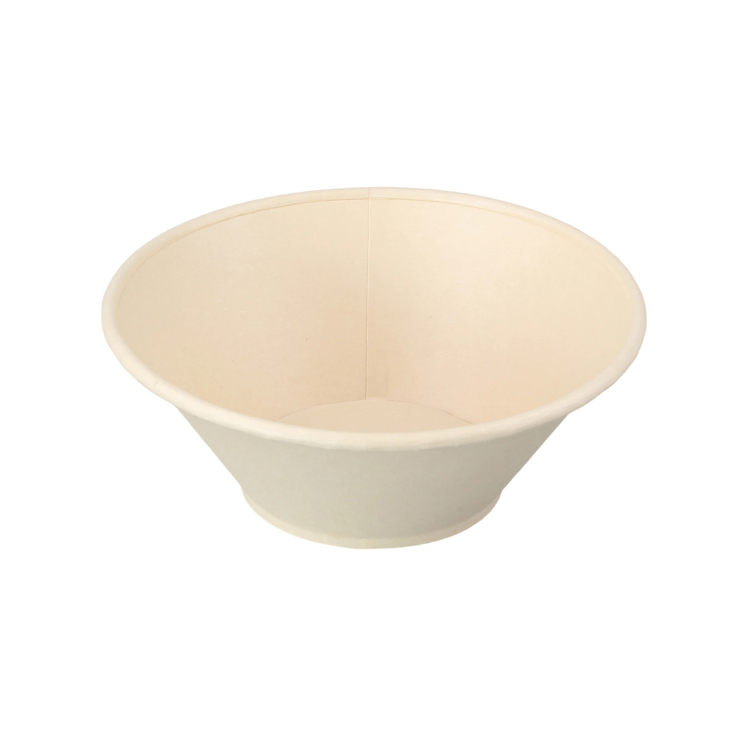
Kinyume chake, lidu za vyakula vya kahawa za karatasi zinajengwa kutoka kwa vitu vya karatasi vilivyopatikana kutoka kwa misitu iliyotunzwa kwa njia ya kudumisha au kutoka kwa karatasi iliyotumika tayari na kubadilishwa. Chombo cha msingi kawaida hujumuisha karatasi ya kisasa ya chakula yenye vipimo maalum vya kipenyo ili kuhakikisha uwezo wa kushikilia muundo. Kinyume cha bidhaa rahisi za karatasi, lidu hizi zinahitaji mafuta ya kipekee au mafuta ya ndani ili kupatia uwezo wa kuzuia maji na kuzuia kuwa nyepesi wakati wa kufunguliwa na kahawa moto. Baadhi ya mchanganyiko ya juu inajumuisha polimeba za mimea kama vile asidi ya polilaktiki iliyotokana na unga wa mahindi au mkate wa mbegu za sugarcane, ikijenga kizuizi cha kuzuia maji wakati huendeleza uwezo wa kubadilishwa katika komposti. Ufunguzi wa teknolojia ya uzalishaji wa lidu za kahawa za karatasi unapita kile cha tofauti za plastiki, ukizingatia hatua za ziada za uzalishaji ili kuchapisha mafuta, kujenga mapinduzi ya muundo, na kufikia uwezo wa kushikilia kwa kutosha.
Teknolojia ya Uzalishaji na Udhibiti wa Ubora
Uzalishaji wa milango ya plastiki unatumia teknolojia ya kufurusha kwenye moldi ambayo imeboreshwa kwa miaka mingi, ikiruhusu kasi ya uzalishaji inayopita vizingiti vya vitu kwa saa na kiwango cha makosa chini sana. Asili ya thermoplastiki ya vitu hivi vinaleta ukarafu wa kuchukua baridi haraka na kutoa moja kwa moja kutoka kwenye moldi, pamoja na mifumo ya awtomatiki ya udhibiti wa ubora inayogundua tofauti za ukubwa au makosa ya vitu katika wakati halisi. Mfumo huu ulioborolewa wa uzalishaji unaleta upatikanaji mkubwa na faida ya bei ambayo milango ya plastiki inashiriki nchini mara nyingi. Ustahimilivu wa muundo wa moldi pia unahimiza uwezekano wa kufanana na vipengele vya kipande cha kikombe tofauti kutoka kwa watoa huduma mbalimbali.
Uzalishaji wa milango ya vyakula vya kahawa kwa karatasi unahusisha uchimbaji kwa kutumia kisanduku, kupiga panga, na uundaji wa vitu ambavyo huweka karatasi ya kibao katika muundo wa tatu dimensi. Utaratibu huu unahitaji ushirikiano wa uhakika kati ya vifaa vya kuchoma, vifaa vya kupiga panga, na vifaa vya kuunganisha kwa joto ili kujenga milango ambayo huweka umbo lake na kufunga vizuri dhidi ya mabega ya vyakula. Udhibiti wa ubora wa milango ya karatasi unazingatia utendaji wa kuvua (coating), usahihi wa upiga panga, na majaribio ya nguvu ya muundo chini ya mgawo wa joto. Utaratibu wa kuvua unahitaji usimamizi wa makini ili kuhakikisha kwamba kuna ukubwa kamili bila kutumia mada zaidi ya lazima, kwa sababu uvua usio kamili husababisha kushindwa mapema wakati uvua zaidi unaweza kuharibu ushahidi wa uwezekano wa kufanyika kama mbolea (compostability). Wakuzajiri wenye ujuzi zaidi wanatumia mfumo wa kuvumbua ndani ya mstari (inline inspection systems) ambao huathiri usahihi wa vipimo na kugundua makosa ya uvua kabla ya bidhaa kufikia hatua ya kufunika.
Masharti ya Uthibitisho wa Mazingira na Utekelezaji
Mazingira ya udhibiti yanayozunguka aina zote mbili za vifuniko yanaendelea kubadilika kadri mamlaka zinavyotekeleza vikwazo vya plastiki vya matumizi moja na kuweka viwango vya uundaji wa mbolea. Vifuniko vya plastiki vinakabiliwa na uchunguzi unaoongezeka chini ya programu zilizopanuliwa za uwajibikaji wa wazalishaji na vinaweza kutozwa kodi au marufuku ya moja kwa moja katika masoko yanayoendelea. Hata vifuniko vya plastiki vinavyoweza kutumika tena hukabiliwa na changamoto kutokana na masuala ya uchafuzi katika mito ya kuchakata tena ya manispaa na hali halisi ya kiuchumi ya kupanga na kuchakata tena vitu vya umbo dogo. Baadhi ya wazalishaji wamejibu kwa kutengeneza vifuniko vya polypropen vilivyoundwa mahsusi kwa ajili ya kuboresha urejeshaji, ingawa mapungufu ya miundombinu yanaendelea.
Mipaka ya vyakula vya karatasi ya kahawa ambayo yanaleta masharti ya kufanikiwa kwa mchakato wa kusambaza (compostability) inapaswa kukidhi viwango vya juu kama vile ASTM D6400 Amerika Kaskazini au EN 13432 Ulaya, ambavyo hataja muda wa kusambazwa, kiwango cha kuharibika kwa kisasa, na kiwango cha mabaki yanayokubalika. Uthibitisho huu unahitaji mtihani wa maabara ya kujitegemea na ufuatiliaji wa ukuaji wa utii. Pia, sheria za usalama wa mazingira ya chakula zinatarajia kwamba vitu vyote vya kuvalisha na vya kushirikiana vilivyotumika katika ujenzi wa mipaka ya karatasi ya kahawa vinapaswa kukidhi viwango vya FDA au viwango vya kimataifa vya sawa kuhusu kikomo cha kusafirishwa. Mchakato wa uthibitisho wa mipaka ya karatasi ya kahawa huwa na muda mrefu zaidi ya kuanza na mahitaji ya kumbukumbu ya juu kuliko badiliko la plastiki ya kawaida, ingawa matumizi haya husaidia kuthibitisha taarifa za soko na kufuata sheria katika masoko yanayozuiwa.
Visho vya Utendaji na Tofauti za Kazi
Uwezo wa Kupinga Joto na Ustahili wa Joto
Mipaka ya plastiki inaonyesha uwezo mzuri wa kusimama dhidi ya joto katika vipindi vya kawaida vya huduma ya kahawa, na vitu kama vile polypropylene vinabaki na uwezo wao wa kufanya kazi kwa vipindi vya joto vinavyozidisha 90 digiri Celsius bila kubadilika au kuvunjika. Ustahili huu wa joto unaruhusu mipaka ya plastiki kutumika na mashariki ya moto sana mara moja baada ya kuyafunga bila kuwa na hatari ya kuvunjika kwa mipaka au uvunjaji wa wateja. Tabia za vitu hivi vinaendelea sawa wakati wa huduma yote, kuhakikisha kwamba mipaka inaendelea kufunga vizuri hata pale ambapo kahawa inapomaliza joto. Hata hivyo, baadhi ya michoro ya plastiki inaweza kuachania mchezo unaotambulika unapowekwa chini ya maji ya moto sana, na wasiwasi kuhusu uhamisho wa kemikali katika vipindi vya joto vya juu vimezalisha mapambo ya utangazaji kwa wateja.
Mipaka ya vyakula vya kahawa ya karatasi inapaswa kupata changamoto zinazojitokeza kuhusu kumwagika kwa maji na kushuka kwa uwezo wa kujenga wakati inapoandaliwa kwa joto na upepo. Mafuta ya kulinda yaliyojumuisha kwenye miongo ya karatasi hucheza jukumu muhimu katika kudumisha utendaji, kujenga vifence vilivyopunguza kuingia kwa maji na kushuka. Mipaka ya kahawa ya karatasi ya ubora wa juu hujiunga na ngazi nyingi za mafuta au polimea ya kisasa ya asili ambayo hutoa uwezo bora wa kusimama dhidi ya joto kulingana na badiliko la plastiki. Hata hivyo, uwepo mrefu wa joto kali na upepo huweza hatimaye kuharibu uaminifu wa mafuta, hasa katika eneo ambalo kuna mashaka kama vile mahali pa kufungua na mapengo ya kunywa. Kwa sababu hiyo, mipaka ya kahawa ya karatasi hufanya kazi vizuri zaidi wakati yanatumika kwenye mashariki ya kahawa yanayotarajiwa kutumika mara moja badala ya kuzidumisha kwa muda mrefu. Miradi ya kujaribu uwezo wa kusimama dhidi ya joto mara nyingi huwahusisha kufungwa kwenye maji yanayovuma kwa muda uliopewa ili kuthibitisha kwamba mipaka inadumisha uwezo wa kujenga na uwezo wa kufunga vizuri.
Uthabiti wa Ufunguo na Kuzuia Kupita kwa Mazingira
Mekanismo ya ufunguo unawakilisha tofauti muhimu ya kazi kati ya mafuta ya karatasi na ya plastiki. Mafuta ya plastiki yanafungua kwa kutumia ukubwa wa kina unaofanana kwa usahihi kati ya vichwa vya ndani vya mafuta na kipande cha kuzunguka cha kikombe, kujenga uwezekano wa kushindwa kwa kusonga wakati wa kushughulikia na kusafirisha. Uwezo wa plastiki kuunganika unaruhusu mafuta kuunganika kidogo wakati wa kufungua, kisha kurejeshwa ili kudumisha shinikizo la mara kwa mara dhidi ya kipande cha kikombe. Mbinu hii ya kubuni inatoa uwezekano wa kuzuia kupita kwa mazingira kwa uaminifu hata wakati kikombe kinapobebwa kwa njia ya kuzunguka au kuchukuliwa na mafuta ya kawaida. Mafuta ya plastiki ya kisasa yanajumuisha uso zaidi za kufungua na vipengele vya kufungua kwa kuvimba ambavyo vinatoa ishara ya sauti ya ufanisi wa kufungua.
Mipaka ya vyakula vya kahawa ya karatasi hutumia kanuni sawa za kuingiliana na mpaka, lakini lazima yajisaidie kwa kufanya mabadiliko kwa sababu ya uwezo mdogo wa kubadilika na kurejeshwa kwa vitu hivyo. Chombo cha karatasi kinahitaji vipengele vya kijiometria vya kina zaidi kama vile vikwambo vya kina au vifungo vya kufunga vya juu ili kupata nguvu sawa ya kushikilia mpaka wa vyakula. Baadhi ya muundo inajumuisha michoro iliyochapishwa au miundo ya mistari ambayo inaongeza msuguano na kuboresha usimamizi wa ufunguo. Ufanisi wa ufunguo wa mipaka ya karatasi unategemea sana ubora wa mpaka wa vyakula na njia sahihi ya kufunga mipaka. Wafanyabiashara wa kahawa na wafanyakazi wa huduma wanaweza kutahitaji mafundisho machache ili kuhakikisha kuwa mkondo wa kufunga ni kutosha bila kuvunja muundo wa mipaka. Unapofungwa vizuri, mipaka ya kahawa ya karatasi ya ubora wa juu hutoa utendaji wa kuzuia mchoro unaofaa kwa kushughulikia kawaida na usafirishaji, ingawa yanaweza kuonesha uwezo mdogo wa kubeba kushughulikia kwa nguvu au muda mrefu katika nafasi ya kuzunguka kinyume ya kawaida kuliko badiliko la plastiki.
Muundo wa Kufungua Korekta na Uzoefu wa Mtumiaji
Mipaka ya plastiki inatoa uwezo wa kubadilisha muundo kwa kutengeneza mikono ya kunywa yanayotamaniwa, ikiwemo vitabu vya kuvunja-chini, mapanga ya kunywa yanayoweza kufungwa tena, na muundo wa mifupa ya kuchukua ambayo inaboresha udhibiti wa mgandao wa mashariki. Uwezo wa hili cha plastiki kuunda miyango ya chini na yenye uwezo wa kuzunguka unasaidia vipengele kama vile mifupa ya kuzunguka ambayo inaruhusu watumiaji kufunga mkono kati ya kunywa. Vipengele hivi vya kazi vinachangia uzoefu bora wa mtumiaji na kusaidia kuzuia mafuriko wakati wa kunywa wakati wa kuenda. Uso wa glasi wa mipaka ya plastiki unatoa ukuaji wa kuanzia kwa labia, na watazamishi wanaweza kuboresha ukubwa wa mikono kwa kujumuisha visingilio vya mashariki mbalimbali, kutoka kwa kahawa ya kuchukua hadi kwa mashariki ya kuchanganya.
Mipaka ya ubunifu wa mafuta ya kahawa ya karatasi yana changamoto zaidi kwa sababu ya sifa za vitu na vikwazo vya uzalishaji. Kuunda mapito ya kunywa yanayofanya kazi katika karatasi inahitaji uhandisi wa makini ili kuzuia kupasuka wakati wa matumizi bila kuchukua ukubwa wa kutosha wa mapito kwa kunywa kwa urahisi. Mifumo mingi ya mafuta ya kahawa ya karatasi ina vipasuko vilivyopangwa awali ambavyo watumiaji wanaweza kuyapusha ili kuunda mapito ya kunywa, ingawa mtazamo huu unaweza kutengeneza mipaka ya kuvutia kuliko mapito ya plastiki iliyoundwa kwa njia ya kufurahisha. Vitu vilivyotumiwa kufunika mafuta ya karatasi lazima yasibadilike kwenye mzunguko wa mapito ili kuzuia maji kuingia na uvimbo wa muundo. Baadhi ya mifumo ya kisasa milango ya vyakula vya kahawa ya karatasi ina mifumo ya mchanganyiko yenye maplugi ya CPLA au PLA madogo ya kunywa yaliyowekwa ndani ya muundo wa karatasi, ikijiunganisha ustawi wa kisasa wa karatasi na faida za kazi za sehemu za bio-plastiki kwa mpito muhimu wa kunywa.
Athari za Mazingira na Maoni ya Uendelevu
Ukubwa wa Uchafuzi wa Kaboni na Uchafuzi wa Uzalishaji
Ulinganisho wa mazingira kati ya milango ya vyakula vya kahawa ya karatasi na milango ya plastiki inaendelea zaidi ya utaratibu wa kufa kwa bidhaa ili kujumuisha mchakato wote wa uzalishaji. Uzalishaji wa milango ya plastiki unafaida kutokana na mbinu za kuzalisha zenye ufanisi wa nishati na mahitaji ya vitu vya mfumo rahisi, ambayo huleta upepo mdogo wa kaboni kwa kila kitu katika hatua ya uzalishaji. Hata hivyo, mchakato wa kuchukua na kuchakata mafuta ya petroli unachohitajika kuzalisha vitu vya msingi vya plastiki huleta upepo mkubwa wa kaboni hapo juu. Athari za usafiri zinamsaidia milango ya plastiki kwa sababu ya uzito wao mdogo na uwekaji bora zaidi kwenye kikapu, kuhakikisha kuwa vitu vingi zaidi vinaweza kusafirishwa kwa kila meli ya gari. Hisabati za kaboni huwa ngumu zaidi wakati wanachukua katika maangazo mifumo ya nishati ya eneo fulani, na uzalishaji wa plastiki katika vifaa vilivyotengenezwa kwa kutumia nishati ya kisasa inaonyesha mafanikio bora ya mazingira kuliko uzalishaji unaotegemea mafuta ya moto.
Mipaka ya vyakula vya kahawa ya karatasi kawaida hufanikisha mahitaji ya nishati ya uzalishaji zaidi kwa sababu ya mchakato wa kuchuma, matumizi ya madhara, na uendelezaji wa kufanya kazi unaofanana. Hata hivyo, unapochaguliwa kutoka kwa misitu iliyotunzwa kwa njia ya kudumu na uthibitisho wa mfuatano wa utunzaji, asili ya biomasa ya kudumu ya karatasi inatoa faida za kuhifadhi kaboni ambazo plastiki zinazotengenezwa kwa mafuta ya petroli hazinaweza kuingilia. Utekelezaji wa mazingira ya mipaka ya karatasi huongezeka sana unapowekwa kwa matumizi ya vitu vilivyorekodiwa, kubadilisha mahitaji ya vitu vya kwanza na nishati ya jumla iliyopangwa. Uchambuzi wa mzunguko wa maisha unaolinganisha aina hizi za mipaka unatoa matokeo yanayobadilika kulingana na mipaka ya mfumo, chanzo cha nishati, na mifano ya mwisho wa maisha inayotathamiwa. Kwa ujumla, mipaka ya kahawa ya karatasi ina utendaji bora wa mazingira unapowekwa mfumo wa kufanya kompost kwa usahihi, wakati mipaka ya plastiki inaweza kuonyesha faida katika mikoa ambayo haipatikani mfumo wa kusindikiza taka za asili lakini ina mfumo wa kurekodiwa kwa kutosha plastiki.
Njia za Kupoteza na Miundo ya Usimamizi wa Taka
Mipaka ya vyakula vya kahawa vinavyotengenezwa kwa plastiki hukabiliana na changamoto kubwa katika mifumo ya usimamizi wa taka, hata kama kwa teoriya vinaweza kurudishwa tena. Urefu mdogo na uzito mdogo wa mipaka huwachukua kupitia vifurushi vya kusonga katika vituo vya kurejesha vitu, kuhakikisha kwamba hupewa njia ya kupoteza katika mitambo ya uchafuzi hata wakati wamewekwa katika makabati ya kurejesha tena. Uchafuzi na mazao ya kinywani pia hufanya kurejesha tena kuwa ngumu zaidi, kama vile pia kuchanganywa kwa aina mbalimbali za plastiki katika mikondo ya kusafisha. Miji mingi inayotambuliwa kwa wazi inatupa mipaka ya plastiki kutoka kwa vitu vya kurejesha tena vilivyopokelewa kwa sababu za vikwazo hivi vya kisasa. Uthabiti uliofanya mipaka ya plastiki iwe na ufanisi wa kazi huwa dhara ya mazingira wakati bidhaa zinapokuja nje ya vikwazo vya kufanya uchafuzi kwa usahihi, kwa sababu mipaka ya plastiki inachangia kwenye uchafuzi wa muda mrefu katika mazingira ya miji na mazingira ya asili, na muda wa kuharibika unahesabiwa kwa karne.
Mipaka ya vyakula vya kahawa ya karatasi inatoa njia nyingi za mwisho wa maisha kulingana na sifa za kuvutia na miundombinu ya eneo la kusimamia. Mipaka iliyotengenezwa kwa kuvutia ambacho kina uwezo wa kuzimia kabisa inaweza kutumika katika vituo vya kuzimia kwenye biashara ambavyo hushawishi hali ya joto na unyevu zinazohitajika kwa kuzimia kabisa kati ya muda uliothibitishwa. Njia hii inapunguza uvurugu wa vitu vya asili kutoka kwenye makaburi na hutoa mchanga bora ya udongo. Hata hivyo, ushindi wa mtazamo huu unategemea kabisa upatikanaji wa vituo vya kuzimia vilivyothibitishwa na ushiriki wa watumiaji katika miradi ya kugawanya kwa asili. Katika mikoa ambayo hakuna miundombinu ya kuzimia, mipaka ya karatasi ya kahawa inaweza kufika katika makaburi ambapo hali ya ukosefu wa oksijeni inalinda faida za kuzimia. Baadhi ya mipaka ya karatasi ya kahawa yenye kuvutia wa plastiki ya kawaida ina mapungufu ya kuharibiwa yanayofanana na ya mipaka ya plastiki kamili, ikionyesha umuhimu wa kuchagua kuvutia ili kufikia uboreshaji wa mazingira kweli. Sehemu ya karatasi ya chombo huchukua muda mfupi kuliko plastiki kuzimia, ikipunguza uwezekano wa kubaki kwa muda mrefu katika mazingira ya kuharibiwa ambayo si bora.
Tendensi za Mashirika ya Utaalamu na Madhara ya Ufikiaji wa Soko
Mashirika ya serikali yanayotarajia plastiki za matumizi moja tu yanavyoendelea kukuza duniani kote, na mikoa inayoweka mapigo, michango, au madhumuni ya kupunguza kwa kuvimbia kwa kifaa cha plastiki kinachotokana na mafuta ya petroli. Miongozo ya Umoja wa Ulaya ya Plastiki za Matumizi Moja Tu, sheria za kieneo katika Marekani, na mapigo ya kitaifa katika nchi kama vile Kanada huleta mahitaji ya kufanya kazi kwa usahihi ambayo huwezesha bidhaa mbadala kama vile lid ya kikombe cha kahawa cha karatasi. Biashara zenye mtazamo wa mbele zinajulikana kuwa kujifunza katika bidhaa mbadala zilizoidhinishwa sasa huzisaidia kuepuka mgogoro baadaye unapokuwa na nguvu. Mazingira ya utaalamu pia huathiri wito wa biashara kuhusu ustawi wa mazingira, na vyanzo vikubwa vya huduma ya chakula vikijenga muda wa kubadilisha plastiki ya kawaida ya kifaa cha kuhifadhi ili kujifunza malengo ya mazingira na kudumisha sifa ya jina la biashara.
Mazingira ya kufikia soko yanaendelea zaidi ya kufuata sheria hadi kujumuisha mahitaji ya kila kituo na viwajibiko vya uthibitisho. Wateja wa taasisi nyingi, ikiwemo vyuo vikuu, mito ya afya, na miji ya kampuni, wanaunda sera za kununua zinazopendekeza au kumtaka matumizi ya vitu vya kusafisha vinavyoweza kusambaa. Mahali pa mikutano na michezo inaongezea mahitaji ya watoa huduma kumatumia upakaji unaofanana na miradi ya kusambaa kwenye eneo hilo. Mazingira haya ya soko hungeuza faida ya kushindana kwa wafanyabiashara wanaotoa milango ya vyakula vya kahawa ya karatasi, hasa unapomshiriki uthibitisho wa kutosha na wasiliano wa kutosha. Hata hivyo, biashara zinahitaji kusawazisha kauli za kudumisha mazingira na uaminifu wa utendaji, kwa sababu udhuru wa wateja kutokupenda badiliko la chini linaweza kuharibu maoni ya umati zaidi kuliko kudumisha upakaji wa kawaida pamoja na mpangilio wa kufanya mapinduzi ya kudumisha mazingira kwa ufanisi.
Uchambuzi wa Kiuchumi na Gharama Jumla ya Umoja
Bei ya Kununua Moja Kwa Moja na Uchumi wa Kiasi
Bei ya kununua kwa kila kitu inawakilisha tofauti ya bei ya moja kwa moja inayotamukika zaidi kati ya milango ya vyakula vya karatasi na mbadala yake ya plastiki. Milango ya plastiki ya kawaida huwa na bei nafuu sana, na faida ya bei inavyopanua kutoka 30 hadi 100% kulingana na uunganishaji wa muundo, kiasi cha agizo, na hali za soko. Tofauti hii ya bei inaonyesha mchakato uliojaa wa uzalishaji, misaada iliyopo ya usambazaji, na manufaa ya ukubwa uliofikiwa kupitia utakipu wa miaka mingi wa kuboresha uzalishaji. Wakuhudumu wakuu wa chakula wanaoagiza milango milioni kwa mwaka wanapata kwamba hata tofauti ndogo za bei kwa kila kitu huzungumzia mabadiliko makubwa katika bajeti. Hata hivyo, kukusanya kwa kina tu kwenye bei ya kununua hupitisha kuzingatia mambo muhimu ya jumla ya gharama ambayo huathiri uchumi wa biashara kwa ujumla.
Mipaka ya vyakula vya kahawa ya karatasi hupata bei za juu zaidi kwa sababu za mambo mengi ikiwemo mchakato wa uzalishaji unaohitaji ujuzi zaidi, vitu vya kuweka kichwa kipekee, gharama za usimamizi wa ubora, na kikomo cha ukubwa wa soko la sasa. Kama vile idadi ya vitu vilivyozalishwa inavyoongezeka na teknolojia ya uzalishaji inavyoimarika, bei za mipaka ya karatasi inavyoanguka kila siku, ikifanya tofauti ya bei kati ya mipaka ya karatasi na ya plastiki iwe mdogo zaidi. Mifumo ya bei kulingana na idadi ya vitu huathiri sana michakato ya kielimu ya uchumi, ambapo mashirika yanayochagua idadi kubwa ya vyakula hupata bei bora kwa kila kitu kuliko yale yanayonunua kwa vikapu. Uzito wa bei kwa mipaka ya karatasi ya kahawa unaweza kupunguzwa sehemu ya kutosha kwa thamani ya kufanyia kazi, hasa kwa mashirika yanayowasha wateja wenye fahamu ya mazingira na wanaotarajia kulipa bei ya juu kidogo ya kahawa kwa ajili ya upakuli wa kisasa. Baadhi ya wafanyabiashara wanaweza kusambaza mipaka ya karatasi kama vipengele vya juu ambavyo vinasaidia mikakati ya kuepuka bei na kujenga tofauti ya alama.
Ufanisi wa Uendeshaji na Maoni ya Wafanyakazi
Sababu za uendelezaji zinazopita bei ya ununuzi zinathibitisha gharama halisi ya mfumo wa milango. Milango ya plastiki kwa kawaida hutoa urahisi zaidi wa kutumika, inahitaji mafundisho machache na inaweza kusaidia kasi ya huduma kubwa wakati wa muda wa juu. Utendaji wa mara kwa mara wa milango ya plastiki unapunguza mafailizo ya huduma na viwango vya kufanya tena, kihusiano na ufanisi wa kazi. Mahitaji ya uhifadhi yanafavori milango ya plastiki kwa sababu ya uwezo wa kujaza vyombo vyenye ujazo mkubwa zaidi na upinzani dhidi ya uvimbe unaosababishwa na unyevu katika eneo la uhifadhi. Hata hivyo, milango ya plastiki yanaweza kusababisha maombi ya wateja yanayohusiana na mafuriko au matatizo ya kufitiwa ikiwa usawiri wa vyakula na milango haupangwa vizuri kati ya mistari ya bidhaa.
Mipaka ya vyakula vya kahawa ya karatasi yanaweza hitaji uchunguzi wa makini zaidi wakati wa kufunga ili kupata ufunguo mzuri, hasa kwa wafanyakazi ambao hawajajifunza vizuri bidhaa hizi. Uwekezaji wa kwanza katika mafunzo husaidia kupunguza makosa ya kufunga na kuhakikisha ufanisi wa huduma kwa wateja kila wakati. Mambo ya uhifadhi ya mipaka ya karatasi inajumuisha kudumisha hali ya kushuka ili kuzuia kuvutwa kwa maji na kulinda bidhaa kutoka kwa uvimbe wa kubadilisha. Baadhi ya wafanyabiashara wanaripoti kuwa kuna ongezeko kidogo la matumizi ya kisasa wakati wa kubadilishana kama wafanyakazi wanaanza kujifunza tabia tofauti za kushughulikia bidhaa. Hata hivyo, tofauti hizi za uendeshaji mara kwa mara huondoka kwa muda uliopita, na biashara nyingi zinagundua kwamba mipaka ya karatasi ya kahawa iliyoundwa vizuri huingiliana kwa urahisi katika mfumo wa kawaida wa kufanya kazi baada ya kutelemka kwa mbinu zinazotumika vizuri. Manufaa ya huduma ya wateja kutokana na utii wa mazingira unaoonekana kwa wazi yanaweza kupunguza idadi ya matatizo yanayoripotiwa na kuboresha uaminifu wa wateja kwa alama, ikichangia matokeo mazuri ya uendeshaji yanayoweza kusawazisha tofauti ndogo za ufanisi.
U управление Risks na Kuhakikisha Uwezo wa Kuendelea kwa Uwekezaji
Uchambuzi strategia wa gharama lazima ujumuisha hatari ya taratibu za kisheria na mwelekeo wa maendeleo ya soko. Biashara zinazotumia lidu za plastiki pekee zinaweza kukumbwa na mapungufu wakati taratibu zinabadilika, kuhitaji kununua bidhaa mbadala zenye ubunifu wa kisheria kwa haraka, mara nyingi kwa bei ya juu na chaguo chini cha watoa huduma. Gharama zinazohusiana na mabadiliko ya haraka—kama vile usafirishaji wa haraka, idadi ndogo ya agizo, na juhudi za kuwasiliana na wateja—zinaweza kuzidisha kiasi cha uvurugu kutoka kwa kudumisha lidu za plastiki zenye bei ya chini. Ukimbia wa mapema wa lidu za kahawa za karatasi unasaidia biashara kuboresha uingizwaji wao wa uendeshaji, kujenga mahusiano na watoa huduma, na kuhakikisha bei bora kabla ya ongezeko la mahitaji likasababisha ukosekaji wa soko.
Majukumu ya hatari ya brendi pia yanajumuika katika uchambuzi wa kiuchumi. Matarajio ya wateja kuhusu majukumu ya mazingira yanavyoendelea kuongezeka, na mitandao ya kijamii inayowashawishi wafanyabiashara wanaoonekana kama wanaotenda vitendo vya kuvuruga mazingira. Gharama za kushindwa kwa sifa (reputational costs) kutokana na habari mbaya au michango ya kufuta bidhaa (boycott campaigns) inaweza kuzidi sana uvurugu wa gharama za kufunga bidhaa. Kinyume chake, uongozi wa ukweli wa ustawi wa mazingira unazalisha fursa za kuzindua bidhaa na faida za uaminifu wa wateja ambazo zinachangia kukuza mapato. Mifupa ya vyakula vya kahawa ya karatasi hutumika kama ishara za kuvutia ya utangulizi wa mazingira, ikijitenga biashara katika masoko ya kushindana. Hivyo, hesabu ya jumla ya gharama ya ubunifu (total cost of ownership) lazima iweze kujumuisha thamani ya kupunguza hatari na fursa za kukuza mapato kutokana na nafasi ya ustawi wa mazingira, mambo ambayo huwa ya maana zaidi kama hali ya soko huendelea kubadilika.
Vitendo vya Kuchagua na Raisi ya Kuamua
Tathmini ya Ufanisi wa Matumizi
Kuchagua kati ya milango ya vyakula vya kahawa ya karatasi na badiliko la plastiki linahitaji utathmini wa makini wa mahitaji ya matumizi maalum. Biashara zinapaswa kufanya utathmini wa mifano ya kawaida ya huduma ya mashariki, ikiwemo muda wa kushika, umbali wa usafiri, na mazingira ya kula. Makahawa ya huduma ya haraka yenye mfano wa kula mara moja yanaweza kupata milango ya karatasi ikiwa inasaidia kabisa, wakati shughuli za kuvuta gari (drive-through) zenye muda mrefu wa usafiri zinaweza hitaji uwezo bora zaidi wa kufunga uliofikiliwa kutokana na baadhi ya milango ya plastiki au ya mchanganyiko. Profaili ya joto la mashariki ni muhimu sana, na mashariki ya joto sana ya aina maalum yanaweza kuchanganya mipaka ya joto ya baadhi ya milango ya karatasi. Uundaji wa orodha ya vyakula unavyoathiri uchaguzi wa milango, kwa sababu mashariki ya kuvuruga kwa kina yanahitaji muundo tofauti wa vinyozi kuliko kahawa iliyopikwa kwa kawaida.
Wasifu wa demografia ya wateja na strategia za kusimamia nafasi ya bradi zinahusisha maamuzi ya milango ya vyakula zaidi ya vipengele vya utendaji wa kazi. Biashara zinazohudumia wafanyikazi wa miji wenye ujumla wa mazingira yanaweza kupata kwamba milango ya vyakula vya karatasi ya kahawa inaongeza usimbilinganisho wa bradi na kusaidia kuweka nafasi ya juu. Kinyume chake, shughuli zinazoshindana kubwa kwa bei katika masoko yenye uchunguzi wa gharama zinaweza kutambua kwamba wateja wanapenda thamani kuliko sifa za kujifunza kwa mazingira. Majina ya eneo yanajumuisha upatikanaji wa miundombinu ya taka ya eneo, mazingira ya sheria, na mtandao wa watoa huduma wa eneo. Biashara zinazofanya shughuli katika mahali mbalimbali zinaweza kuchukua strategia tofauti kwa kila soko, kumatumia milango ya karatasi katika masoko yaliyochukuliwa sheria au yanayotaka mabadiliko, wakati huo huo wakiendelea kumatumia milango ya plastiki pale ambapo miundombinu au mapendeleo ya wateja yanaamuru hivyo. Mwongozo huu wa kugawanyika unahakikisha utendaji bora na gharama ndogo wakati unaoheshimu hali na mahitaji ya eneo.
Uchunguzi wa Mto wa Ubunifu na Watoa Huduma
Kuweka mifumo ya usambazaji wa kudumu kwa milango ya vyakula vya kahawa ya karatasi inahitaji utambuzi wa makamu wa uchunguzi. Mashirika yatafaidika kuchunguza uthibitisho wa watoa huduma, uwezo wa uzalishaji, mfumo wa udhibiti wa ubora, na hatua za kuhakikisha kuwepo kwa usambazaji. Utaalamu mdogo wa soko la milango ya karatasi kulingana na badiliko zinazotumika kwa plastiki linamaanisha watoa huduma wachache na muda mrefu zaidi wa kusambaza, ambalo hufanya mahusiano ya watoa huduma kuwa muhimu zaidi. Kukuta sampuli kwa majaribio ya ulimwengu wa kweli katika mazingira ya huduma halisi inaonyesha tabia za utendaji ambazo vituo pekee havikubali. Majaribio yatajumuisha mgawanyo wa joto, uthibitisho wa ukomavu baada ya kushughulikia, na kukusanya maoni ya wateja ili kuthibitisha kwamba utendaji wa bidhaa unakidhi mahitaji ya uendeshaji.
Uthibitisho wa uwezekano wa kufanana kwa milango ya vyakula vya kahawa vilivyopakwa na inventori ya vyakula vilivyopo kisichohitaji gharama kubwa huzuia matatizo ya gharama juu wakati wa utekelezaji. Hata tofauti ndogo za ukubwa zinaweza kuharibu utendaji wa kufunga au urahisi wa kutumia. Biashara zinapaswa kufanya majaribio ya uwezekano wa kufanana kwa vitu vya kujaribu vinavyotokana na mafunzo ya uzalishaji halisi badala ya kujiendeleza tu kwa vipengele vya kawaida. Masharti ya mkataba wa usambazaji yanapaswa kusimamia garanti za ubora, viwajiba vya utendaji, na masharti ya mpango wa haraka kwa makosa ya bidhaa au mgawanyiko wa usambazaji. Kujenga mahusiano na watoa huduma wengi walioshikiliwa kwa uwezo kunapunguza hatari ya kutegemea, ingawa kugawanya kiasi kikubwa kwa mmoja kwa ajili ya kupata bei bora inaweza kuwa muhimu. Biashara zenye mtazamo wa kesho zinatumika pamoja na watoa huduma katika maendeleo ya bidhaa, kutoa maoni ambayo huhamasisha uboreshaji endelevu na kuhakikisha kwamba maendeleo ya milango ya karatasi yanaeleweka kwa mahitaji ya uendeshaji.
Mbinu ya Utekelezaji na Usimamizi wa Mabadiliko
Uhamisho wa mafanikio kwa milango ya vyakula vya kahawa vinavyotengenezwa kwa karatasi inahitaji mikakati ya utekelezaji yanayotarajiwa ambayo yanaupunguza uharibifu wa shughuli. Uhamisho wa hatua unaruhusu biashara kugundua na kutatua matatizo kwa ukubwa unaofaa kabla ya utekelezaji kamili. Kuanza na mahali moja tu au muda mfupi wa huduma hutoa fursa za kujifunza wakati huo huo ukizingatia hatari. Miradi ya mafunzo ya wafanyakazi yatahakikisha kuwafundisha njia sahihi za kutumia, mahitaji ya uhifadhi, na mada za mazungumzo na wateja kuhusu faida za mazingira. Kuunda maelekezo rahisi ya kuvunjika kwa macho na kufanya mafunzo ya kujaribu kwa mikono inaharakisha mchakato wa kujifunza na kujenga ujasiri wa wafanyakazi na bidhaa mpya.
Mbinu za mawasiliano na wateja zinabadilisha mabadiliko kuwa fursa za kusambaza badala ya mabadiliko ya uendeshaji ambayo inapaswa kupunguzwa. Alama zinazoelezea faida za mazingira ya mifupa ya vyakula vya kahawa vinavyotengenezwa kwa karatasi zinajulisha wateja na kuthibitisha thamani za chapa. Vitambaa vya eneo la muuzaji vinaweza kuhakikisha vipengele maalum vya athari kama vile michango ya usimamizi wa mafuta au mafanikio ya kupunguza matumizi ya vitu vilivyotengenezwa. Kampeni za mitandao ya kijamii zinazotambua safari ya ustawi zinajenga ushirikiano na wateja na uaminifu. Kufunza wafanyikazi kujibu maswali ya wateja kwa majibu yenye maarifa na ya kushangaza hufanya mafikirio ya kushindwa kuwa mawasiliano chanya ya chapa. Mbinu za kukusanya maoni husaidia biashara kufuatilia majibu ya wateja na kugundua tatizo lolote la utendaji linalohitaji makini. Kipindi cha mabadiliko kinatoa fursa nzuri za kukuza uhusiano na wateja kupitia udongo wa kisasa cha mazingira badala ya kubadilisha tu vitu vya kufunga.
Maswali Yanayoulizwa Mara kwa Mara
Je, mafuta ya kikombe cha kahawa ya karatasi ni bora zaidi kwa mazingira kuliko yale ya plastiki?
Mipaka ya vyakula vya kahawa ya karatasi kwa kawaida hutoa faida za mazingira kuliko mipaka ya plastiki, hasa unapowengenezwa na madhara ya kufanya compost na kuharibiwa kwa kutumia mfumo wa kufanya compost kwa usahihi. Yanaharibika haraka zaidi kuliko plastiki zilizotengenezwa kwa mafuta ya petroli, kwa kawaida yanaharibika ndani ya siku 90 hadi 180 katika vituo vya kufanya compost vya biashara kulingana na miaka mingi kwa badiliko la plastiki. Mipaka ya karatasi iliyochukuliwa kutoka kwa misitu iliyodhibitiwa kwa ustawi au yaliyotolewa kutoka kwa matumizi ya karatasi ya kurudia ni rasilimali zenye uwezekano wa kuzalishwa upya badala ya mafuta ya mbao. Hata hivyo, faida ya mazingira inategemea sana usimamizi wa mwisho wa maisha—mipaka ya karatasi ikiwepo katika mitambo badala ya vituo vya kufanya compost, haiwezi kufikia uwezekano wake kamili wa mazingira. Uchambuzi wa mzunguko wa maisha unaonyesha kwamba mipaka ya karatasi ina utendaji bora unapokuwepo mfumo wa uvunajivu wa taka, ingawa utengenezaji wake unaweza kuhitaji nishati zaidi kuliko utengenezaji wa plastiki. Ufaulu wa mazingira unavyopanua kwa kiasi kikubwa katika mikoa yenye miradi ya kufanya compost imepangwa na inapungua katika mikoa ambapo mipaka ya karatasi huenda kufikia mitambo pamoja na mifumo mingine ya taka.
Vikapu vya kahawa vya karatasi vinaweza kushughulikia mashariki ya moto kama vile vikapu vya plastiki?
Mipaka ya vyakula vya kahawa ya karatasi ya ubora wa juu yameundwa kwa matumizi ya mafuta ya kutosha na muundo wa kisasa unaofanya kazi vizuri na mashariki ya moto yanayotolewa kwa kawaida katika maduka ya kahawa na mazingira ya huduma ya chakula. Mipaka ya karatasi ya kisasa inajumuisha vifungo vya kuzuia unyevu vilivyoundwa kutoka kwa polimea za asili au mafuta maalum yanayohindua kuvunjika na kudumisha uwezo wa muundo wakati wa kuwasiliana na maji moto na upepo wa moto. Inafanya kazi vizuri kwa muda wa huduma ya kawaida na hali za kunywa moja kwa moja. Hata hivyo, mipaka ya karatasi inaweza kuonyesha utendaji mdogo kuliko ya plastiki katika muda mrefu wa kuhifadhi kwa joto la juu, kwa sababu uwepo mrefu wa joto na unyevu huathiri hatimaye uwezo wa mafuta. Kwa huduma ya kahawa ya kawaida yenye kunywa ndani ya dakika 30 hadi 60, mipaka ya karatasi ya kahawa iliyotengenezwa vizuri inatoa utendaji sawa na ya plastiki. Biashara zinazotoa mashariki ya moto sana ya spishi au zinazohitaji uwezo wa kuhifadhi kwa muda mrefu zinapaswa kufanya majaribio maalum na bidhaa zao halisi na hali za huduma ili kuthibitisha kwamba utendaji ni kutosha kabla ya kuchagua mipaka ya karatasi.
Je, wateja wanatoa ubunifu wa tofauti kati ya milango ya vyakula vya kahawa vilivyotengenezwa kwa karatasi na plastiki?
Ukakamata wa wateja wa tofauti kati ya milango ya vyakula vya kahawa ya karatasi na badiliko la plastiki linategemea ubora wa bidhaa, njia ya kutumia, na matarajio ya wateja. Milango bora ya karatasi yanayotumiwa kwa usahihi hujisikia karibu sawa na milango ya plastiki wakati wa matumizi ya kawaida, na tofauti zinazojulikana kwa kawaida ni za mbovu ya kuona kuliko ya utendaji. Wateja baadhi ya mara moja wanajulikana na kushukrani faida za mazingira zinazotolewa na milango ya karatasi, yakiwajibika kama sifa chanya za alama ya biashara. Ujumla wa uchunguzi unaweza kutofautiana kidogo, na karatasi inatoa uso wa kuvutia zaidi kuliko uso wa gladi ya plastiki. Uzoefu wa kunywa kupitia mapengo huweza kubakia sawa wakati milango ya karatasi ina mipaka iliyofanywa vizuri na mapango ya ukubwa unaofaa. Biashara ambazo zinamwambia wateja kuhusu faida za ustawi wa mazingira kwa upesi zinapata maoni chanya ya wateja, kwa sababu tofauti ndogo zinahusishwa na uongozi wa mazingira badala ya kuchukua pesa au ubora mdogo. Ufundisho muhimu wa kukubaliwa na wateja unalenga kuchagua milango bora ya karatasi ya vyakula vya kahawa yanayokidhi mahitaji ya utendaji na kufundisha wafanyakazi kuyatumia kwa usahihi, kuhakikisha kwamba utendaji unafanana na matarajio ya wateja yaliyoundwa kwa miaka mingi ya kutumia milango ya plastiki.
Biashara zinapaswa kuzingatia nini wakibadilisha lidu za kahawa za plastiki kwa hizo za karatasi?
Mashirika yanayobadilisha kufungua kikombe cha kahawa kutoka kwenye plastiki hadi kwenye karatasi inapaswa kuchambua mambo mengi zaidi ya badala rahisi ya bidhaa. Kwanza, uhakikishe ukweli wa uwezekano wa kufanana kwa mifuko ya karatasi na mifuko iliyopo kwenye stok kwa kujaribu kimwili, kwa sababu ubora wa kufunga na uzoefu wa wateja unategemea ukubwa wa mifuko. Pili, hesabu athari za gharama jumla ikiwa ni pamoja na tofauti za bei ya kununua, mabadiliko ya ufanisi wa uendeshaji ambayo yanaweza kutokea, na faida za kijamii kama vile kufuata sheria za mazingira na kujitofautisha kwenye soko. Tatu, tathmini miundombinu ya uvuruga katika eneo hilo ili kuelezwa kama kuna vifaa vya kufanya compost ya mifuko ya karatasi, kwa sababu hii huathiri uwezekano wa kupata faida ya mazingira. Nne, unda miradi ya kufundisha wafanyakazi iyo inayojumuisha njia sahihi za kufunga mifuko na mawasiliano na wateja kuhusu faida za kudumisha mazingira. Tano, wekeza mahusiano ya kudumu na watoa huduma wenye ubora wa mara kwa mara, uwezo wa kutoa idadi kutosha, na msaada wa wateja unaofanya kazi vizuri. Sita, mpangilio wa utekelezaji kwa hatua ambao unaruhusu utambulisho na usuluhisho wa matatizo kabla ya utekelezaji kamili. Hatimaye, unda strategia ya mawasiliano na wateja ambayo inaonesha mabadiliko haya kama udongo wa kudumisha mazingira badala ya mabadiliko ya tu ya vifungo, kubadilisha changamoto ya uendeshaji kuwa fursa ya kuzindua soko ambayo inaongeza nguvu ya alama ya biashara na uaminifu wa wateja.
Orodha ya Maudhui
- Uunganisho wa vyakula na Mfumo wa Uzalishaji
- Visho vya Utendaji na Tofauti za Kazi
- Athari za Mazingira na Maoni ya Uendelevu
- Uchambuzi wa Kiuchumi na Gharama Jumla ya Umoja
- Vitendo vya Kuchagua na Raisi ya Kuamua
-
Maswali Yanayoulizwa Mara kwa Mara
- Je, mafuta ya kikombe cha kahawa ya karatasi ni bora zaidi kwa mazingira kuliko yale ya plastiki?
- Vikapu vya kahawa vya karatasi vinaweza kushughulikia mashariki ya moto kama vile vikapu vya plastiki?
- Je, wateja wanatoa ubunifu wa tofauti kati ya milango ya vyakula vya kahawa vilivyotengenezwa kwa karatasi na plastiki?
- Biashara zinapaswa kuzingatia nini wakibadilisha lidu za kahawa za plastiki kwa hizo za karatasi?