Paper Cup Manufacturing Solutions: Advanced Production, Sustainable Materials & Custom Branding

paper cup manufacturing

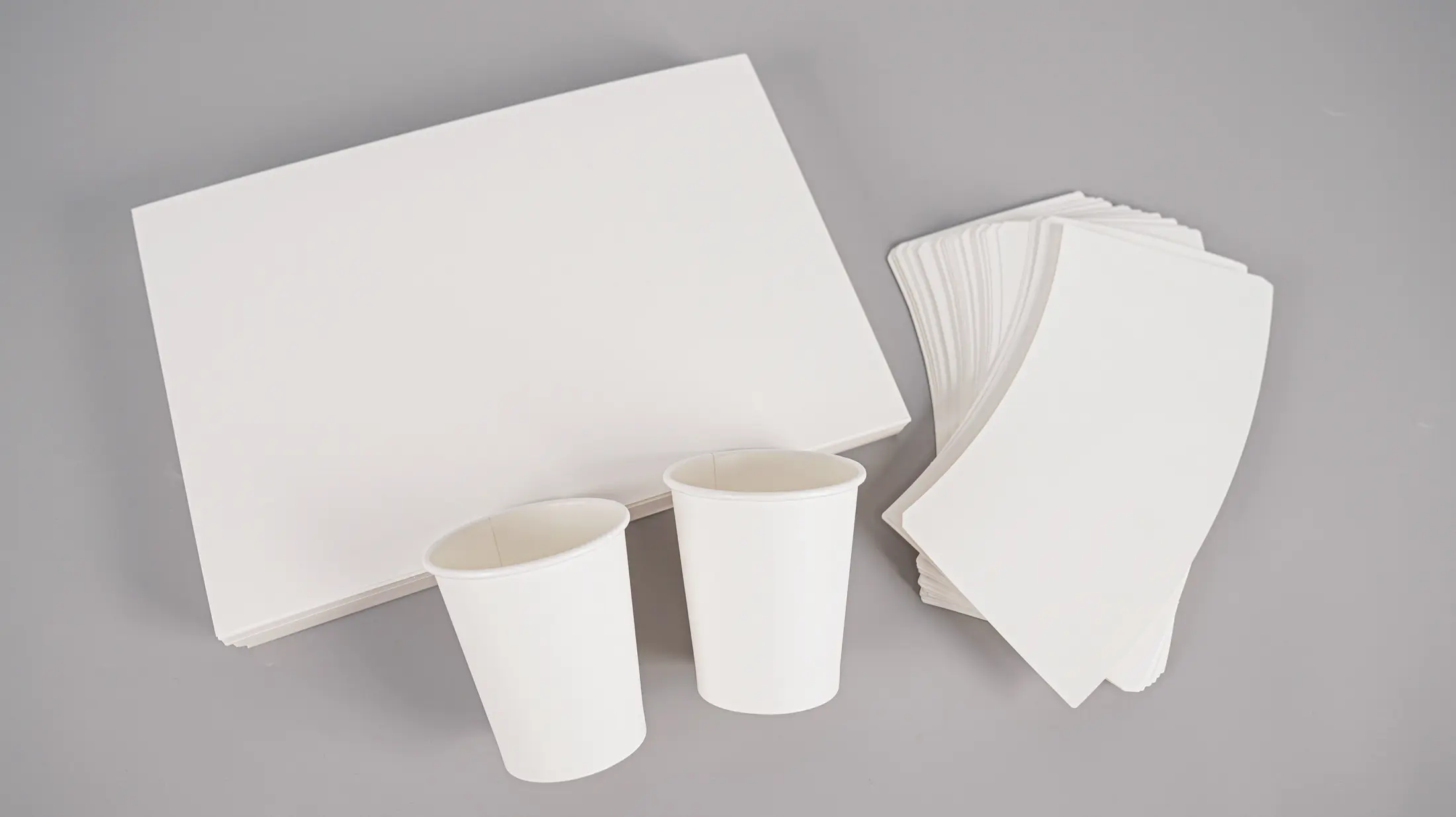
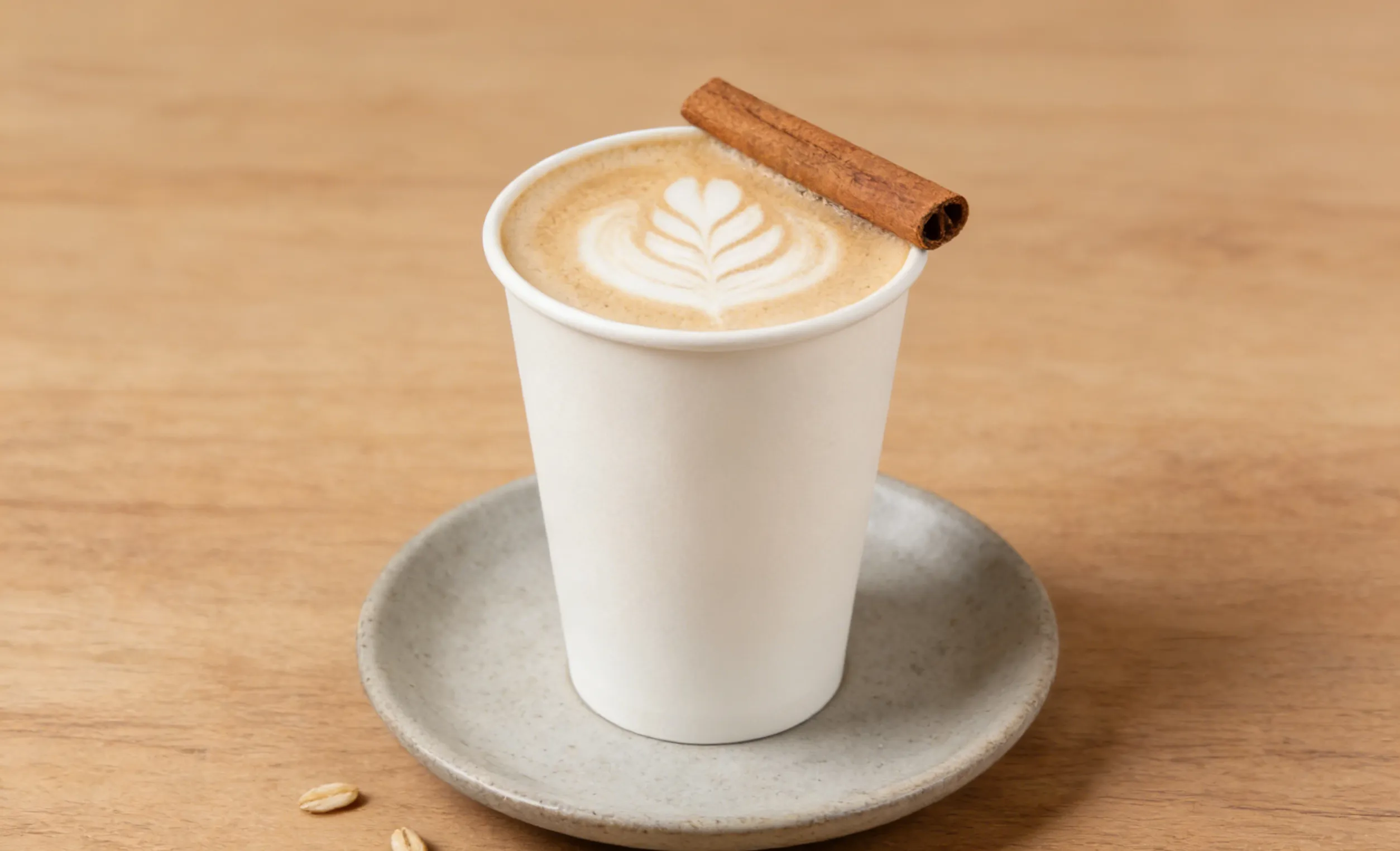
Paper cup manufacturing represents a sophisticated industrial process that transforms raw paper materials into versatile, hygienic drinking containers used worldwide. This manufacturing sector has evolved significantly over recent decades, incorporating advanced automation, precision engineering, and environmentally conscious practices. The process begins with high-quality food-grade paperboard, typically coated with polyethylene or biodegradable alternatives to ensure liquid resistance. Modern paper cup manufacturing facilities utilize specialized machinery that performs multiple operations simultaneously, including printing, die-cutting, forming, and sealing. These automated systems can produce thousands of cups per hour while maintaining consistent quality standards. The technological features of contemporary paper cup manufacturing include computer-controlled temperature regulation for optimal sealing, servo-driven precision cutting mechanisms, and automated quality inspection systems that detect defects in real-time. Paper cup manufacturing serves diverse applications across multiple industries, from quick-service restaurants and coffee shops to healthcare facilities, offices, and event venues. The versatility of this manufacturing process allows for customization in cup sizes, ranging from small espresso cups to large beverage containers, and enables businesses to incorporate branded designs, logos, and marketing messages directly onto the cup surface. Environmental considerations have become central to paper cup manufacturing, with many facilities now producing compostable and recyclable options that reduce ecological impact. The manufacturing process also accommodates various cup styles, including single-wall cups for cold beverages, double-wall insulated cups for hot drinks, and ripple-wall designs that provide enhanced grip and thermal protection. As consumer preferences shift toward sustainable packaging solutions, paper cup manufacturing continues to innovate, developing new barrier coatings derived from plant-based materials and implementing closed-loop recycling systems within production facilities.

New Products

Paper cup manufacturing offers numerous practical benefits that make it an attractive choice for businesses seeking reliable, cost-effective beverage container solutions. First and foremost, the manufacturing process enables high-volume production at competitive prices, allowing companies to meet substantial demand without compromising their budget constraints. Businesses can order cups in bulk quantities, reducing per-unit costs significantly while ensuring consistent supply for daily operations. The lightweight nature of paper cups translates to reduced shipping expenses compared to glass or ceramic alternatives, delivering additional savings throughout the supply chain. From a hygiene perspective, paper cup manufacturing produces single-use containers that eliminate cross-contamination risks, making them ideal for healthcare settings, food service establishments, and public events where sanitation is paramount. Each cup arrives sealed and ready for use, providing peace of mind to both business owners and end consumers. The customization capabilities inherent in paper cup manufacturing allow businesses to transform ordinary cups into powerful marketing tools. Companies can print their logos, promotional messages, and brand colors directly onto cups during the manufacturing process, creating mobile advertisements that reach customers wherever they enjoy their beverages. This branding opportunity extends visibility beyond traditional advertising channels without requiring additional marketing expenditure. Paper cup manufacturing also supports operational efficiency in fast-paced environments. The stackable design of manufactured cups saves valuable storage space, while their disposable nature eliminates the time and resources needed for washing, sanitizing, and maintaining reusable containers. Staff can serve customers more quickly, reducing wait times and improving overall customer satisfaction. Environmental advantages have become increasingly important as paper cup manufacturing adopts sustainable practices. Many manufacturers now source paperboard from responsibly managed forests certified by environmental organizations, ensuring renewable material supplies. The development of biodegradable and compostable coatings means businesses can offer eco-friendly options to environmentally conscious consumers without sacrificing functionality. Paper cups decompose much faster than plastic alternatives, and some manufacturers have implemented take-back programs that support recycling initiatives. Temperature resistance represents another practical advantage, as paper cup manufacturing incorporates insulation technologies that protect hands from hot beverages while keeping cold drinks refreshingly cool. Double-wall and ripple-wall designs eliminate the need for separate sleeves, streamlining service and reducing material usage. The versatility of paper cup manufacturing accommodates seasonal promotions, limited-edition designs, and special event branding with relatively short lead times, enabling businesses to respond quickly to marketing opportunities and customer preferences.

Practical Tips

Reasons to Choose Disposable Cups for Hot Drinks

02

Mar

Reasons to Choose Disposable Cups for Hot Drinks

Unmatched Convenience and Portability for Modern Hot Drink Consumption Disposable cups deliver indispensable convenience for today's fast-paced lifestyles—eliminating cleaning time and enabling immediate beverage service. Their ultra-lightwei...
View More
How to Choose Small Paper Bowls for Soup, Snacks, and Takeout (Eco-Friendly Options)

03

Mar

How to Choose Small Paper Bowls for Soup, Snacks, and Takeout (Eco-Friendly Options)

Why Small Paper Bowls Are Ideal for Portion-Controlled Food Service For food service businesses, those little paper bowls are actually pretty amazing when it comes to managing portions just right. They help reduce waste, keep costs down, and genera...
View More
Paper Coffee Cup Lids vs Plastic Lids: Key Differences Explained

13

Apr

Paper Coffee Cup Lids vs Plastic Lids: Key Differences Explained

The choice between paper coffee cup lids and plastic lids represents a critical decision for cafes, restaurants, and beverage service providers navigating the evolving landscape of sustainable packaging. As environmental regulations tighten and consu...
View More
How Paper Coffee Cup Lids Are Used in Takeaway Coffee Packaging

20

Apr

How Paper Coffee Cup Lids Are Used in Takeaway Coffee Packaging

The global shift toward sustainable packaging has transformed how businesses approach takeaway coffee service, with paper coffee cup lids emerging as a critical component in environmentally responsible beverage delivery. Understanding the practical a...
View More

Get a Free Quote

Our representative will contact you soon.
Email
Name
Mobile
Country/Region
Message
0/1000

paper cup manufacturing

Advanced Automation Technology in Production Lines

Advanced Automation Technology in Production Lines

Modern paper cup manufacturing has revolutionized through the integration of cutting-edge automation technology that dramatically improves production efficiency, consistency, and quality control. Today's manufacturing facilities deploy sophisticated machinery equipped with programmable logic controllers, servo motors, and sensor arrays that coordinate multiple production stages simultaneously. These automated systems begin by precisely feeding paperboard sheets into the production line, where computer-vision cameras inspect material quality before processing begins. The forming stations utilize precision-engineered molds heated to exact temperatures, ensuring perfect cup shape consistency across millions of units. Automated paper cup manufacturing lines incorporate ultrasonic sealing technology that bonds cup seams without adhesives, creating stronger, more reliable containers while reducing chemical usage. The printing components of these systems employ flexographic or offset printing techniques controlled by digital interfaces, allowing for vibrant, multi-color designs with registration accuracy measured in micrometers. Quality assurance sensors positioned throughout the manufacturing line continuously monitor critical parameters including wall thickness, seam integrity, rim smoothness, and dimensional accuracy, automatically rejecting defective units before they reach packaging stages. This technological sophistication in paper cup manufacturing reduces human error, minimizes material waste, and ensures that every cup meets stringent food safety standards. The automation extends to packaging operations, where robotic systems count, stack, and sleeve cups with remarkable speed and precision. Advanced paper cup manufacturing facilities can switch between different cup sizes and designs with minimal downtime, thanks to quick-change tooling systems and digital recipe management. Environmental sensors within manufacturing equipment monitor energy consumption and optimize operational parameters to reduce electricity usage and carbon footprint. Predictive maintenance algorithms analyze machine performance data, identifying potential issues before breakdowns occur, thereby maximizing uptime and production reliability. The integration of Industry 4.0 principles into paper cup manufacturing enables real-time production monitoring, allowing operators to track output rates, efficiency metrics, and quality statistics through intuitive dashboards. This technological advancement makes paper cup manufacturing more responsive to customer demands, capable of handling custom orders with shorter lead times while maintaining competitive pricing structures that benefit businesses of all sizes.
Sustainable Materials and Eco-Friendly Manufacturing Processes

Sustainable Materials and Eco-Friendly Manufacturing Processes

Environmental responsibility has become a cornerstone of modern paper cup manufacturing, driving innovation in sustainable materials and production methods that significantly reduce ecological impact. Contemporary manufacturers prioritize sourcing paperboard from forests certified by the Forest Stewardship Council and similar organizations, ensuring that raw materials come from responsibly managed woodlands where trees are replanted and biodiversity is protected. This commitment to sustainable sourcing means that paper cup manufacturing supports forest regeneration rather than depletion. The development of bio-based barrier coatings represents a major breakthrough in paper cup manufacturing, replacing traditional petroleum-based polyethylene with plant-derived alternatives such as polylactic acid derived from corn starch or sugarcane. These innovative coatings maintain excellent moisture resistance while being industrially compostable under proper conditions, allowing used cups to break down into organic matter within months rather than persisting in landfills for decades. Progressive paper cup manufacturing facilities have implemented closed-loop water recycling systems that capture, filter, and reuse process water, dramatically reducing freshwater consumption and wastewater discharge. Energy efficiency initiatives within paper cup manufacturing include installing LED lighting, recovering waste heat from machinery for facility heating, and incorporating solar panels to offset electricity consumption from conventional grid sources. Some manufacturers have achieved carbon-neutral production by combining renewable energy usage with verified carbon offset programs. The paper cup manufacturing industry has also embraced circular economy principles by developing cups designed for recyclability, working with municipalities to improve collection infrastructure, and educating consumers about proper disposal methods. Manufacturers now offer take-back programs where businesses can return used cups for processing into new paper products, creating genuine material loops. Life cycle assessments of paper cup manufacturing reveal significantly lower carbon footprints compared to plastic cup production, particularly when renewable energy powers facilities. The shift toward water-based inks in printing processes eliminates volatile organic compounds that contribute to air pollution, making paper cup manufacturing facilities safer for workers and neighboring communities. Biodegradability testing conducted by responsible manufacturers ensures that their products decompose properly in various environmental conditions, providing transparent information to customers making sustainability-driven purchasing decisions. By prioritizing environmental stewardship, paper cup manufacturing demonstrates that commercial success and ecological responsibility can coexist productively.
Customization Capabilities and Brand Enhancement Opportunities

Customization Capabilities and Brand Enhancement Opportunities

Paper cup manufacturing offers unparalleled customization possibilities that transform functional beverage containers into powerful brand-building tools, providing businesses with creative opportunities to strengthen customer connections and market presence. The manufacturing process accommodates extensive design flexibility, allowing companies to select from numerous cup sizes, shapes, and structural configurations that align with their specific beverage offerings and brand identity. Small specialty coffee shops can order compact espresso cups with elegant minimalist designs, while large entertainment venues can commission oversized containers featuring bold graphics that capture attention across crowded spaces. The printing capabilities within paper cup manufacturing enable full-color photographic reproduction, gradient effects, and intricate patterns that were impossible with earlier technologies. Businesses can incorporate their logos, taglines, social media handles, and promotional messages directly into cup designs, creating mobile marketing platforms that travel with customers throughout their day. This visibility extends brand reach far beyond physical business locations, as customers carry branded cups through offices, parks, public transportation, and social gatherings, generating thousands of impressions at minimal cost per exposure. Paper cup manufacturing supports seasonal marketing campaigns through limited-edition designs that create urgency and collectibility, encouraging repeat purchases from customers wanting complete series. Holiday-themed cups, anniversary commemorations, and collaborative designs with artists or influencers become feasible with the flexible production capabilities of modern manufacturing facilities. The ability to order smaller quantities for special promotions means businesses can test new designs and respond to customer feedback without committing to massive inventory investments. Texture variations available in paper cup manufacturing add tactile dimensions to branding, with options including matte finishes that convey sophistication, glossy coatings that enhance color vibrancy, and embossed patterns that create distinctive touch experiences. Some manufacturers offer spot UV coating that highlights specific design elements, creating visual contrast that draws attention to key branding components. The customization extends beyond aesthetics to functional features, as paper cup manufacturing can incorporate measurement markings for portion control, temperature-sensitive inks that change color with heat, and QR codes that link to digital content, loyalty programs, or customer feedback platforms. This integration of physical and digital touchpoints transforms paper cups into interactive marketing vehicles that drive customer engagement beyond the initial transaction. Businesses leveraging these customization capabilities in paper cup manufacturing create memorable brand experiences that differentiate them from competitors using generic containers, building customer loyalty through consistent quality and thoughtful design that reflects brand values and customer preferences.