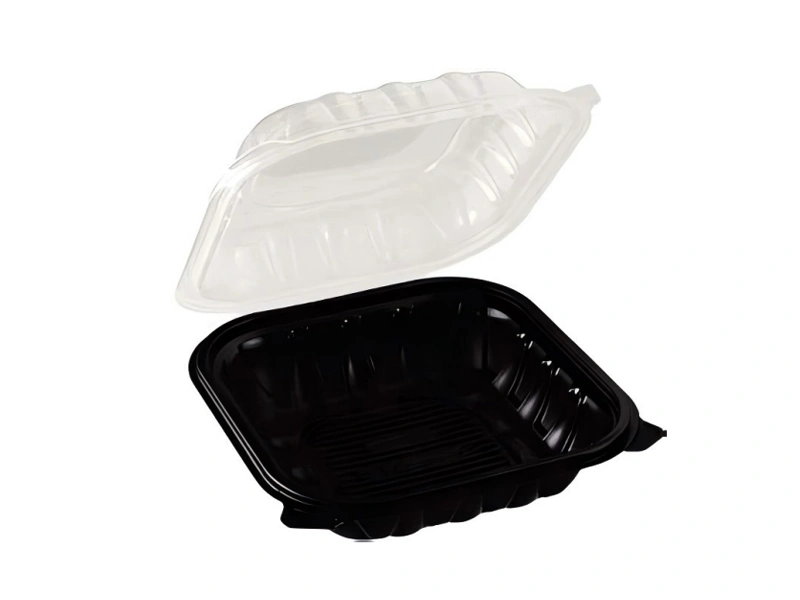
Cost-Effective Efficiency Across Manufacturing, Distribution, and Retail Operations
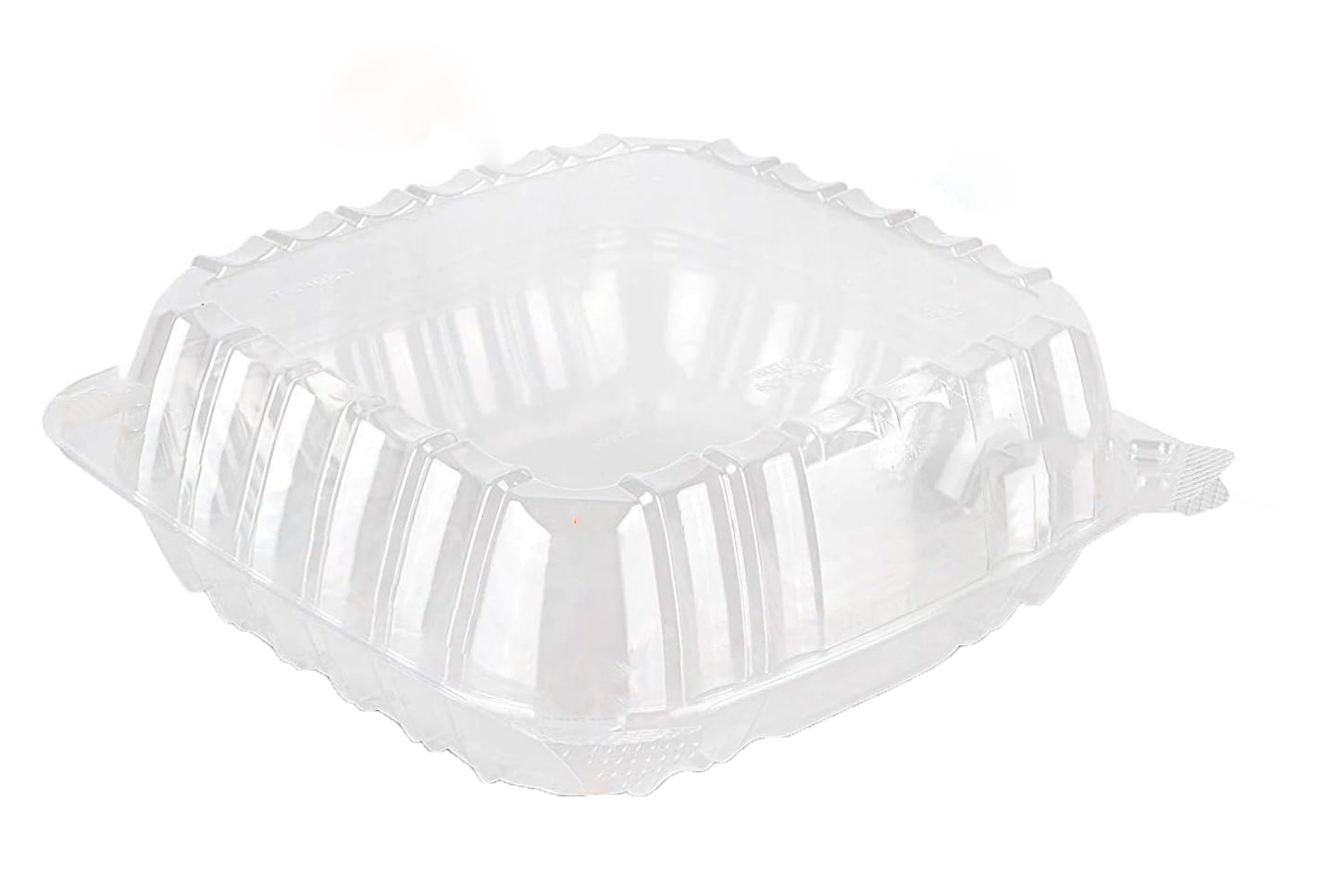
Small clamshell packaging delivers measurable operational efficiencies and cost savings throughout the entire product lifecycle, from initial manufacturing through distribution networks to final retail presentation. The thermoforming production process achieves remarkable consistency and speed, creating thousands of identical packages per hour with minimal material waste and low per-unit costs. Automated manufacturing systems ensure precise dimensions that facilitate downstream packaging operations, whether hand assembly or robotic automation, reducing labor requirements and improving throughput in packaging facilities. The lightweight construction of small clamshell packaging significantly reduces shipping expenses compared to heavier alternatives like rigid boxes or metal tins, particularly important as fuel costs and dimensional weight pricing impact transportation budgets. The compact, stackable design maximizes cargo space utilization in trucks and containers, allowing more products per shipment and reducing the carbon footprint associated with distribution activities. Warehouse operations benefit from the uniform dimensions that enable efficient storage configurations, simplified inventory management, and quick location identification during order fulfillment processes. The durability of small clamshell packaging reduces product damage during handling and transit, directly preventing costly losses from broken, scratched, or malfunctioning merchandise that cannot be sold. Retailers appreciate how these packages streamline shelf management through consistent sizing that fits standard peg hooks, display racks, or shelf configurations without requiring custom fixtures. The packages remain stable when stacked, creating neat, professional presentations that enhance category appeal and simplify restocking during peak shopping periods. Store personnel can quickly scan barcodes and verify product information without removing items from packages, accelerating checkout processes and inventory audits. Small clamshell packaging also reduces customer service demands because the transparency answers most product questions visually, freeing staff to focus on complex inquiries or value-added services. The packages protect against environmental damage that could render products unsellable, preserving inventory value from manufacturing through final sale. Recycled content options and recyclability features address sustainability requirements without sacrificing protective functions, helping companies meet environmental goals and appeal to eco-conscious consumers. The ability to customize packages through printed inserts rather than expensive mold changes provides marketing flexibility while controlling costs, enabling seasonal variations, regional adaptations, or promotional campaigns without major capital investments. Quality control becomes more efficient because inspectors can verify product condition, assembly accuracy, and component inclusion without breaking seals that would render packages unsellable. Small clamshell packaging reduces overall packaging material consumption compared to systems requiring inner boxes, outer cartons, protective foam, and multiple printed components, simplifying waste management and recycling programs. The operational advantages accumulate across touchpoints, creating comprehensive cost savings that improve profit margins while simultaneously enhancing product protection, presentation quality, and customer satisfaction throughout the value chain.