গঠনমূলক কার্যকারিতা এবং উৎপাদন দক্ষতা
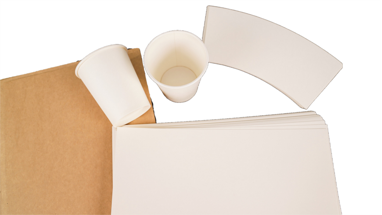
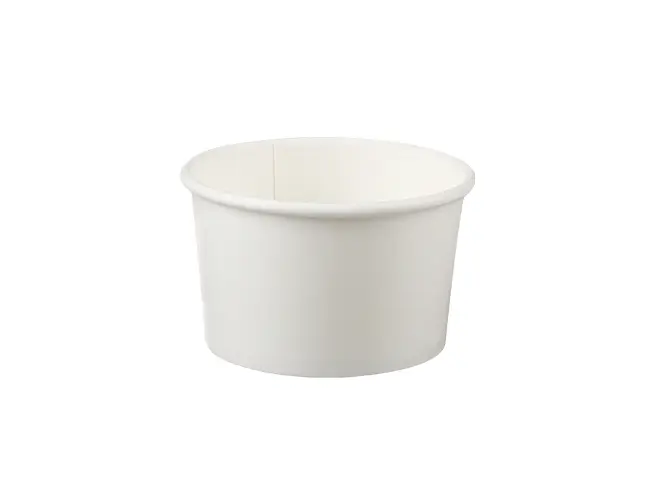
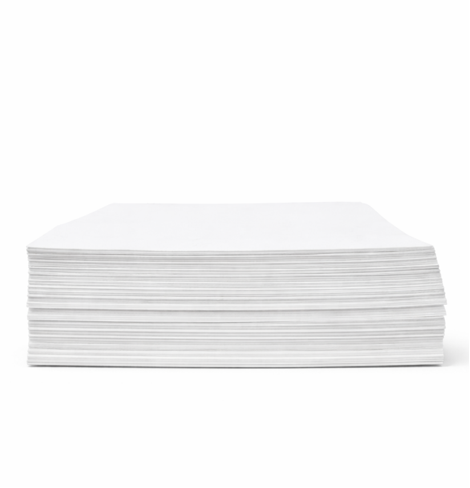
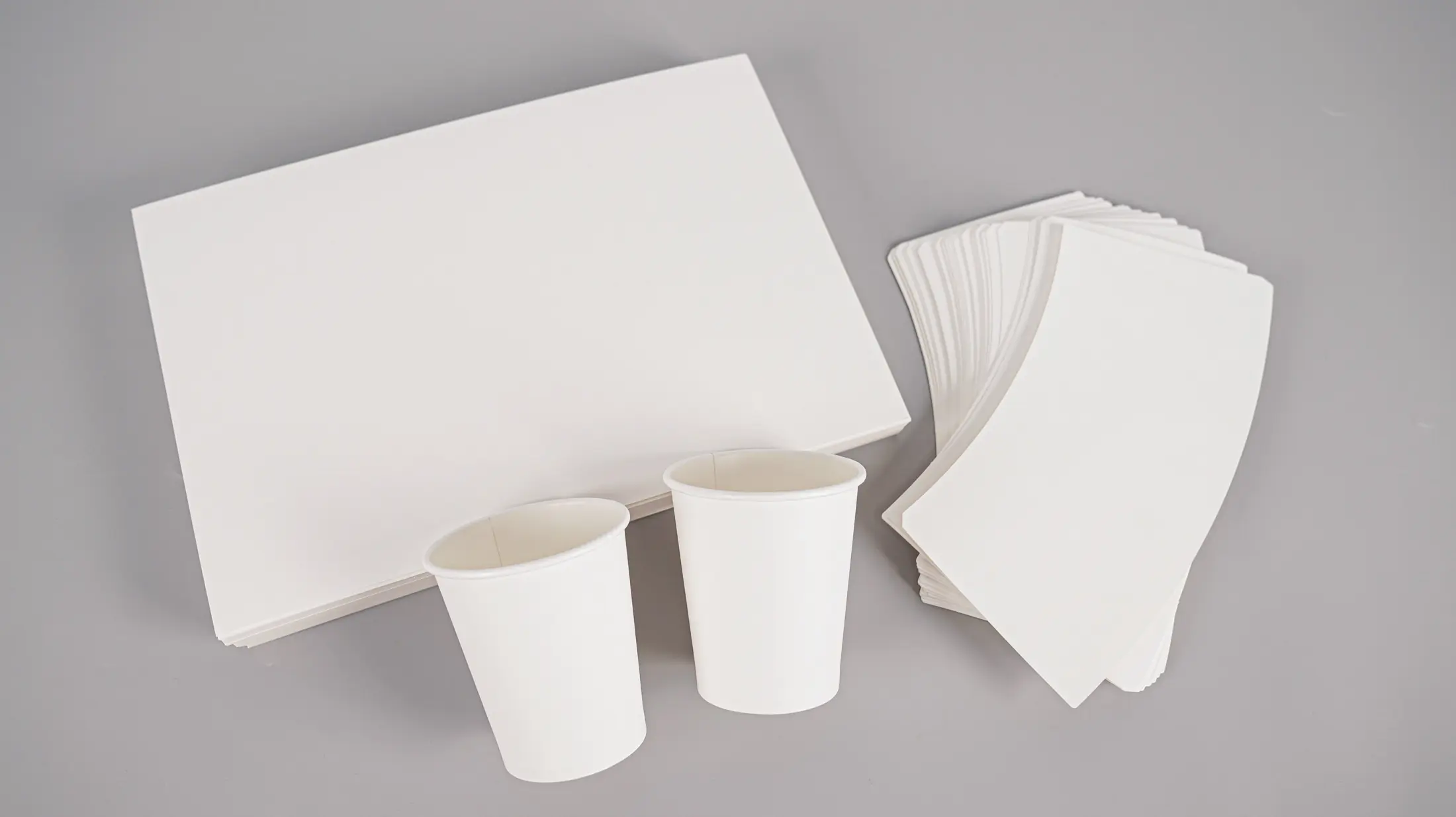
কাপস্টক কাগজের গঠনগত বৈশিষ্ট্য এবং উৎপাদন-সামঞ্জস্যতা এটির উচ্চ-গতির শিল্প উৎপাদন পরিবেশে কার্যকারিতা মৌলিকভাবে নির্ধারণ করে। উপাদানটির যান্ত্রিক বৈশিষ্ট্য—যেমন দৃঢ়তা, আঁটোশ শক্তি এবং মাত্রাগত স্থিতিশীলতা—নিশ্চিত করে যে সমতল কাগজবোর্ড শীটগুলি স্বয়ংক্রিয় গঠন প্রক্রিয়ার মাধ্যমে নির্ভরযোগ্যভাবে কঠিন ত্রিমাত্রিক কাপ গঠনে রূপান্তরিত হয়। ভিত্তি-ওজন নির্বাচন গঠনগত কার্যকারিতাকে প্রভাবিত করে, যেখানে ভারী গ্রেডগুলি বৃহত্তর কাপের আকারের জন্য অধিক দৃঢ়তা প্রদান করে, অন্যদিকে হালকা ওজনের গ্রেডগুলি ছোট ধারকগুলির জন্য উপাদান খরচ কমায়। তন্তু গঠন এবং পরিশোধন প্রক্রিয়াগুলি অভ্যন্তরীণ আবদ্ধতা শক্তিকে প্রভাবিত করে, যা ডাই-কাটিং, ক্রিজিং এবং গঠন অপারেশনগুলির সময় বিভাজন (ডিল্যামিনেশন) প্রতিরোধ করে—যেসব প্রক্রিয়ায় উপাদানটি উল্লেখযোগ্য যান্ত্রিক চাপের সম্মুখীন হয়। উৎপাদন ও সংরক্ষণের সময় আর্দ্রতা ব্যবস্থাপনা উপাদানের অপ্টিমাল বৈশিষ্ট্য বজায় রাখে, কারণ অত্যধিক আর্দ্রতা দৃঢ়তা হ্রাস করতে পারে, আবার অপর্যাপ্ত আর্দ্রতা ভঙ্গুরতা ও ফাটলের ঝুঁকি বৃদ্ধি করে। কাপস্টক কাগজের সক্ষমতা নির্দিষ্ট ক্রিজ ও ভাঁজ গ্রহণ করার—যাতে তন্তু বিচ্ছিন্ন না হয়—কাপ গঠনের নির্ভুলতা নিশ্চিত করে, যেখানে পার্শ্ব দেয়ালগুলি নির্দিষ্ট কোণে বাঁকতে হয় এবং তলদেশের অংশগুলি সমতল জ্যামিতি বজায় রাখে। উৎপাদন দক্ষতা নির্ভর করে সামঞ্জস্যপূর্ণ উপাদান বৈশিষ্ট্যের উপর, যা রূপান্তর সরঞ্জামগুলিকে ডিজাইন গতিতে চালানোর অনুমতি দেয় এবং উপাদানের পরিবর্তনশীলতা জনিত ঘনঘন সামঞ্জস্য বা উৎপাদন বাধার প্রয়োজন হ্রাস করে। কাপস্টক কাগজের অলট্রাসনিক ও তাপ সিলিং প্রক্রিয়ার সাথে সামঞ্জস্যতা নির্ভরযোগ্য সিম বন্ধন নিশ্চিত করে, যা কাপের পার্শ্ব দেয়ালগুলি ওভারল্যাপ হয়ে তলদেশের সাথে যুক্ত হওয়ার সময় লিক-প্রুফ জয়েন্ট তৈরি করে। গুণগত নিয়ন্ত্রণ ব্যবস্থা ক্যালিপার সমরূপতা, কার্ল প্রবণতা এবং প্রান্ত গুণগত মানের মতো সমালোচনামূলক পরামিতিগুলি পর্যবেক্ষণ করে, যা উচ্চ-গতির রূপান্তর যন্ত্রপাতির মাধ্যমে ফিডিংয়ের নির্ভরযোগ্যতাকে প্রভাবিত করে। কাপস্টক কাগজের মাত্রাগত স্থিতিশীলতা প্রক্রিয়াকরণ ও সংরক্ষণের সময় অবাঞ্ছিত প্রসারণ বা সংকোচন প্রতিরোধ করে, যা ঢাকনা, স্লিভ এবং বিতরণ সরঞ্জামের সাথে সঠিক ফিটিং নিশ্চিত করে। উৎপাদন কার্যক্রমে বর্জ্য হ্রাস ঘটে উপাদানের বৈশিষ্ট্যের ফলে, যা ডাই-কাটিংয়ের সময় ট্রিম ক্ষতি কমায় এবং কাঁচা কাগজবোর্ড শীট থেকে উৎপাদন দক্ষতা সর্বাধিক করে। সমাপ্ত কাপগুলির স্ট্যাকযোগ্যতা নির্ভর করে গঠনগত দৃঢ়তার উপর, যা কাপগুলিকে প্যাকেজিং ও পরিবহনের জন্য উল্লম্বভাবে স্ট্যাক করার সময় নেস্টিং ও বিকৃতির বিরুদ্ধে প্রতিরোধ করে। রূপান্তরের পূর্বে সমতল কাপস্টক কাগজ শীটগুলির সংকুচিত স্ট্যাকিং পরিবহন দক্ষতা বৃদ্ধি করে, যা পূর্ব-গঠিত কাপ পাঠানোর তুলনায় পরিবহন খরচ কমায়। বিভিন্ন কাপ ডিজাইন ও আকারের সাথে কাপস্টক কাগজের সামঞ্জস্যতা পণ্য লাইন বৈচিত্র্যকরণকে সমর্থন করে, যাতে প্রতিটি অ্যাপ্লিকেশনের জন্য সম্পূর্ণ ভিন্ন উপাদান বিশেষকরণের প্রয়োজন হয় না। উৎপাদন নমনীয়তা বিভিন্ন কাপ কনফিগারেশনের মধ্যে দ্রুত পরিবর্তন সম্ভব করে, যা ইনভেন্টরি ধারণ খরচ হ্রাস করে এমন জাস্ট-ইন-টাইম উৎপাদন কৌশলকে সমর্থন করে। প্রতিষ্ঠিত সরবরাহ নেটওয়ার্কের মাধ্যমে কাপস্টক কাগজের বৈশ্বিক উপলব্ধতা বিভিন্ন ভৌগোলিক বাজার ও মৌসুমি চাহিদা পরিবর্তনের মধ্যে নির্ভরযোগ্য উপাদান প্রবেশের উপর নির্ভরশীল অপারেশনগুলির ব্যবসায়িক অব্যাহতি নিশ্চিত করে।