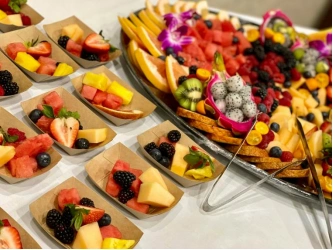
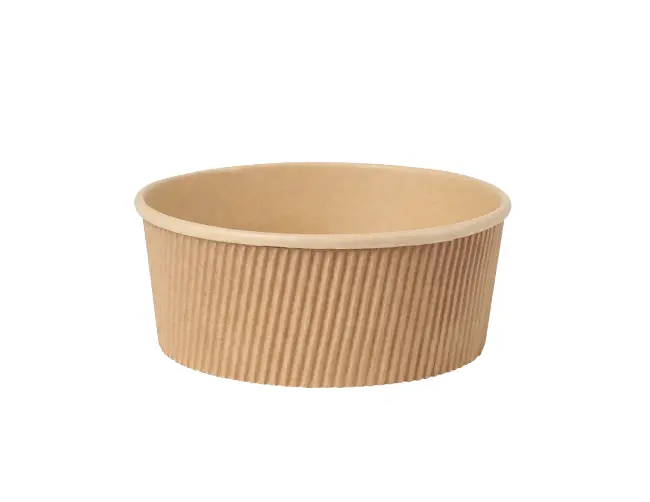
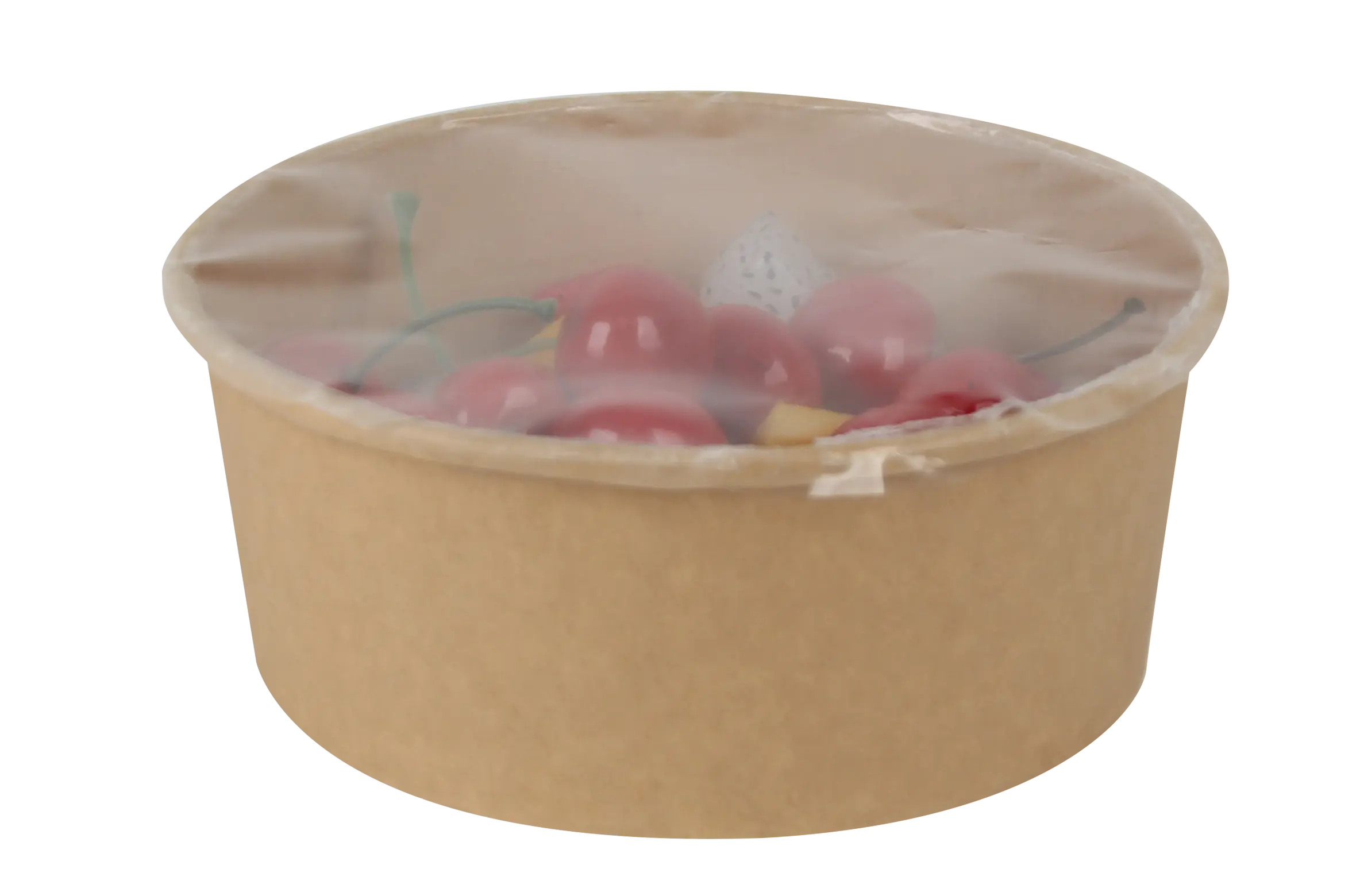
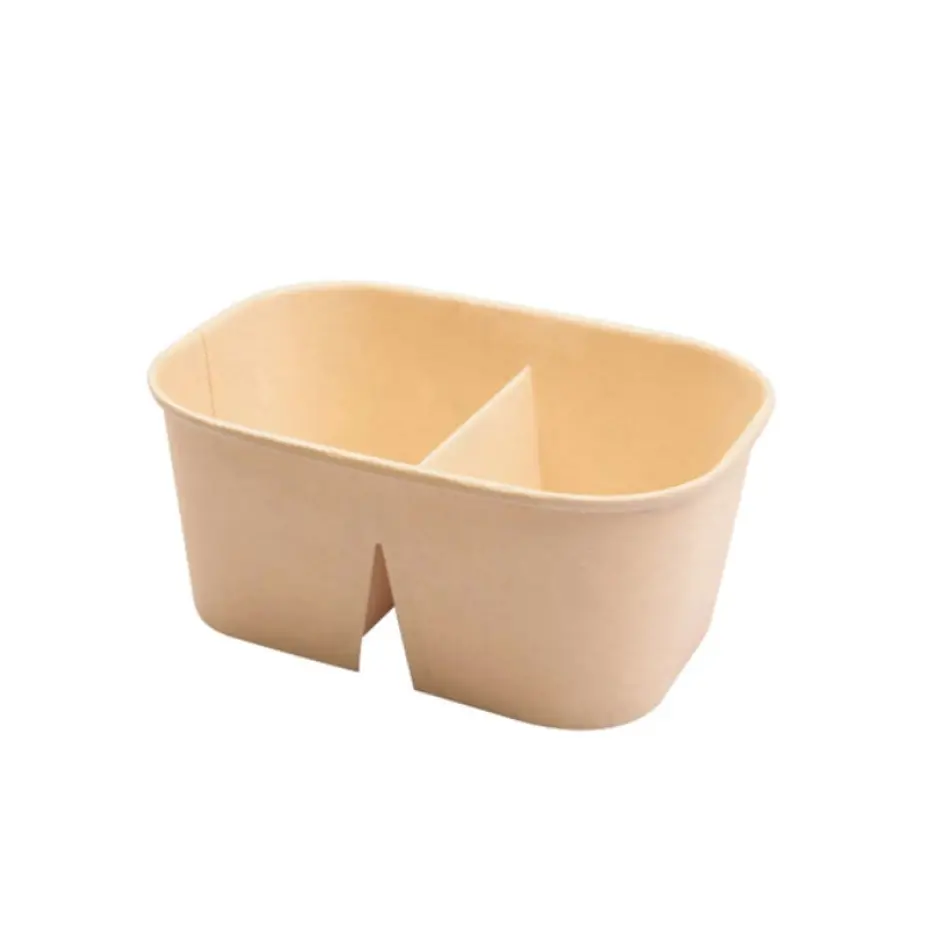
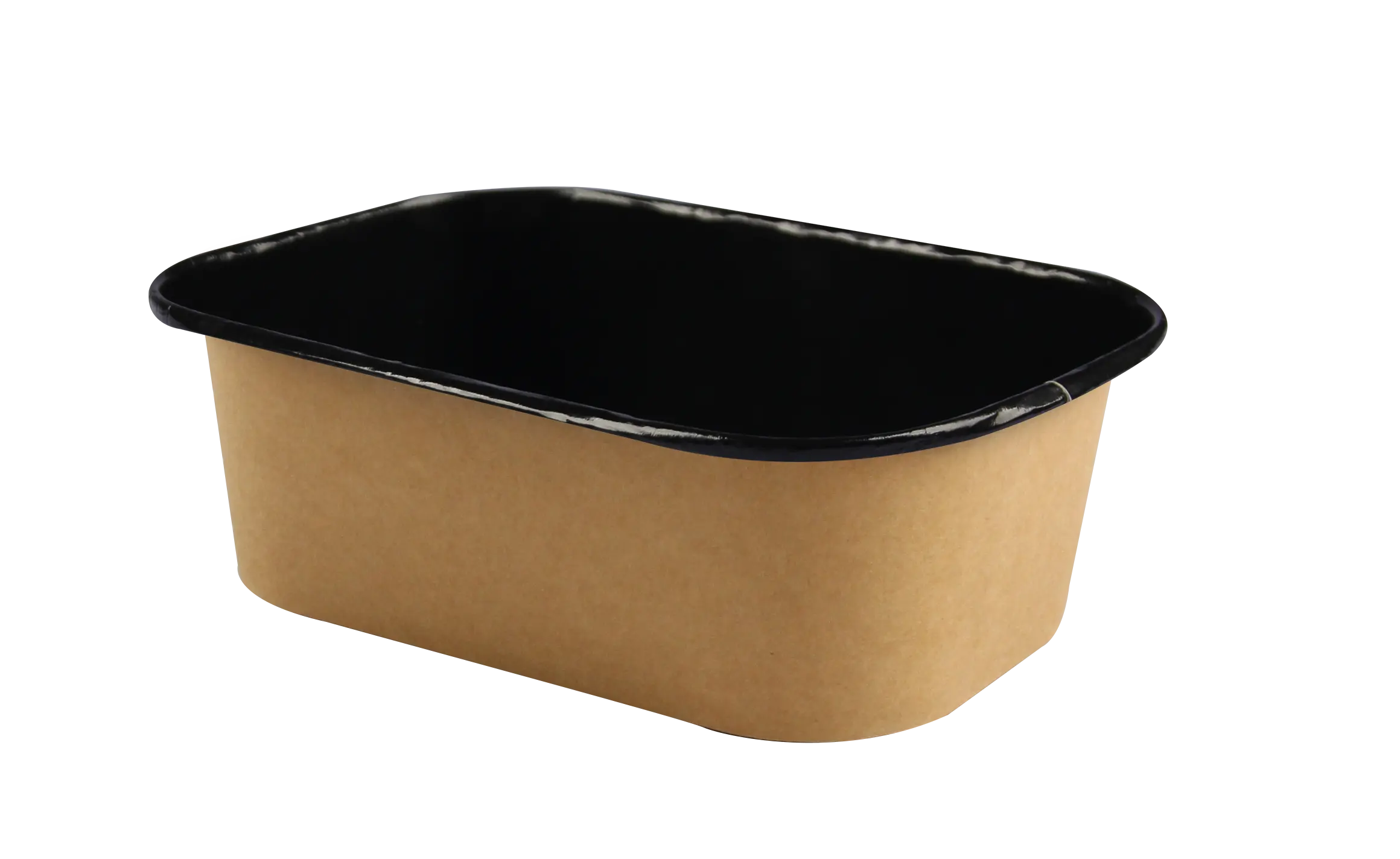
The 20-ounce paper bowl is far from a disposable container. Its design masterfully balances capacity and practicality, making it the “golden size” in food service. It effortlessly holds mainstream meals like soups, salads, grain bowls, and noodles, while also serving snacks and desserts at large events. This versatility makes it an ideal choice for streamlining inventory management, helping restaurants and catering suppliers cover diverse menu needs with a single standard item.
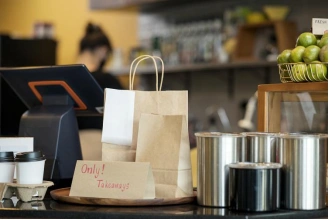
Operationally, bulk-purchased 20-ounce paper bowls serve as a key tool for cost control and efficiency enhancement. They eliminate the water, electricity, and labor required to wash traditional tableware, making them particularly suited for high-turnover scenarios like takeout, delivery, food trucks, and large banquets. This provides indispensable support for modern food service business models. Simultaneously, as environmental regulations evolve and consumer preferences shift, 20-ounce paper bowls made from renewable materials or compostable processes have become a vital means for businesses to fulfill sustainability commitments, meet market expectations, and elevate brand image.
Functionally designed, modern 20-ounce paper bowls ensure food integrity and safety during transport through leak-proof coatings, reinforced walls, and heat-resistant features, directly elevating end-consumer dining experiences and satisfaction. Furthermore, they serve as a vital link in the food supply chain, functioning as safe, reliable, and brandable containers for pre-made meals, salads, fresh produce, and food retail packaging. A sturdy, professionally designed paper bowl inherently extends brand identity, conveying the company's commitment to quality with every use and subtly reinforcing brand value.
In summary, the 20-ounce paper bowl represents a comprehensive solution integrating practical functionality, operational efficiency, environmental sustainability, and brand strategy. Its selection and implementation directly impact the quality, cost, and sustainable competitiveness of food service operations.