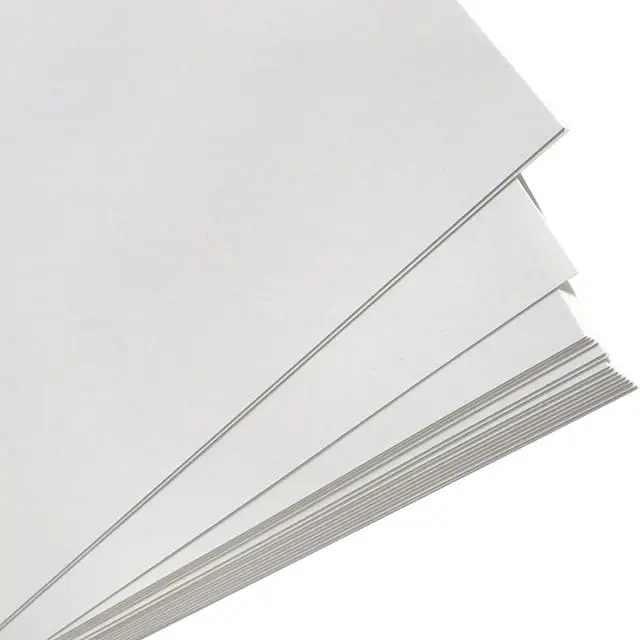
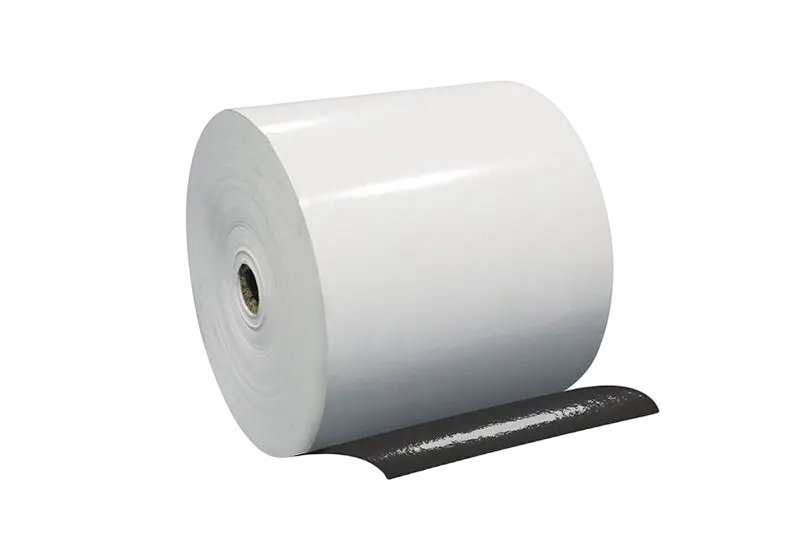
Coated kraft paper boasts an exceptional combination of properties—building upon the inherent strength and sustainability of virgin kraft paper while adding water resistance, oil resistance, abrasion resistance, and excellent printability—making it highly versatile and applicable across numerous sectors, from traditional packaging to modern innovations.
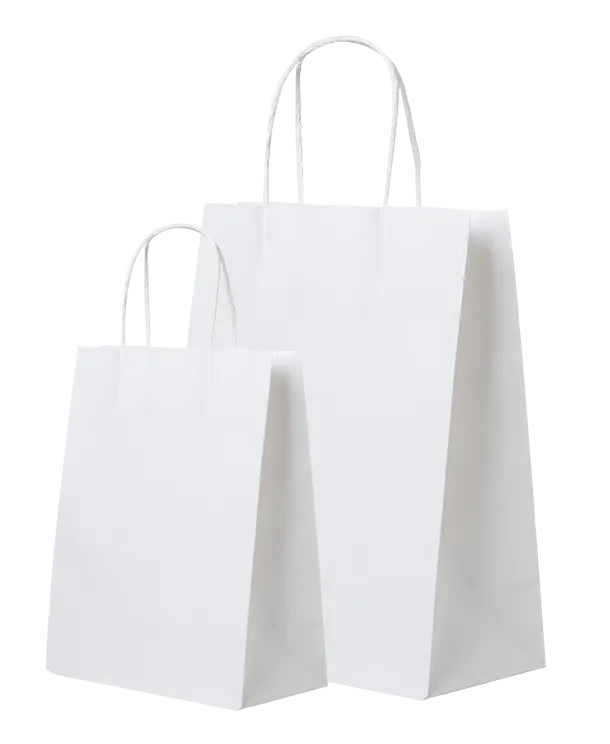
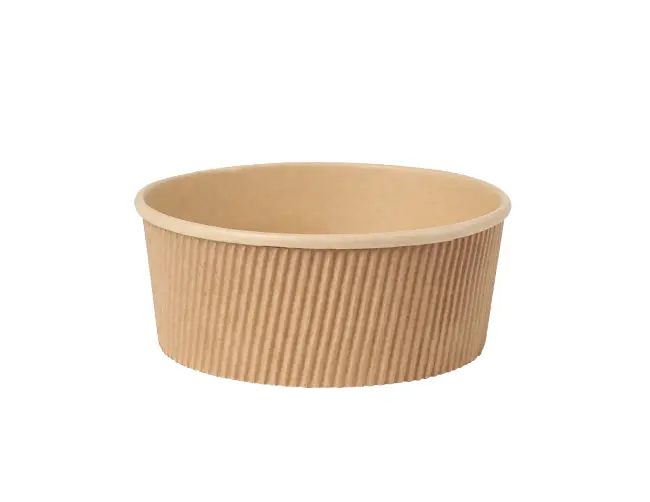
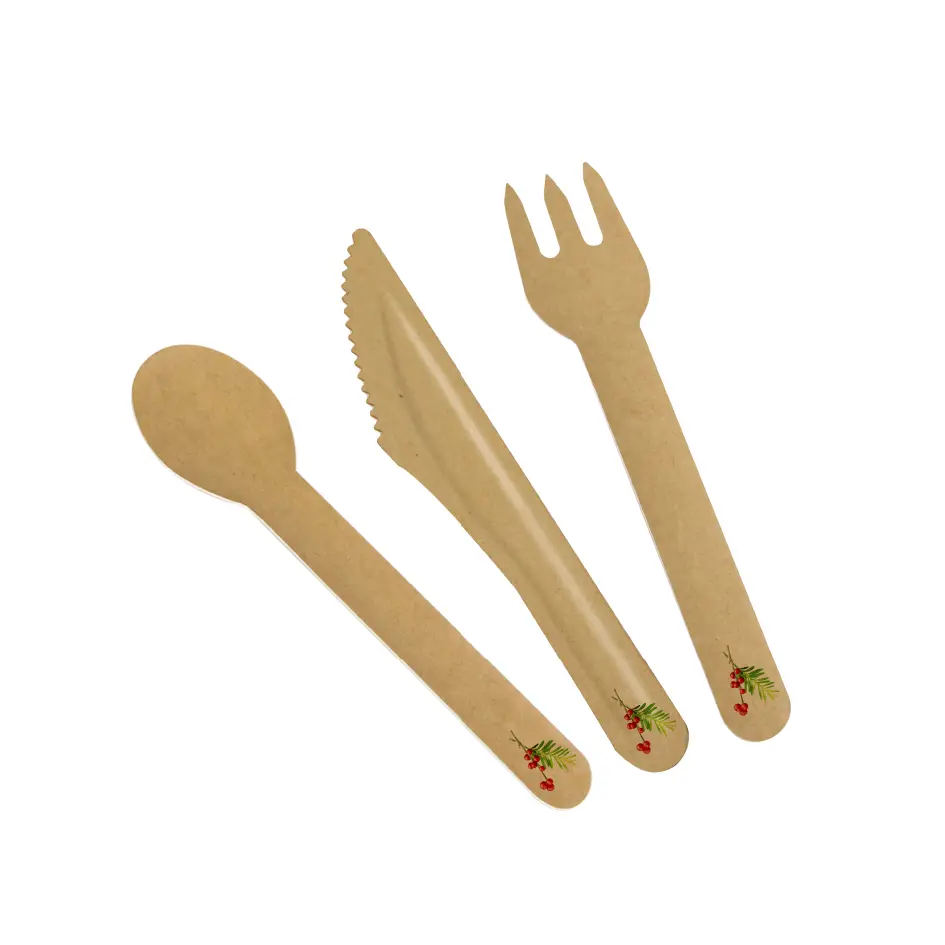
In the food and beverage packaging sector, it serves as an ideal material for direct contact with greasy foods like burgers, pastries, and baked goods. It also proves a reliable choice for secondary packaging such as takeout bags, frozen food wrappers, dry food pouches, cup sleeves, and tray liners. While meeting stringent safety and hygiene standards, it offers a natural texture superior to conventional plastics. In retail and e-commerce, coated kraft paper excels as a material for premium shopping bags, branded eco-friendly wrapping paper, and lightweight protective mailing bags. It not only enhances brand identity and unboxing experiences through exceptional printability but also directly communicates corporate sustainability values through its recyclable and biodegradable properties.
For industrial and protective packaging, it serves as a cost-effective, eco-friendly alternative widely used for cushioning precision metal components, wrapping polished furniture surfaces, reinforcing mailer liners, or crafting industrial bags requiring extra durability. In printing and creative applications, its outstanding printability and distinctive rugged texture make it the preferred substrate for premium book covers, art posters, hangtags, and durable decorative elements in floral arrangements and event displays.
Furthermore, its applications are expanding into emerging niche markets. In sustainable construction and design, it serves as temporary floor protection film, wall material backing, or eco-friendly drawer liner paper. In agriculture and horticulture, it serves as seedling growing bags and packaging for farmers' markets. Overall, coated kraft paper delivers environmental responsibility without compromising functional protection or brand expression. This makes it a strategic material for future needs across food service, retail, manufacturing, and creative industries, with continuously growing market potential.