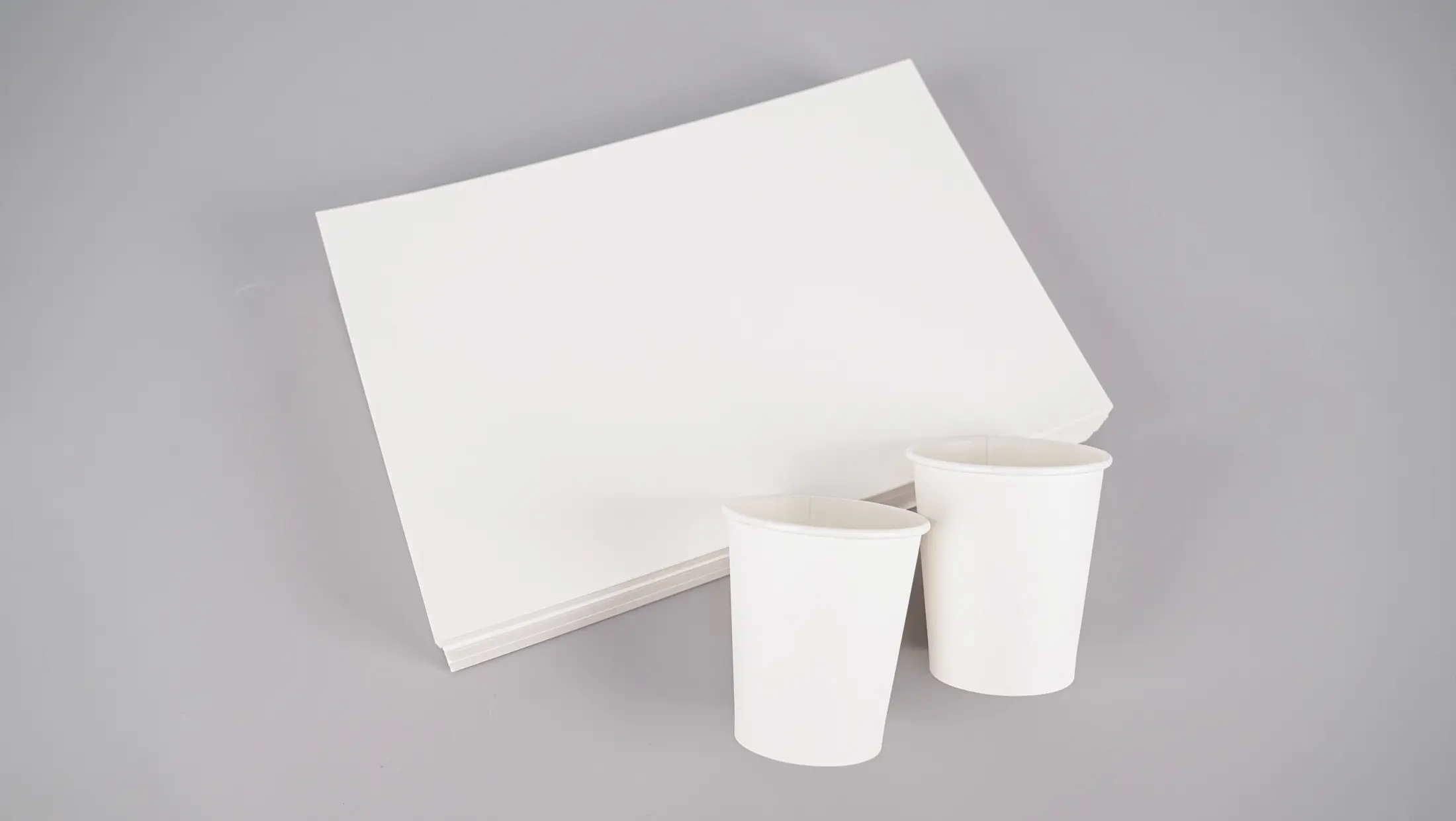
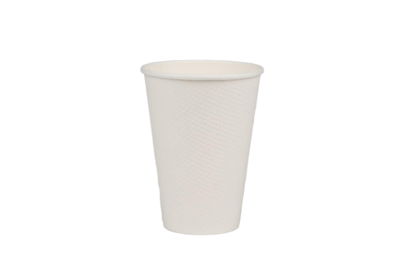
PE-coated paper cups have become versatile staples in modern commerce and daily life, boasting exceptional leak resistance, heat retention, and adaptability, with vast application prospects.
In the food and beverage industry, PE-coated paper cups are the undisputed core consumable. Whether holding hot lattes in cafes, iced smoothies at milk tea shops, or soups at fast-food outlets, their polyethylene inner coating effectively seals liquids, ensuring the cups remain leak-proof and maintain their shape. This makes them perfectly suited for both hot and cold beverages, providing reliable takeout solutions.
In corporate and institutional settings, their value lies in large-scale service and hygiene management. From office break rooms and corporate conferences to school cafeterias and hospital dining halls, PE-coated paper cups meet bulk beverage supply demands with their disposable, hygienic, and convenient nature, making them the standard choice for modern institutional logistics.
For events and social gatherings—including weddings, exhibitions, music festivals, and family reunions—PE-coated paper cups offer an economical, presentable, and practical solution. Their lightweight, anti-condensation properties make them ideal for outdoor use, while the cup surface serves as an excellent advertising space. Custom printing enhances brand visibility or complements event themes.
In retail settings, PE-coated paper cups enter supermarkets in family-sized packs, serving as a convenient choice for family picnics, gatherings, or daily use. Additionally, they frequently appear as packaging components for ready-to-eat products (like cup noodles or cereal) or as promotional giveaways for brand marketing.
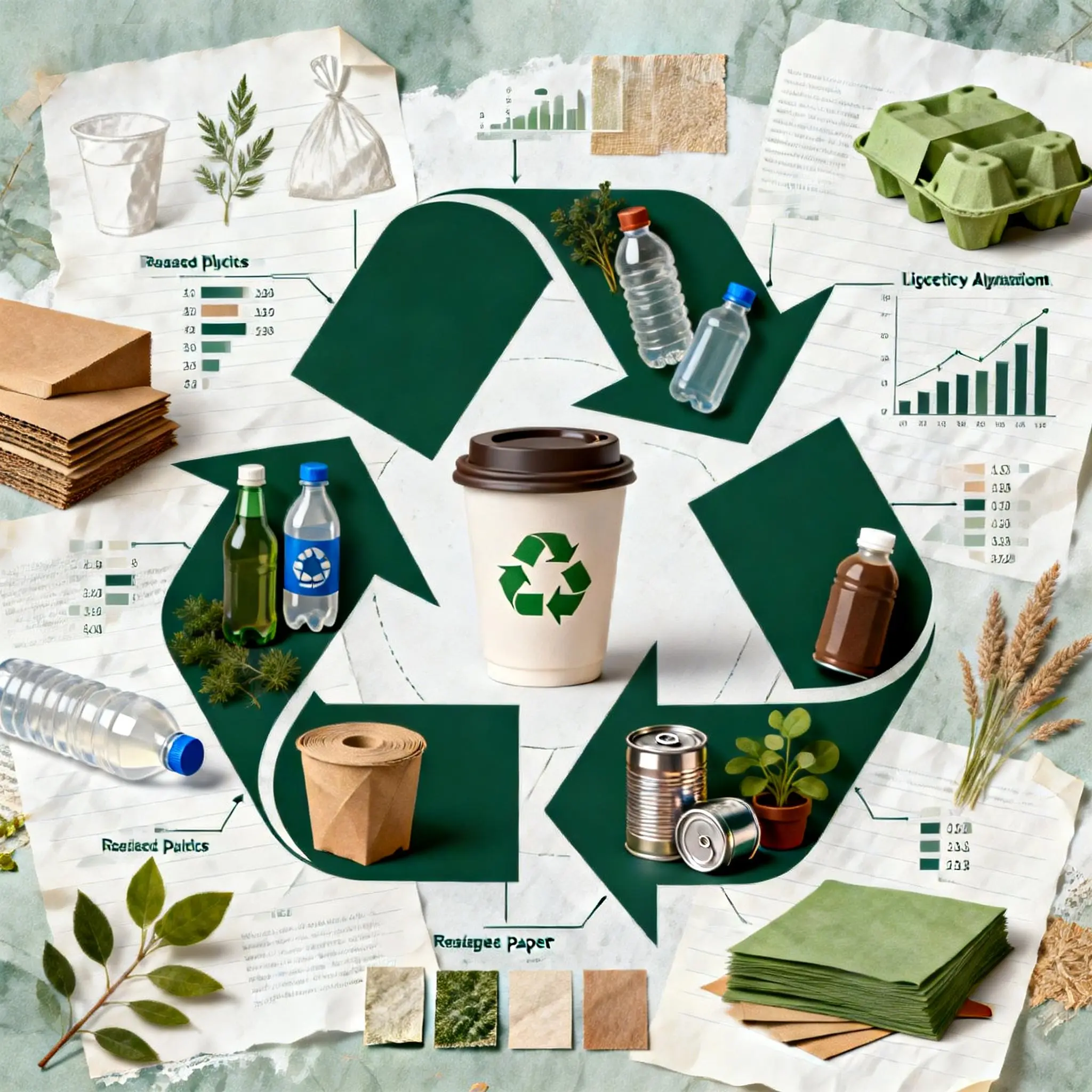
Looking toward emerging markets, PE-coated paper cups also play a significant role in sustainability. Serving as a base material, they can be combined with biodegradable PLA coatings, offering a transitional solution for environmentally conscious businesses and consumers. Their broad applicability and printability as a “blank canvas” enable continuous integration into new consumption scenarios, solidifying their position as a cornerstone of modern disposable packaging.