PET-Coated Paper: Pioneering a New Chapter in Packaging and Printing Materials
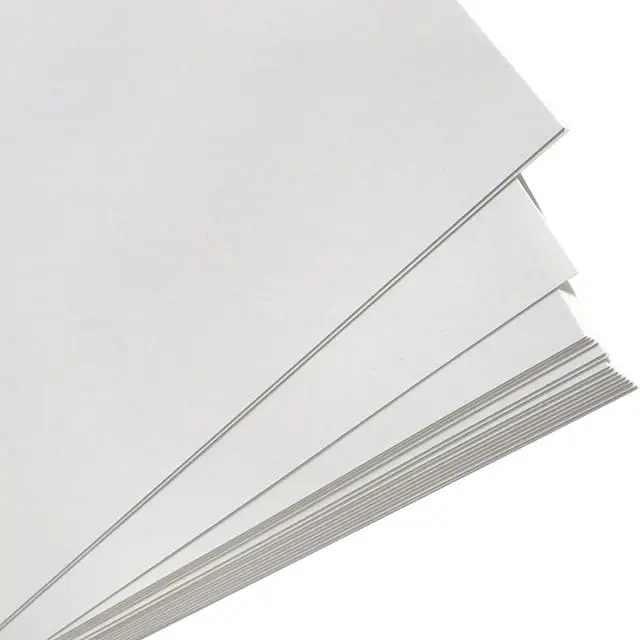
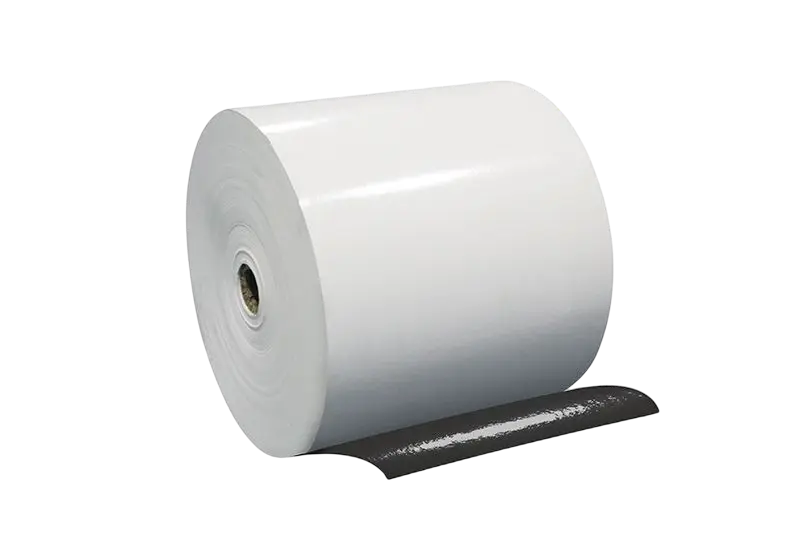
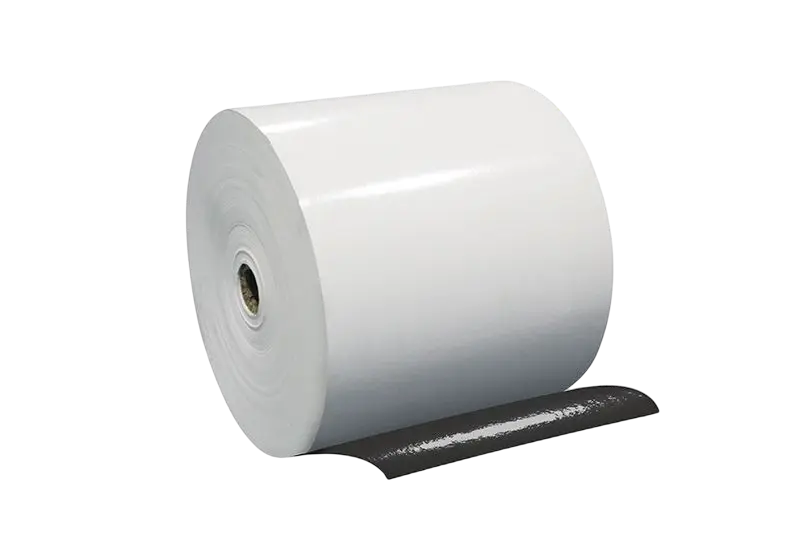
As an advanced material featuring a thin layer of polyester (PET) film laminated onto premium paper substrates, PET-coated paper is demonstrating broad application prospects across diverse industries due to its exceptional comprehensive performance. It masterfully balances the tactile quality and printability of paper with the durability and barrier properties of plastic, offering brands and manufacturers an innovative solution that combines high performance with eco-friendly potential.
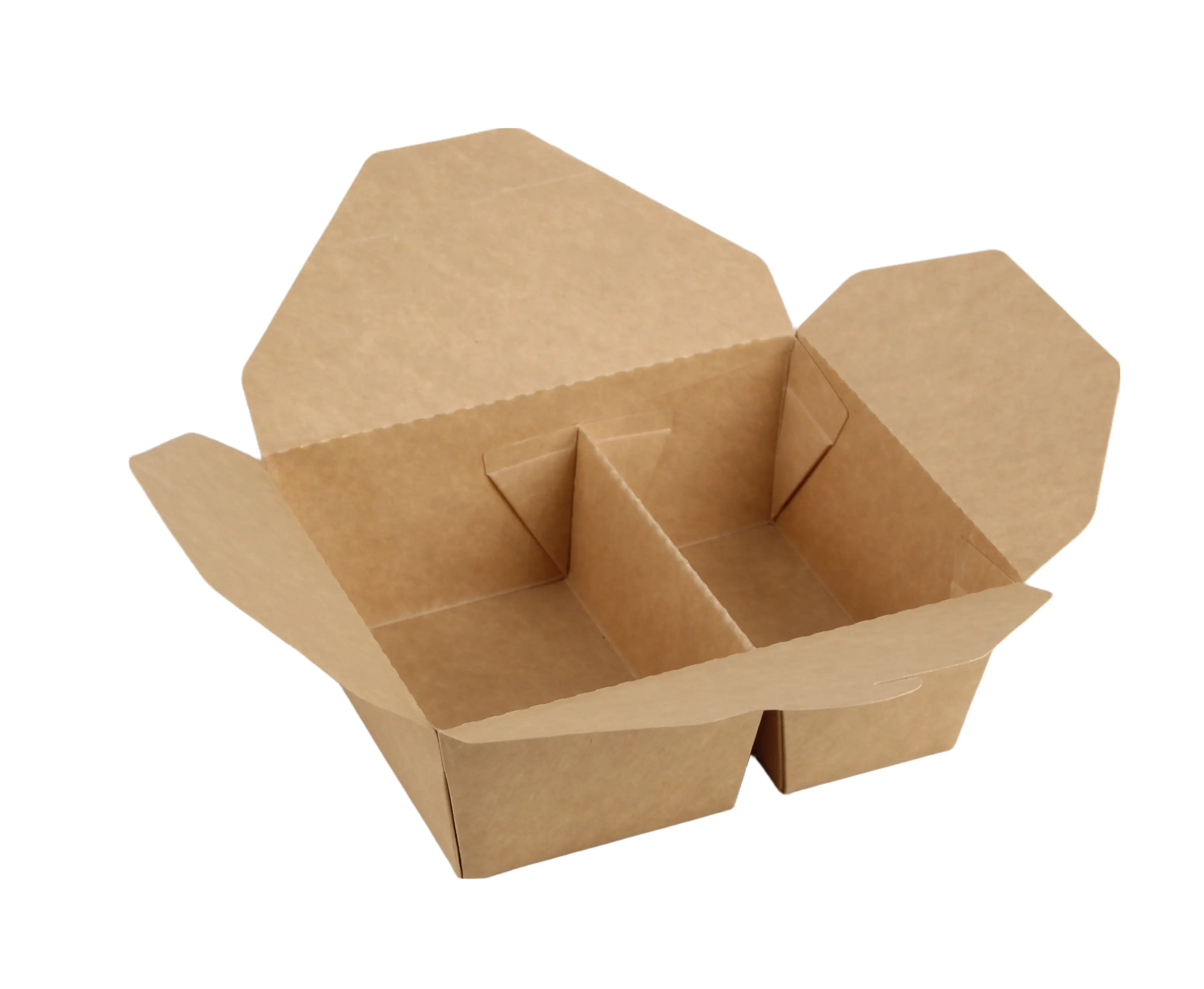
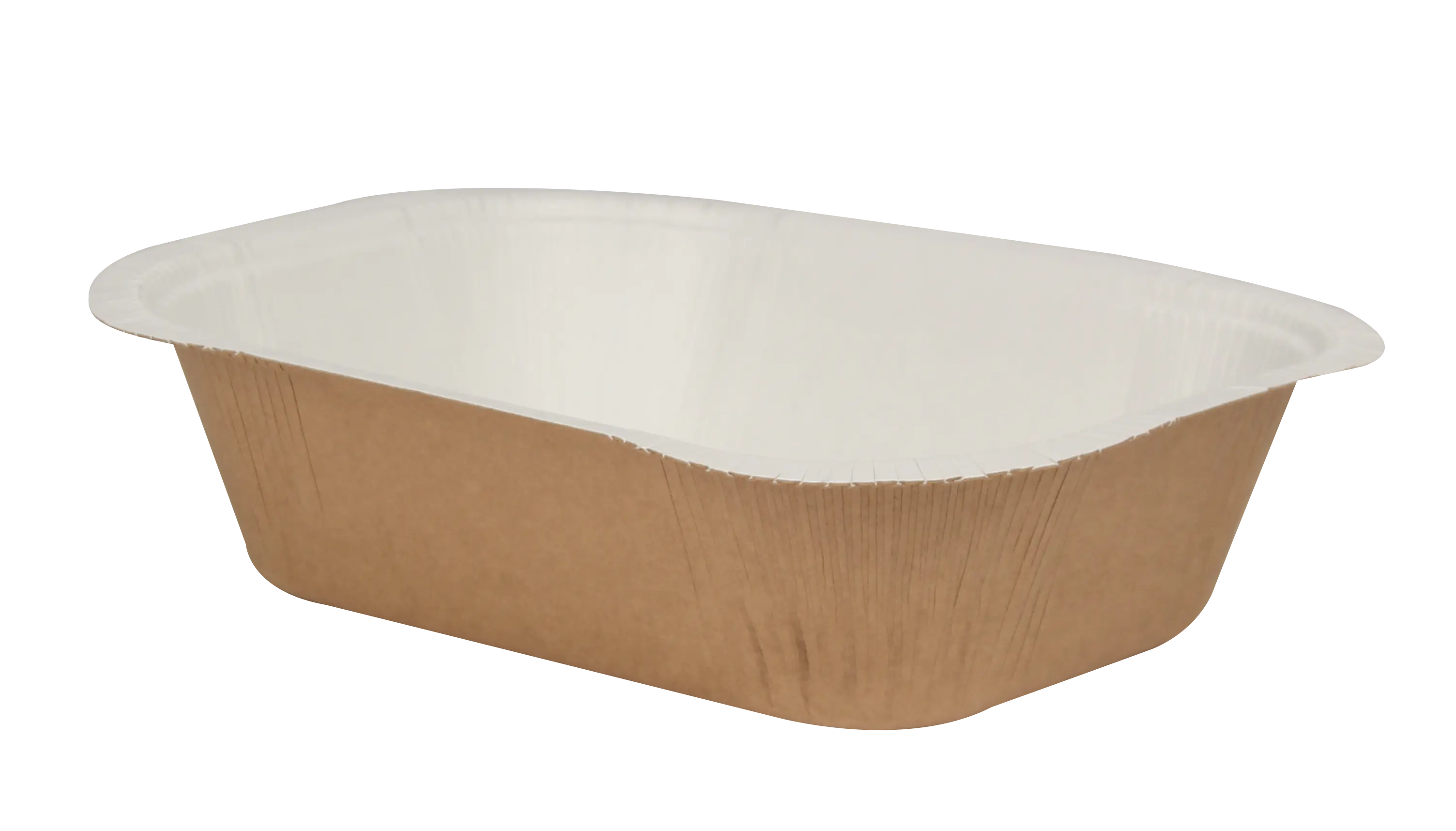
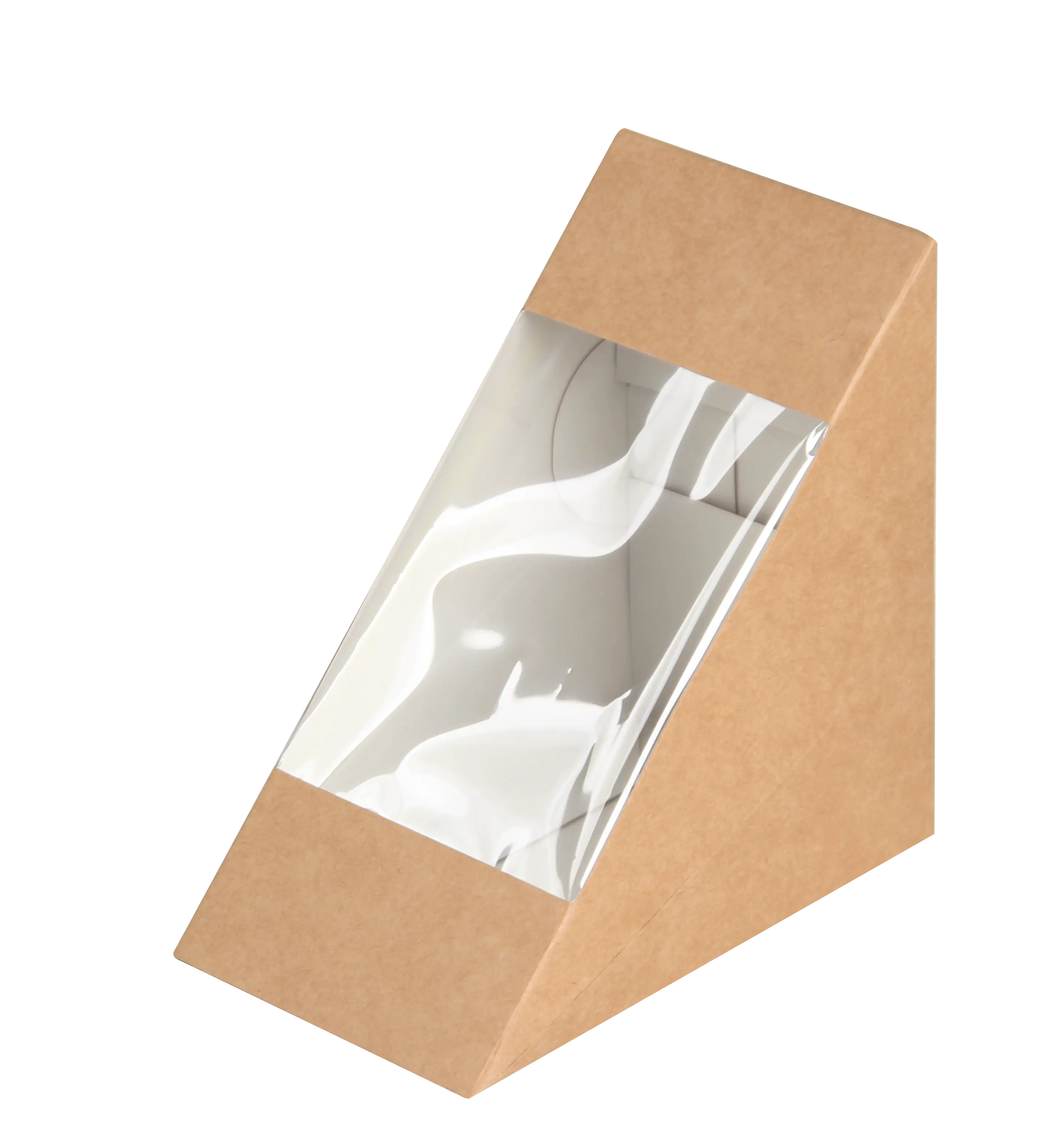
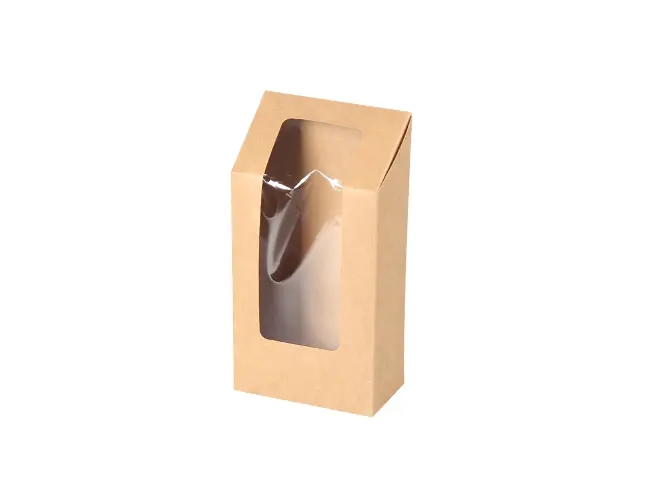
Its application shines particularly brightly in packaging. For the food and beverage industry, PET-coated paper is an ideal choice for creating grease-resistant and moisture-proof packaging, widely used in takeout containers, frozen food outer packaging, and beverage cup sleeves requiring liquid barrier properties. In luxury goods and electronics packaging, it imparts a premium tactile feel and visual luster while delivering outstanding physical protection. The pharmaceutical industry values its exceptional moisture barrier properties for safeguarding humidity-sensitive medications and medical devices.
The material's durability shines in retail and visual communication applications. It is employed for high-end apparel hangtags that withstand repeated handling, weather-resistant outdoor promotional posters and exhibition displays, and durable, water- and stain-resistant restaurant menus. Its outstanding printability also makes it a preferred material for premium catalogs, book covers, and long-term instruction manuals.
From a broader industrial and commercial perspective, PET-coated paper's value lies in its extended service life. It serves as the foundation for frequently used architectural blueprints, technical manuals for industrial equipment, shipping labels that withstand harsh weather during logistics, and various reusable cards and certificates. This significantly reduces costs associated with frequent replacements due to damage.
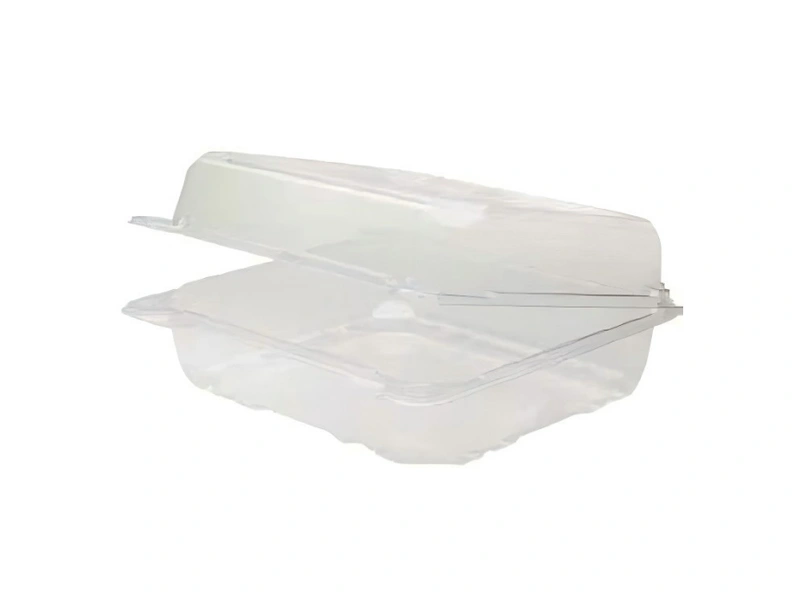
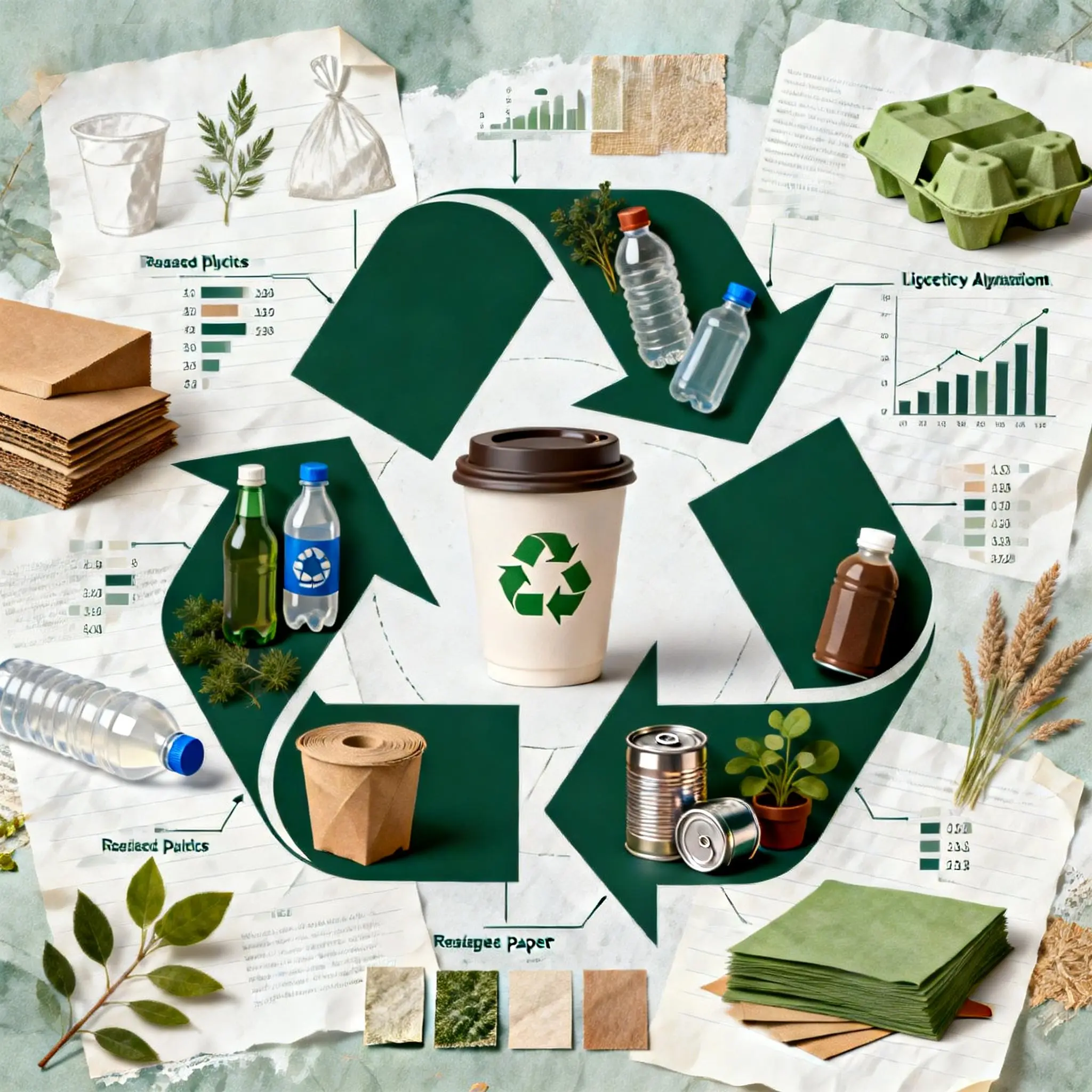
Its core advantages can be summarized as: durability far exceeding ordinary coated paper, exceptional barrier properties against moisture, grease, and chemicals, and robust processability compatible with multiple printing technologies. More importantly, PET-coated paper points toward a more sustainable future—it significantly reduces plastic usage compared to all-plastic packaging and is recyclable when properly managed, offering brands committed to reducing their environmental footprint a practical pathway forward.
In summary, PET-coated paper targets key industries including food and beverage, cosmetics, pharmaceuticals, retail, printing services, and logistics. It not only addresses performance limitations of many traditional materials but also responds to the global market's growing demand for sustainable, high-performance packaging and printing materials. This represents a clear trend in material innovation toward balancing functionality with environmental responsibility.