First, the core function of plastic caps lies in their exceptional sealing, freshness preservation, and safety protection. By forming a tight barrier, they effectively isolate air, moisture, contaminants, and bacteria—crucial for ensuring food safety, maintaining drug purity, and securely storing chemicals. Their ability to extend product shelf life directly contributes to reducing global food waste and guarantees consistent product quality throughout the supply chain. Simultaneously, reliable leak-proof designs ensure smooth and clean logistics transportation, preventing cross-contamination and losses.
Secondly, plastic caps serve as a vital engine driving modern industry and commerce. Their standardized production characteristics support the large-scale packaging demands of sectors like food and beverage, cosmetics, and agrochemicals. Furthermore, functioning as a platform for brand customization and feature integration—through printed branding, tamper-evident rings, or easy-open mechanisms—they significantly enhance product value and user experience. Their lightweight and stackable properties also substantially reduce logistics costs and carbon emissions, demonstrating notable operational efficiency advantages.
For consumers, plastic caps directly impact daily convenience and safety. From takeout coffee cups to household storage containers, they underpin modern fast-paced lifestyles. Today, caps made with food-grade materials, BPA-free formulations, and child-resistant locks have become integral components of public health and safety standards. Their durable design encourages container reuse, driving circular economy models at the consumer level.
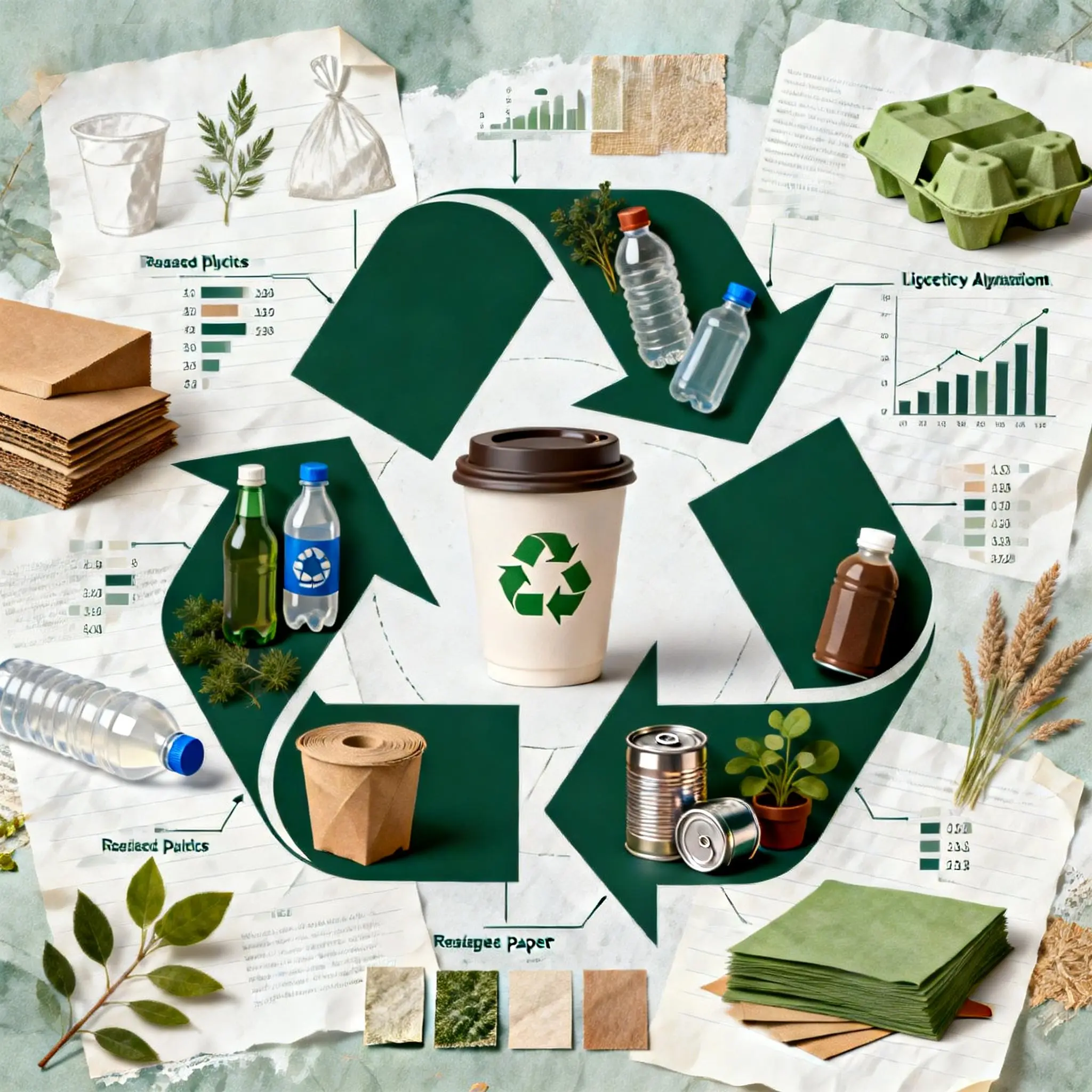
Finally, the plastic cap industry is actively responding to evolving market and environmental demands. By utilizing post-consumer recycled materials, developing biodegradable polymers, and innovating fully recyclable resins, plastic caps have become a frontier in sustainable packaging solutions. Advances in manufacturing processes achieve “less material, more efficiency”—using fewer resources while maintaining performance—precisely aligning with current environmental goals and economic considerations.