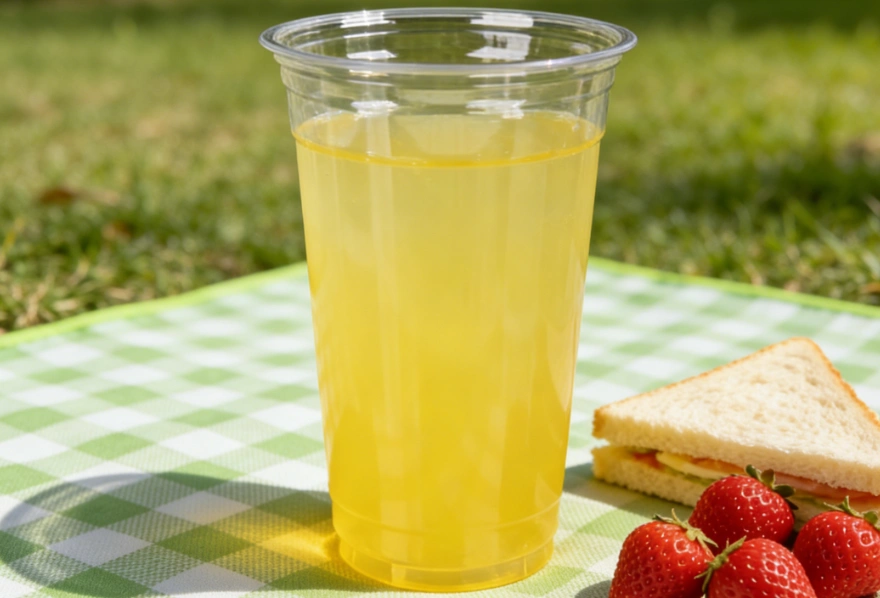
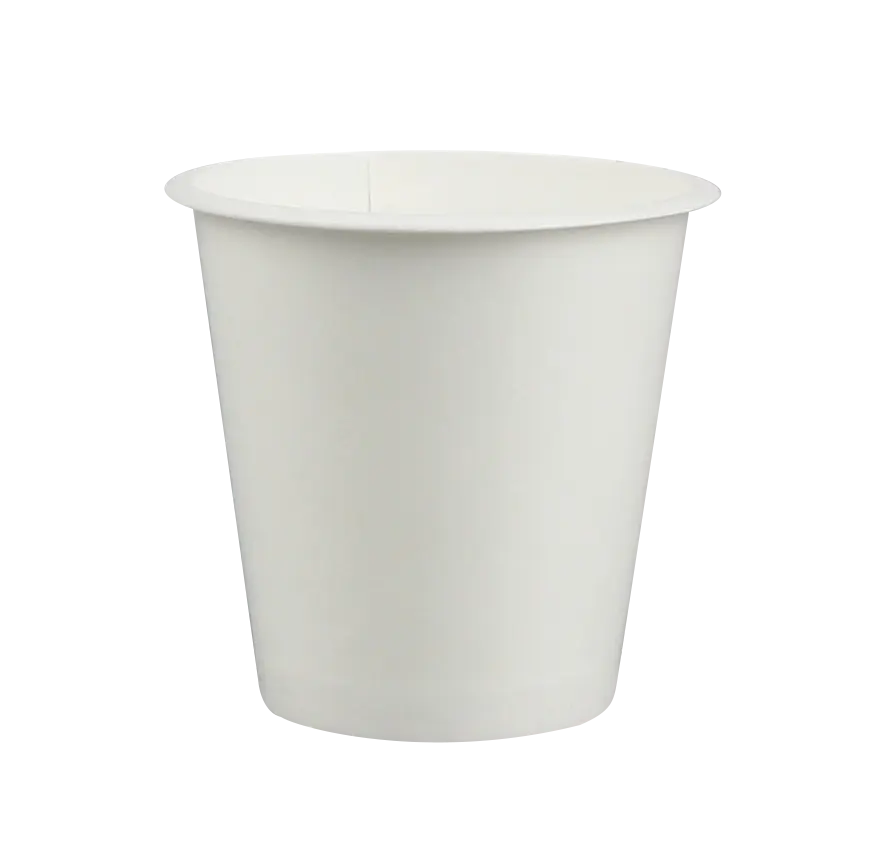
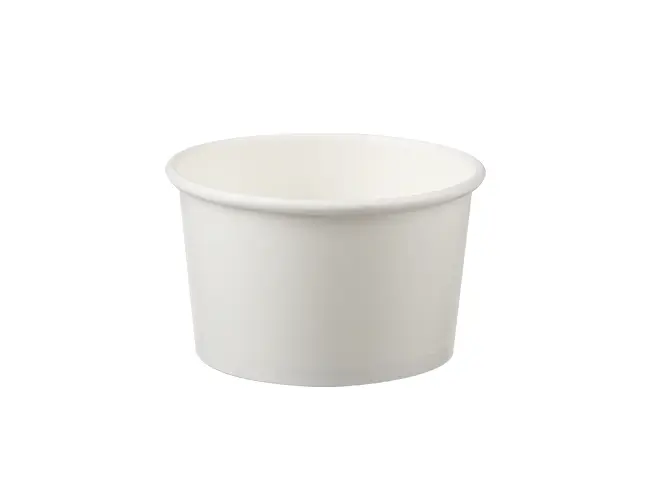
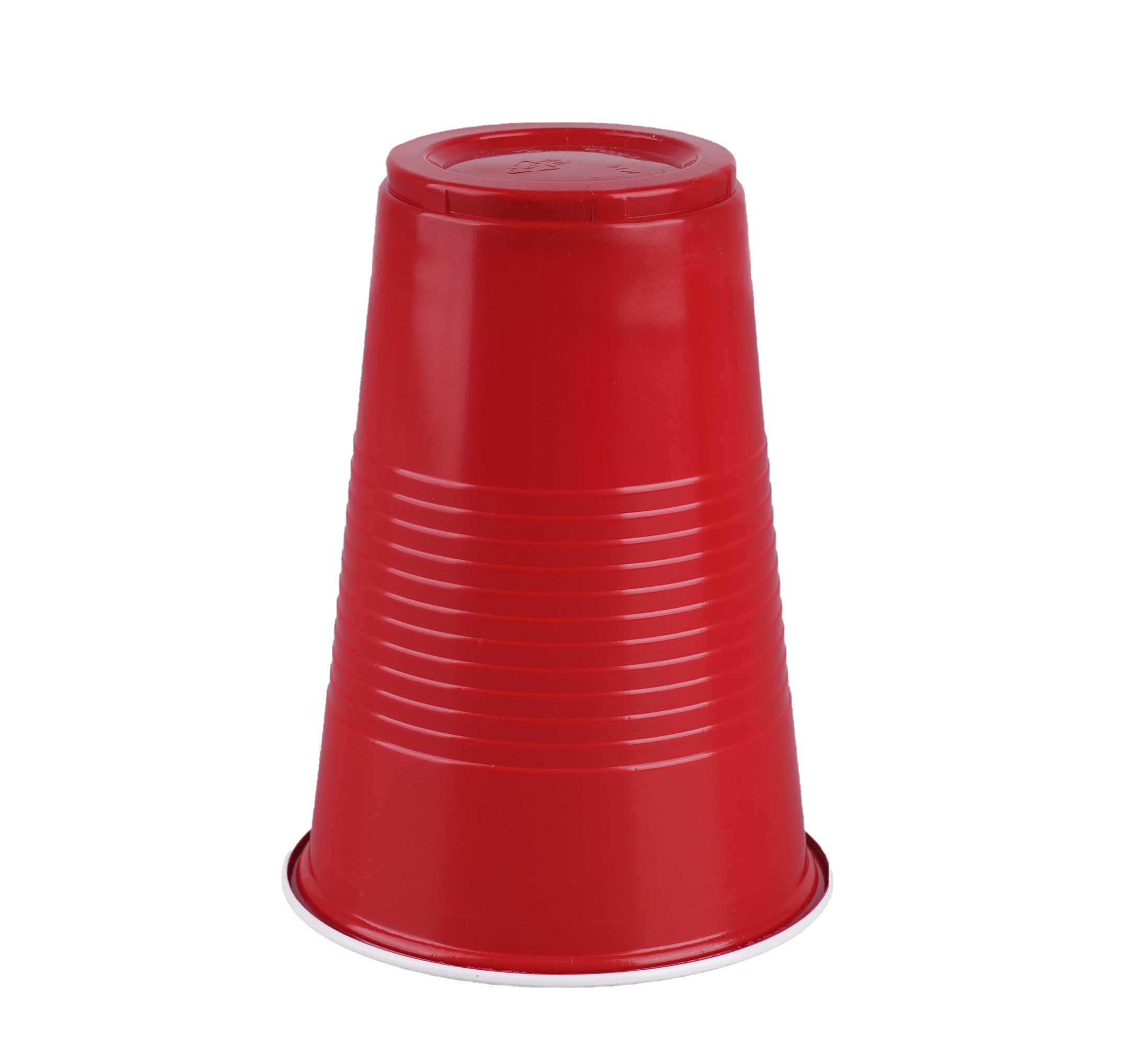
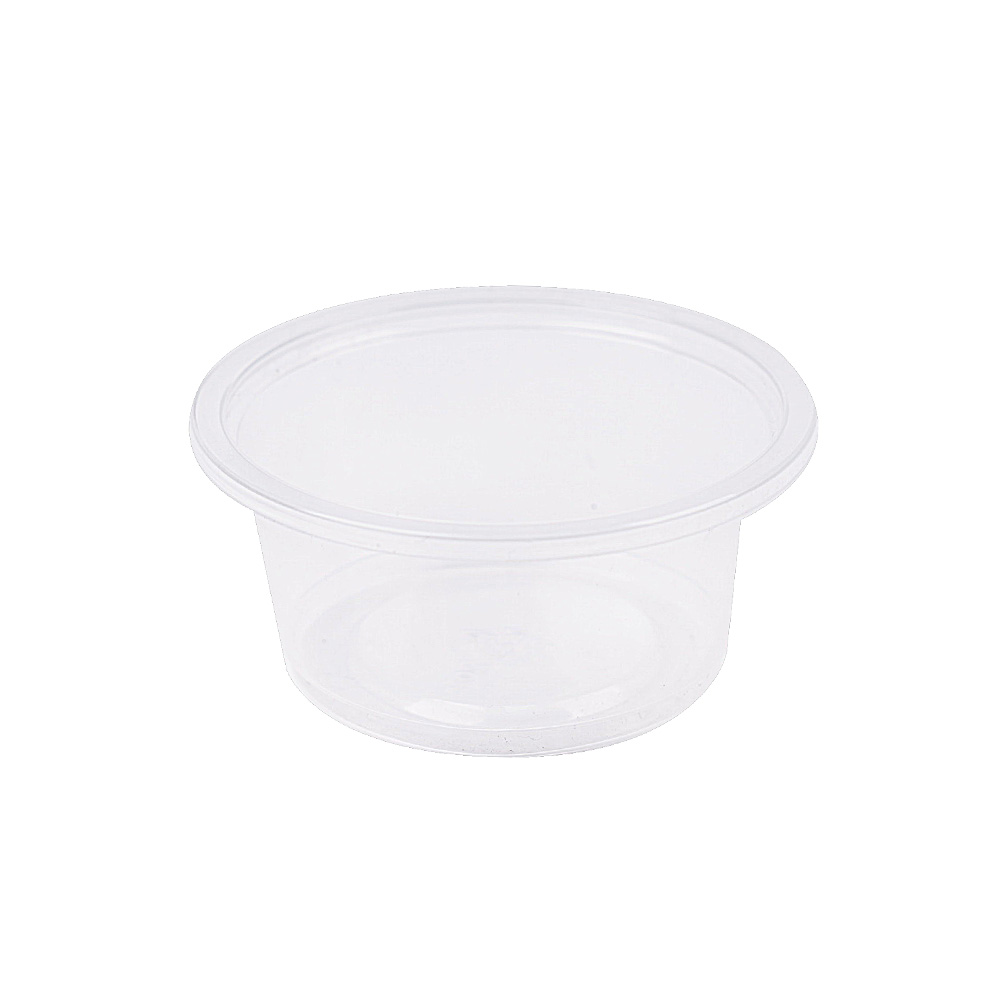
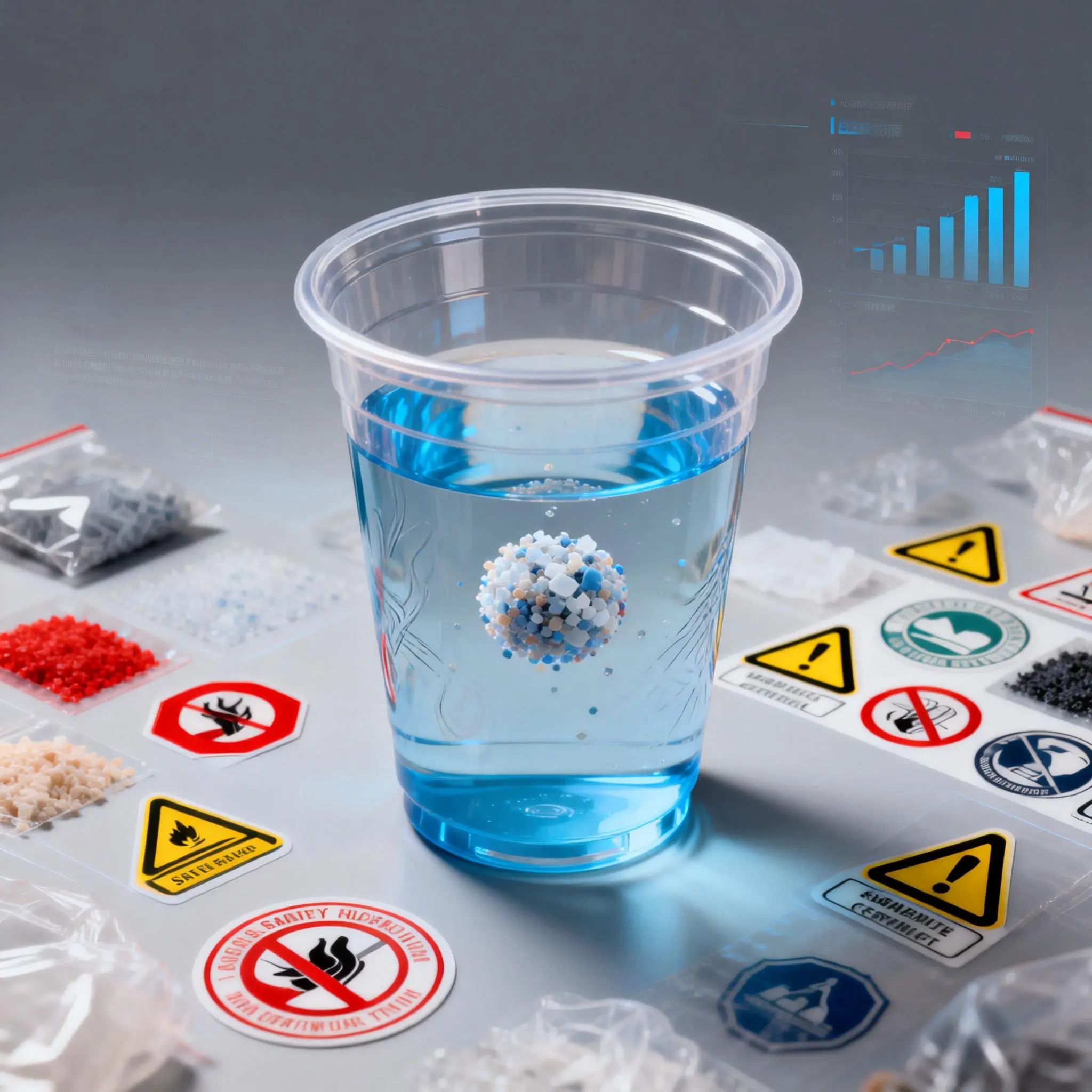
As a plastic cup made from polypropylene (PP) material, PP cups demonstrate broad and continuously growing application potential across multiple markets due to their core characteristics: BPA-free composition, high-temperature resistance, high transparency, and durability.
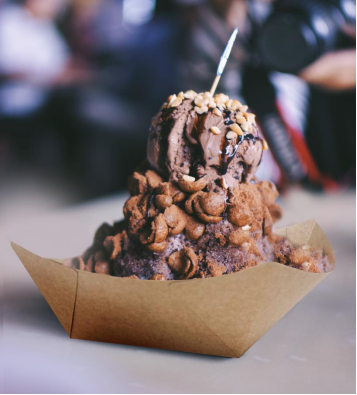
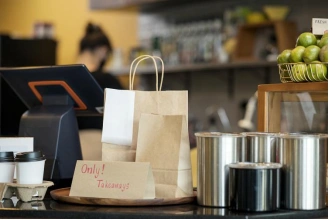
In the food service sector, PP cups have become a popular choice for coffee shops, tea houses, and the fast-food industry. They are particularly well-suited for serving hot beverages like coffee and milk tea, as their heat resistance prevents deformation. Simultaneously, their transparent aesthetics and shatter-resistant properties make them highly favored for cold beverages, ice cream, dessert takeout, as well as large events, wedding banquets, and corporate meeting refreshments.
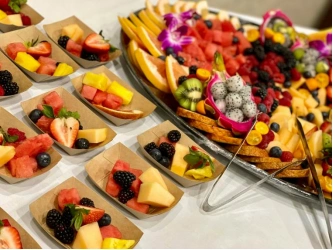
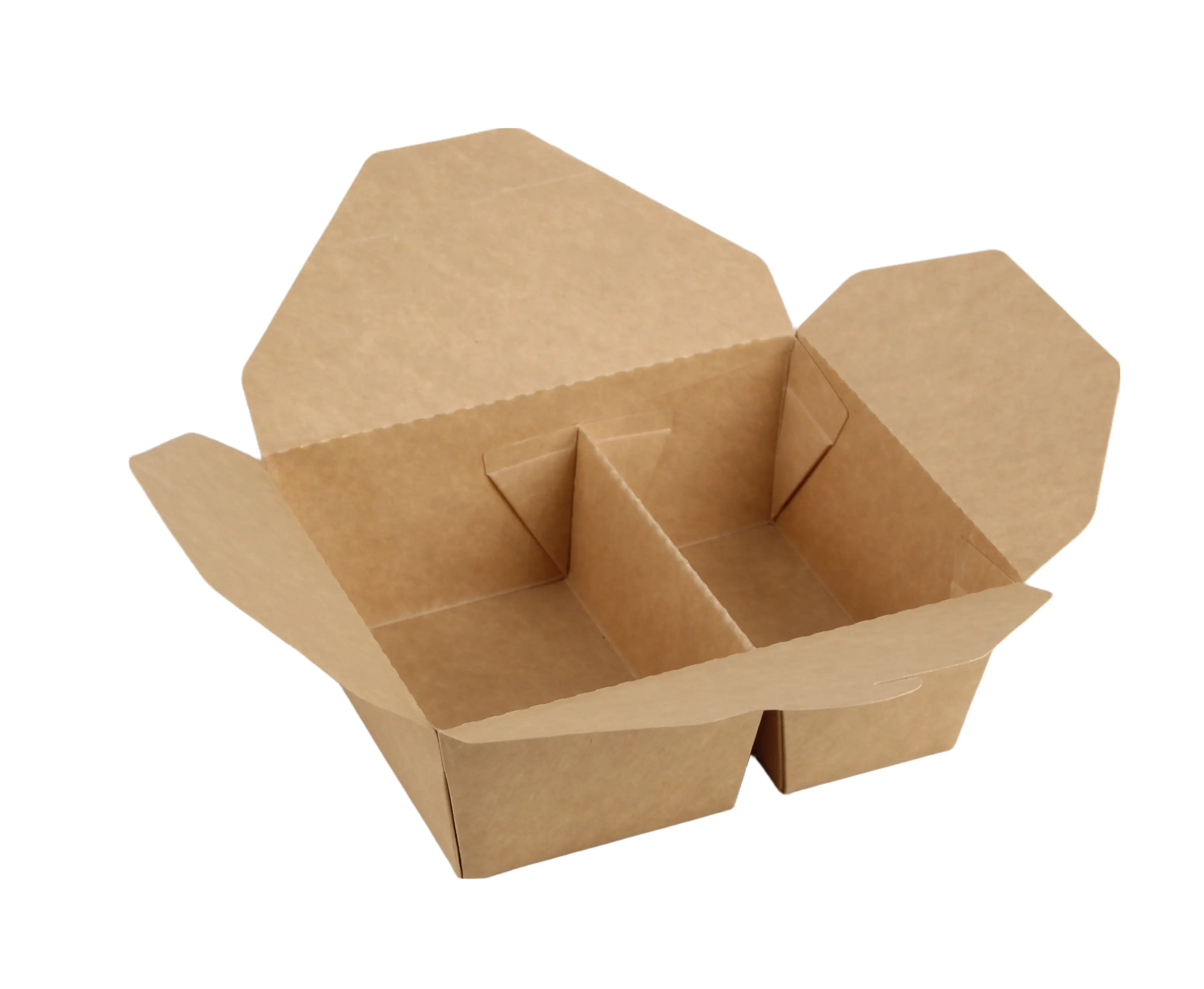
In food retail and packaging, PP cups are widely used for pre-packaged foods like yogurt, pudding, fruit salads, and jellies in supermarket refrigerated sections. They are also commonly employed for soup containers in delis and takeout rice packaging in fast-food establishments. They provide brands with an excellent surface for custom printing, serving as effective tools for brand promotion and marketing.
In institutional and professional settings, PP cups also play a vital role. Hospitals and nursing homes leverage their safety and sterilizability as patient water cups and medicine containers; schools and large institutional cafeterias value their cost-effectiveness and durability. Additionally, they function as disposable sample containers in laboratories and informal teaching environments.
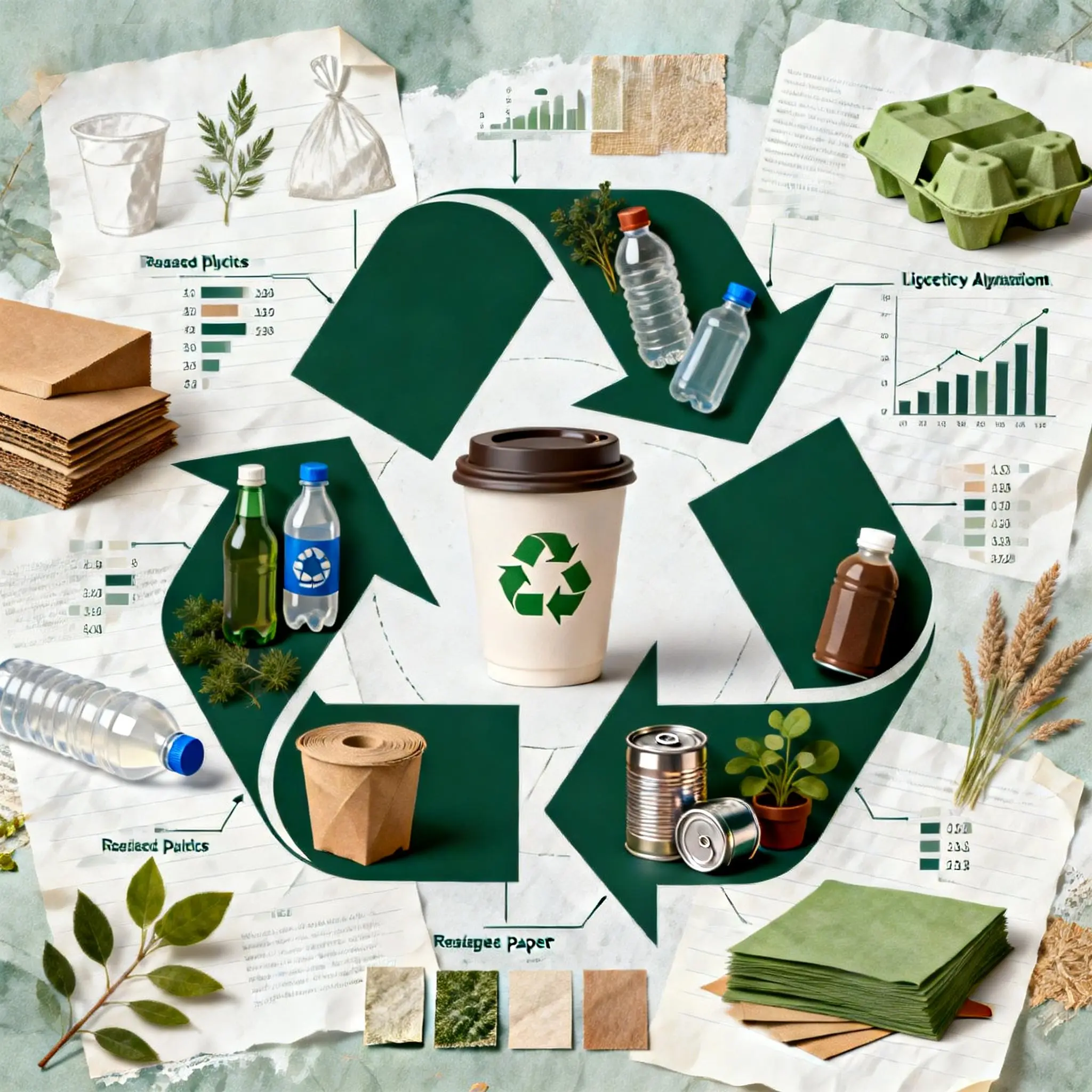
From a market outlook perspective, PP cups exhibit robust future growth momentum. As regions worldwide progressively restrict or ban environmentally less friendly plastics like polystyrene (PS), the superior performance of PP material presents clear substitution opportunities. Simultaneously, rising consumer demands for product safety and functionality are driving the adoption of BPA-free, heat-resistant PP cups in household and daily use. Under the circular economy trend, recycling and reuse solutions for PP cups within specific closed-loop systems—such as major sporting events and campuses—are emerging as promising avenues for exploration.
In summary, PP cups represent not only a versatile packaging solution but also a growth-oriented product at the intersection of food service consumption, retail packaging, and sustainability. Their application prospects continue to expand alongside technological advancements and evolving market regulations.