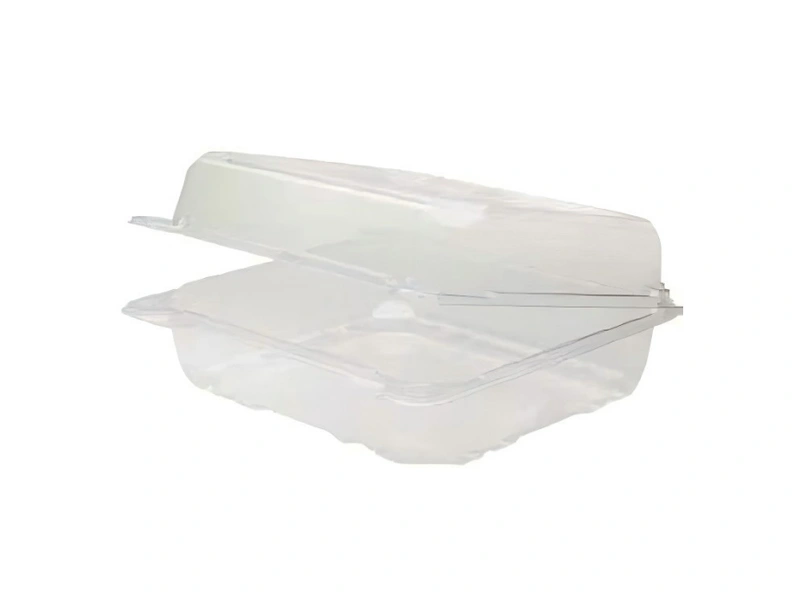
Today, wholesale disposable tableware has evolved from simple party supplies into a core component of efficient operations across numerous industries and institutions. Its broad application prospects are rooted in diverse sectors including food service, event planning, institutional needs, and emerging markets.
In the food service and hospitality sectors, disposable tableware is key to cost control and efficiency gains in high-traffic settings like fast-food outlets and food trucks. For catering companies and hotel banquet services, high-quality disposable tableware that complements themes and simplifies cleanup significantly streamlines operations for large-scale events. In event planning and celebrations, disposable tableware offers solutions ranging from basic to premium for scenarios like elegant weddings, professional corporate events, or outdoor music festivals, meeting both aesthetic and practical needs. Additionally, in healthcare, education, and correctional facilities—where hygiene is paramount—disposable tableware serves as a reliable choice for infection control and simplified management.
Current market growth is driven by several key trends. First is the sustainability revolution, where biodegradable materials like sugarcane pulp, bamboo, and compostable plastics are rapidly replacing traditional plastics to meet environmental regulations and consumer preferences. Second is advancement in design and customization, with products now closely mimicking the texture of ceramics or glass and enhancing brand identity through printing. Furthermore, heightened post-pandemic focus on personal hygiene has made individually packaged, single-use tableware the preferred choice in more settings.
For businesses, adopting wholesale disposable tableware offers significant operational advantages. It substantially reduces labor and energy costs associated with washing and disinfection, simplifies inventory management, and provides unmatched flexibility—particularly suited for outdoor, temporary, or variable-scale catering scenarios. Looking ahead, this market will continue to expand and evolve through innovations in material technology (such as enhanced heat resistance), integration of smart packaging (e.g., QR code traceability), and stricter global regulations on single-use plastics. In summary, the outlook for wholesale disposable tableware is intrinsically linked to the growth of the food service industry, deepening environmental policies, and shifting consumer habits, making it an indispensable component of the modern commercial ecosystem.