Eco-Friendly Uncoated Paper Cups - Biodegradable & Recyclable Beverage Solutions

uncoated paper cups

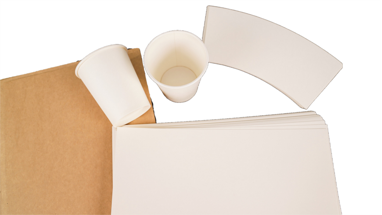
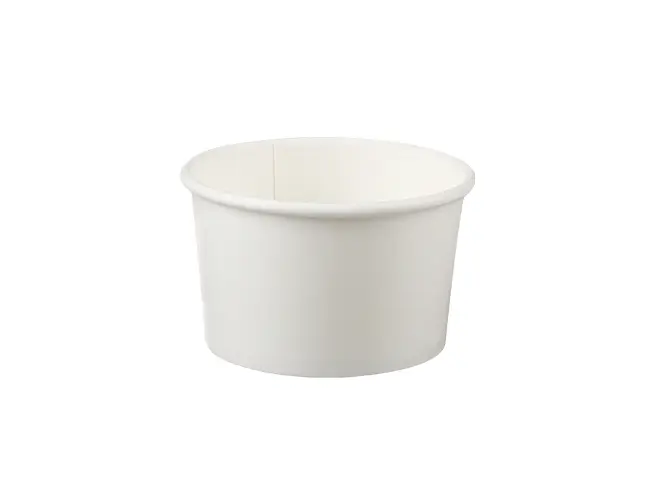
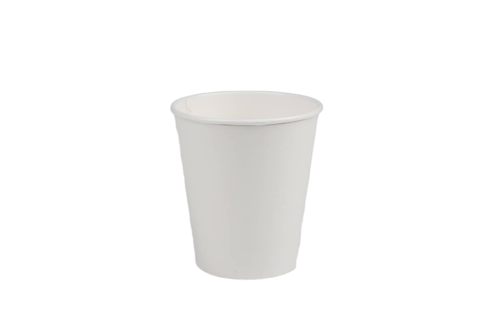
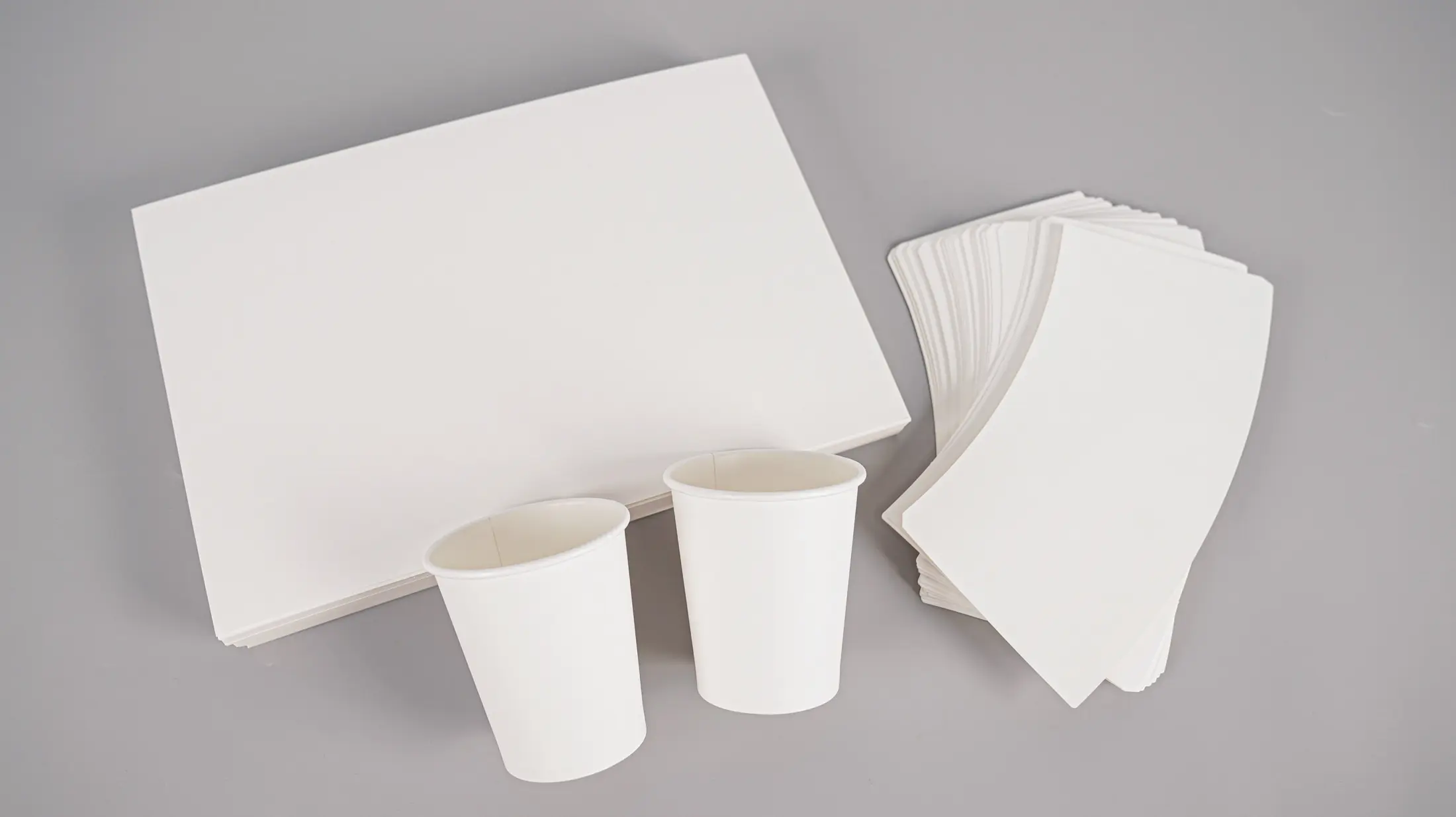
Uncoated paper cups represent a sustainable and eco-friendly solution for beverage service across diverse industries and environments. These cups are manufactured from high-quality paperboard materials without any plastic or polymer lining, making them fully biodegradable and compostable. The production process involves specialized paper selection and forming techniques that create sturdy containers capable of holding various beverages while maintaining structural integrity. Uncoated paper cups serve multiple functions in foodservice establishments, offices, events, and healthcare facilities where environmental responsibility meets practical utility. The primary function of these cups is to provide a temporary vessel for cold beverages, including water, juice, soft drinks, and other non-hot liquids. The absence of coating material allows the paper fibers to remain in their natural state, which facilitates easier recycling and faster decomposition in composting environments. The technological features of uncoated paper cups include precision die-cutting methods that ensure consistent dimensions and proper nesting for efficient storage. Manufacturing facilities employ advanced machinery that forms flat paperboard sheets into cylindrical or conical shapes through heat-sealing or specialized folding techniques at the seams. Quality control measures monitor wall thickness, base stability, and rim formation to guarantee reliable performance during use. Applications for uncoated paper cups extend throughout commercial and institutional settings where sustainability initiatives drive purchasing decisions. Restaurants and cafes utilize these cups for takeaway cold drinks, while corporate offices provide them at water stations and break rooms. Educational institutions incorporate uncoated paper cups into their green campus programs, and healthcare facilities appreciate their single-use hygiene benefits combined with environmental advantages. Event organizers choose these cups for festivals, conferences, and outdoor gatherings where waste management and ecological impact are significant considerations. The versatility of uncoated paper cups makes them suitable for sampling stations, tasting events, and situations requiring portion control, demonstrating their adaptability across numerous beverage service scenarios while supporting environmental stewardship goals.

New Product Recommendations

Choosing uncoated paper cups delivers substantial environmental benefits that align with modern sustainability expectations and corporate responsibility objectives. These cups break down naturally in composting facilities within weeks rather than persisting for centuries like plastic alternatives, reducing long-term environmental burden and supporting circular economy principles. The manufacturing process for uncoated paper cups typically requires less energy and generates fewer greenhouse gas emissions compared to producing plastic-coated or foam cups, contributing to lower carbon footprints for businesses that select them. Companies demonstrate their commitment to environmental stewardship by switching to uncoated paper cups, which enhances brand reputation among increasingly eco-conscious consumers who actively seek businesses that prioritize sustainability. The natural composition of uncoated paper cups means they contain no harmful chemicals or synthetic materials that could leach into beverages or contaminate soil and water systems during decomposition. Businesses reduce their waste disposal costs when using uncoated paper cups because many waste management services offer discounted rates for compostable materials, and some municipalities provide special collection programs that further incentivize sustainable choices. The cups integrate seamlessly into existing recycling streams without contaminating paper recycling batches, unlike their plastic-lined counterparts that require special separation processes. Customers appreciate receiving beverages in uncoated paper cups because it demonstrates the establishment's values and creates positive associations with the brand experience. The tactile quality of uncoated paper provides a comfortable grip that does not become slippery with condensation, enhancing user experience during beverage consumption. Storage efficiency represents another practical advantage, as uncoated paper cups nest tightly together, maximizing shelf space in stockrooms and reducing shipping volumes that lower transportation costs and associated emissions. These cups accommodate custom printing and branding without specialized inks or processes that would compromise their compostability, allowing businesses to maintain marketing presence while upholding environmental commitments. The simplicity of uncoated paper cups eliminates concerns about complex material compositions, making it easier for staff to manage waste sorting and for customers to dispose of used cups properly. Purchasing uncoated paper cups often costs less than premium eco-friendly alternatives while still delivering genuine environmental benefits, making sustainability accessible for businesses operating on constrained budgets. The widespread availability of uncoated paper cups through multiple suppliers ensures reliable procurement and competitive pricing, preventing supply chain disruptions that could affect daily operations. Regulatory compliance becomes simpler when using uncoated paper cups as governments worldwide implement restrictions on single-use plastics and mandate compostable alternatives for foodservice operations. Forward-thinking businesses position themselves advantageously by adopting uncoated paper cups before regulations force costly rapid transitions, allowing gradual integration and staff training that ensures smooth implementation of sustainable practices.

Practical Tips

Plastic Clamshell Containers vs Paper Clamshell Containers

30

Jan

Plastic Clamshell Containers vs Paper Clamshell Containers

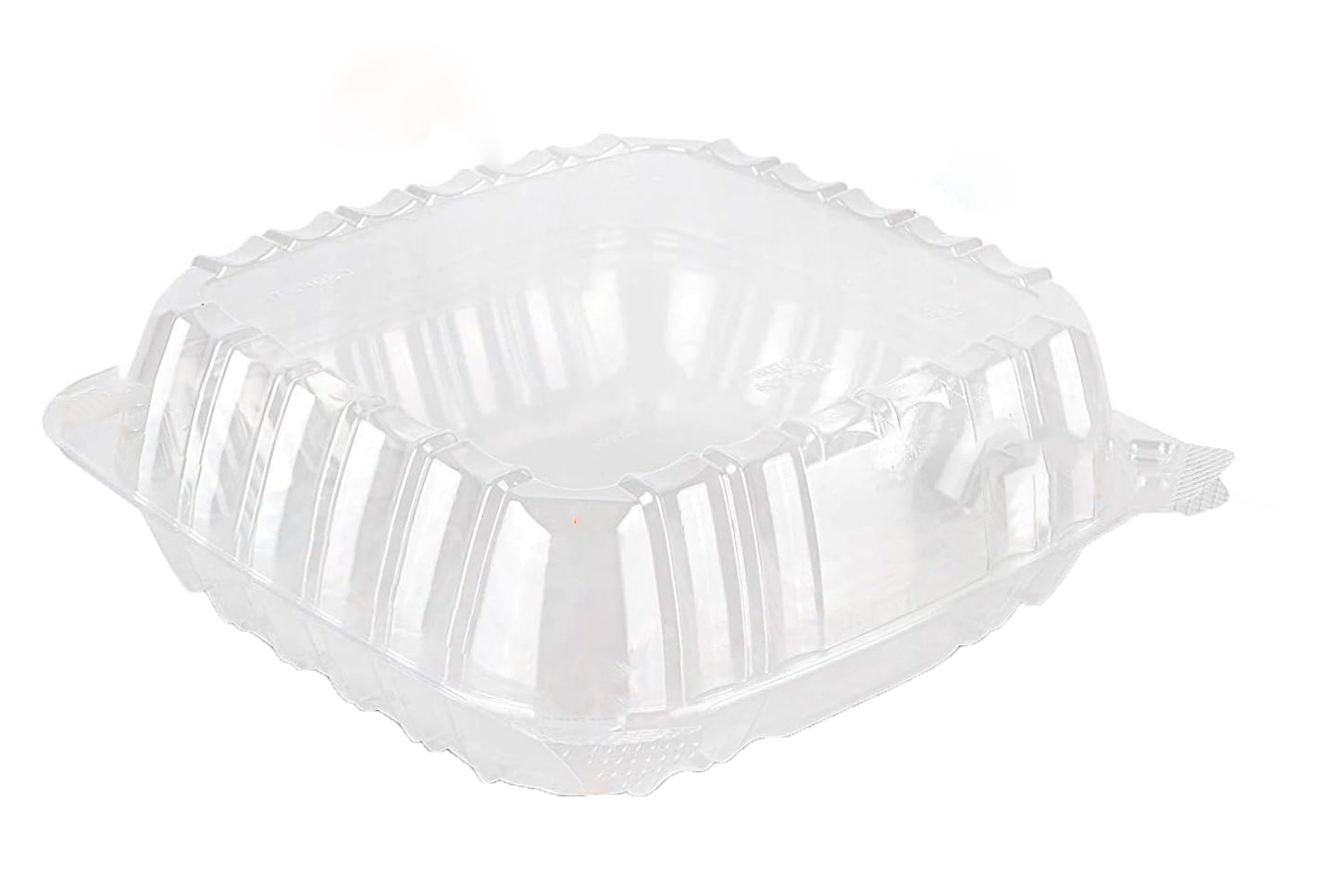
Environmental Impact Across the Lifecycle: Carbon, Energy, and Logistics About Clamshell Containers Manufacturing Emissions: Plastic Clamshell Containers (PP/PS) vs Paper Clamshell Containers (Kraft + Coatings) Most plastic clamshell containers com...
View More
Custom Plastic Cups for Seasonal Promotions and Limited-Time Campaigns

07

Feb

Custom Plastic Cups for Seasonal Promotions and Limited-Time Campaigns

Why Custom Plastic Cups Excel in Seasonal Marketing The Psychological Power of Timely, Thematic Brand Touchpoints Putting seasonal designs on custom plastic cups works because people connect emotionally when they see something timely. Brands that ...
View More
How Printing Methods Affect the Quality of Custom Plastic Cups

25

Feb

How Printing Methods Affect the Quality of Custom Plastic Cups

Visual Quality: Resolution, Color, and Adhesion on Custom Plastic Cups Resolution and Color Fidelity Across Pad, Screen, and Digital Printing Getting good visuals on those custom plastic cups really comes down to picking the right printing techniq...
View More
Disposable Tableware: How to Choose Eco‑Friendly, Durable, and Cost‑Effective Options for Modern Food Service

06

Mar

Disposable Tableware: How to Choose Eco‑Friendly, Durable, and Cost‑Effective Options for Modern Food Service

Eco-Friendly Disposable Tableware Materials: Performance, Certifications, and Innovation Comparative Performance of Leading Biobased Materials (Bagasse, PLA, CPLA, Molded Fiber) When it comes to food service applications, different biobased material...
View More

Get a Free Quote

Our representative will contact you soon.
Email
Name
Mobile
Country/Region
Message
0/1000

uncoated paper cups

Complete Biodegradability and Composting Compatibility

Complete Biodegradability and Composting Compatibility

The complete biodegradability of uncoated paper cups stands as their most compelling environmental feature, addressing the urgent global challenge of persistent waste accumulation in landfills and natural ecosystems. Unlike conventional disposable cups that contain plastic linings or foam materials requiring hundreds of years to decompose, uncoated paper cups break down through natural biological processes within approximately thirty to ninety days under proper composting conditions. This rapid decomposition timeline means these cups return to the earth as nutrient-rich organic matter rather than fragmenting into microplastics that contaminate soil, waterways, and food chains. The composting compatibility of uncoated paper cups creates valuable opportunities for businesses and institutions to participate in organic waste diversion programs that transform used cups into beneficial soil amendments for agricultural and landscaping applications. Municipal composting facilities readily accept uncoated paper cups because their pure cellulose fiber composition integrates perfectly with food scraps, yard waste, and other organic materials in industrial composting operations that maintain optimal temperature, moisture, and aeration conditions. Home composting systems can also process uncoated paper cups effectively, empowering environmentally conscious consumers to close the loop on their beverage container waste through backyard composting bins and vermicomposting setups. The absence of synthetic coatings eliminates concerns about harmful residues persisting in finished compost products, ensuring that soil amendments derived from uncoated paper cups meet organic certification standards and support chemical-free growing practices. Businesses that provide uncoated paper cups to customers can confidently market their composting programs, knowing these cups will not compromise compost quality or create processing challenges for waste management partners. The biodegradability advantage extends beyond end-of-life disposal to encompass reduced environmental impact throughout the product lifecycle, as the natural materials used in uncoated paper cups come from renewable forest resources managed through sustainable forestry practices that regenerate timber supplies. Organizations pursuing zero-waste objectives find uncoated paper cups essential to their strategies because diverting these items from landfills through composting directly contributes to waste reduction targets and demonstrates measurable progress toward environmental goals that stakeholders increasingly demand.
Superior Recycling Integration and Material Purity

Superior Recycling Integration and Material Purity

Uncoated paper cups offer superior recycling integration capabilities that distinguish them from plastic-lined alternatives and provide significant advantages for businesses committed to circular economy principles and resource conservation. The material purity of uncoated paper cups enables them to enter standard paper recycling streams without contamination concerns or special processing requirements that complicate waste management and increase operational costs. Recycling facilities appreciate receiving uncoated paper cups because their homogeneous fiber composition blends seamlessly with other paper products like office documents, cardboard boxes, and newsprint during the pulping process that breaks down cellulose fibers for remanufacturing into new paper goods. This compatibility eliminates the need for costly separation technologies and reduces rejected loads that waste management companies must redirect to landfills when contaminated materials compromise recycling batch integrity. The absence of polyethylene or other synthetic coatings means uncoated paper cups do not introduce plastic residues into recycled paper pulp, preserving the quality and marketability of recycled paper products that manufacturers purchase as feedstock for producing everything from packaging materials to tissue products. Businesses that use uncoated paper cups simplify waste sorting procedures for employees and customers because clear categorization as paper recyclables removes confusion about proper disposal methods that often leads to contamination when people incorrectly place coated cups in recycling bins. Educational institutions particularly benefit from the straightforward recycling profile of uncoated paper cups when teaching students about waste management, as the cups serve as tangible examples of properly recyclable materials that help build environmental literacy and responsible disposal habits. The recyclability of uncoated paper cups extends their useful life beyond initial use, transforming discarded beverage containers into valuable raw materials that displace virgin paper production and conserve natural resources including trees, water, and energy required for manufacturing new paper products from scratch. Companies can accurately report higher recycling rates and lower waste generation when switching to uncoated paper cups, providing concrete data that supports sustainability reporting requirements and demonstrates environmental performance improvements to investors, regulators, and consumers who increasingly scrutinize corporate environmental practices. The global infrastructure for paper recycling makes uncoated paper cups universally manageable across different geographic regions, ensuring consistent end-of-life processing options regardless of where products are distributed or consumed, which proves essential for businesses operating across multiple locations with varying local waste management capabilities and regulatory frameworks.
Chemical-Free Composition and Health Safety Benefits

Chemical-Free Composition and Health Safety Benefits

The chemical-free composition of uncoated paper cups provides significant health safety benefits that matter deeply to consumers and institutions prioritizing wellness alongside environmental responsibility. These cups contain no plastic linings, wax coatings, or synthetic chemical additives that could potentially migrate into beverages and introduce unwanted substances into human consumption pathways. Growing scientific research about endocrine-disrupting chemicals and microplastic contamination has heightened public awareness regarding materials that contact food and beverages, making the pure paper construction of uncoated cups increasingly attractive to health-conscious individuals and organizations serving vulnerable populations. Healthcare facilities, schools, and childcare centers particularly value uncoated paper cups because the absence of chemical treatments eliminates exposure risks for patients, students, and young children whose developing bodies show greater sensitivity to environmental toxins and benefit from precautionary approaches to material selection. The natural paper fibers in uncoated cups come from plant-based cellulose that has been used safely in food contact applications for generations, providing a proven track record that instills confidence among safety officers and procurement managers responsible for protecting public health. Unlike coated cups that may release perfluorinated compounds or other concerning chemicals when holding hot liquids or acidic beverages, uncoated paper cups maintain their chemical stability across a range of beverage types suitable for their intended cold-drink applications. Parents appreciate receiving uncoated paper cups at family-friendly establishments because these cups align with their efforts to minimize their children's exposure to unnecessary synthetic materials during daily activities and special outings. The transparent composition of uncoated paper cups simplifies ingredient disclosure and allergen management for businesses, as the single-material construction eliminates complex supply chain questions about proprietary coatings or adhesives that might contain undisclosed components. Regulatory compliance becomes more straightforward when using uncoated paper cups because their simple material profile easily meets food contact safety standards without requiring extensive testing for chemical migration or toxicological assessments that more complex products demand. Organizations committed to precautionary principles in health and safety appreciate that choosing uncoated paper cups represents a conservative approach that avoids potential future liability if emerging research reveals problems with synthetic coatings currently in widespread use. The chemical-free nature of uncoated paper cups also benefits workers in foodservice establishments by reducing occupational exposure to substances that might be present in manufacturing residues or released during storage and handling of alternative cup products. Consumer trust grows when businesses transparently communicate their use of uncoated paper cups as part of broader commitments to clean ingredients and safe materials throughout their operations, creating competitive differentiation in markets where health-conscious consumers drive purchasing decisions and willingly pay premium prices for establishments that demonstrate genuine care for customer wellbeing beyond minimum regulatory requirements.