Environmental Responsibility and Sustainable Innovation
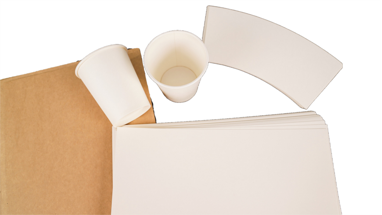
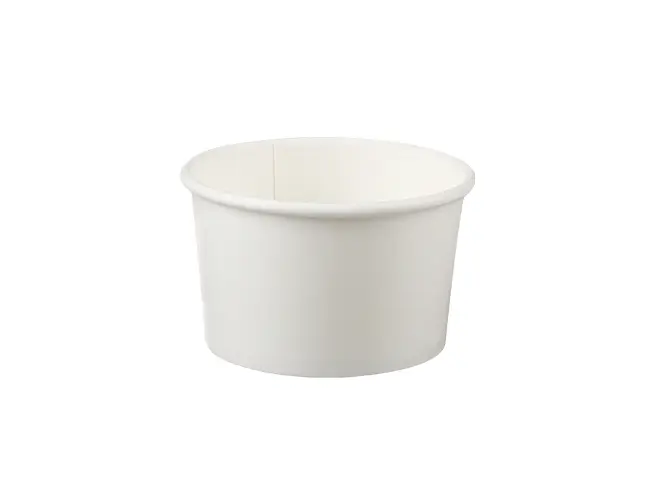
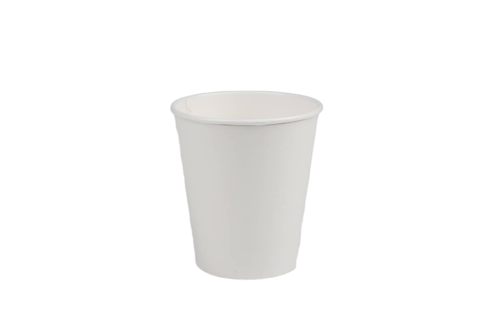
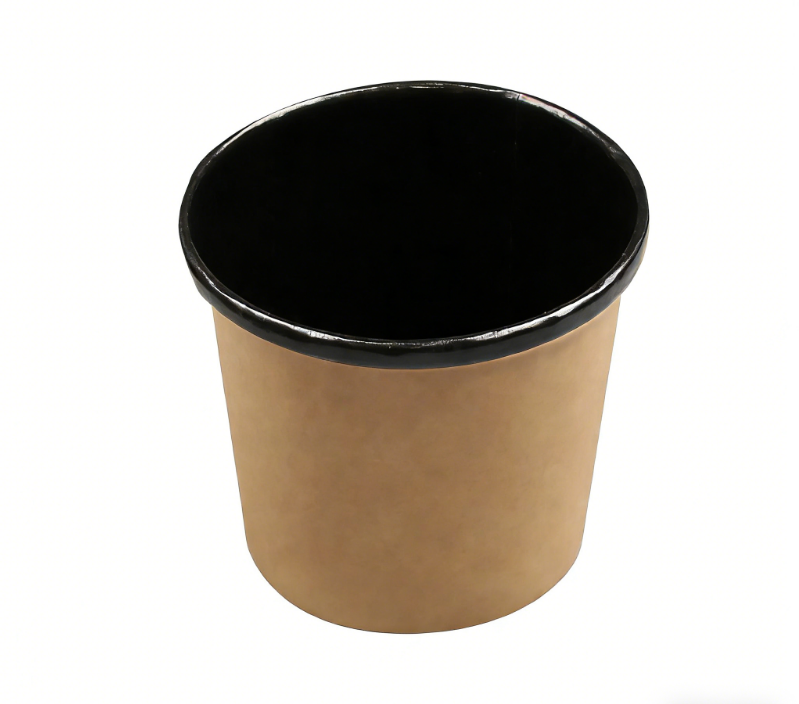
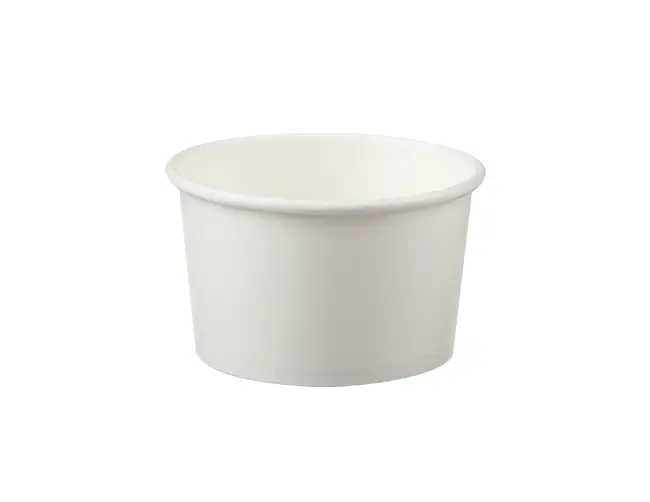
The evolution of microwavable paper cups reflects growing awareness of environmental impact and the packaging industry's response to sustainability demands. Modern consumers increasingly evaluate products based on ecological footprint, and manufacturers have risen to this challenge by developing more responsible alternatives. Understanding the environmental aspects helps users make informed decisions aligned with their values. The foundational material, paper, derives from renewable resources when sourced from responsibly managed forests. Certification programs ensure that the pulp used in cup manufacturing comes from forests where replanting and conservation practices maintain long-term ecological health. This contrasts favorably with petroleum-based plastics that rely on finite fossil fuel resources. Reputable manufacturers provide transparency about their sourcing practices, allowing environmentally conscious consumers to verify sustainability claims. Recent innovations in coating technology have dramatically improved the environmental profile of microwavable paper cups. Traditional polyethylene coatings posed recycling challenges because separating paper from plastic proved difficult. New-generation coatings utilize plant-based polymers and compostable materials that break down naturally under appropriate conditions. Some advanced formulations allow the entire cup to decompose in commercial composting facilities, returning nutrients to soil without leaving persistent residues. These biodegradable options give users guilt-free convenience, knowing their single-use items will not burden landfills indefinitely. Recycling infrastructure increasingly accommodates microwavable paper cups as processing technology advances. Many municipalities now accept coated paper products in recycling streams, where specialized facilities separate and recover paper fibers for reuse in new products. Users should check local recycling guidelines to understand specific requirements, but the general trend moves toward greater recyclability. Some manufacturers operate take-back programs, collecting used cups for processing through their own recycling channels, creating closed-loop systems that minimize waste. The carbon footprint analysis of microwavable paper cups reveals advantages when considering their entire lifecycle. Manufacturing these cups typically requires less energy than producing ceramic or glass alternatives, and their lightweight construction reduces transportation emissions. When compared to reusable containers, the environmental equation depends on factors including washing frequency, hot water usage, detergent impact, and the number of uses before disposal. For situations where reusable containers prove impractical or where washing resources are limited, quality microwavable paper cups can represent an environmentally responsible choice. Innovation continues as researchers develop next-generation materials that push sustainability boundaries further. Experimental coatings derived from agricultural byproducts, algae-based polymers, and other novel materials promise even better environmental performance. Some manufacturers explore cups that decompose completely in home composting environments, not just industrial facilities, expanding end-of-life options for consumers. Others work on enhanced recyclability that allows standard municipal systems to process the cups without specialized equipment. Consumer education plays a vital role in maximizing the environmental benefits of microwavable paper cups. Proper disposal according to local guidelines, avoiding contamination with non-recyclable materials, and choosing products from responsible manufacturers all contribute to positive outcomes. Users can support sustainability by selecting cups with appropriate sizing to minimize waste, purchasing from companies with transparent environmental policies, and advocating for improved recycling infrastructure in their communities. The balance between convenience and environmental responsibility continues improving as technology and awareness advance together.