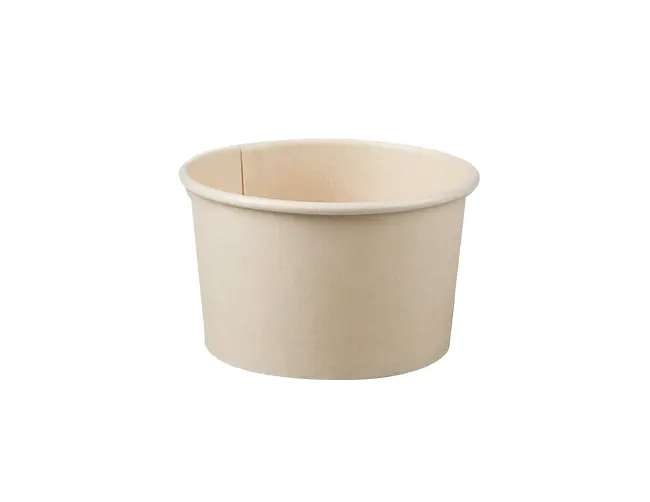
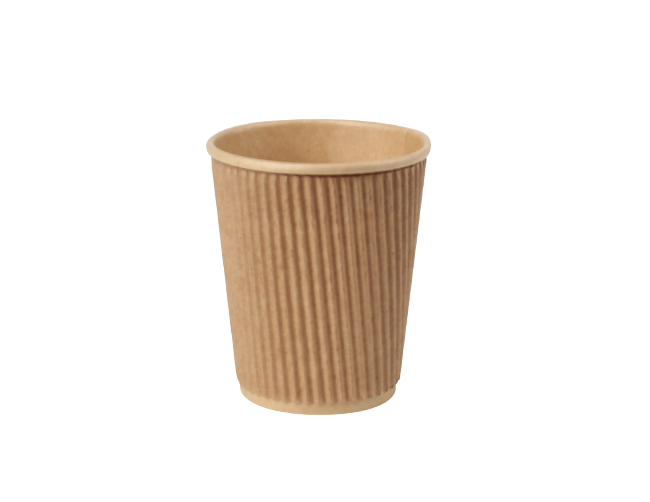
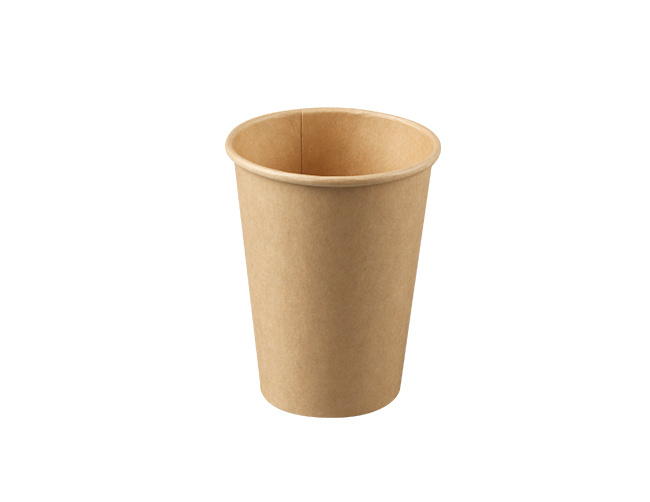
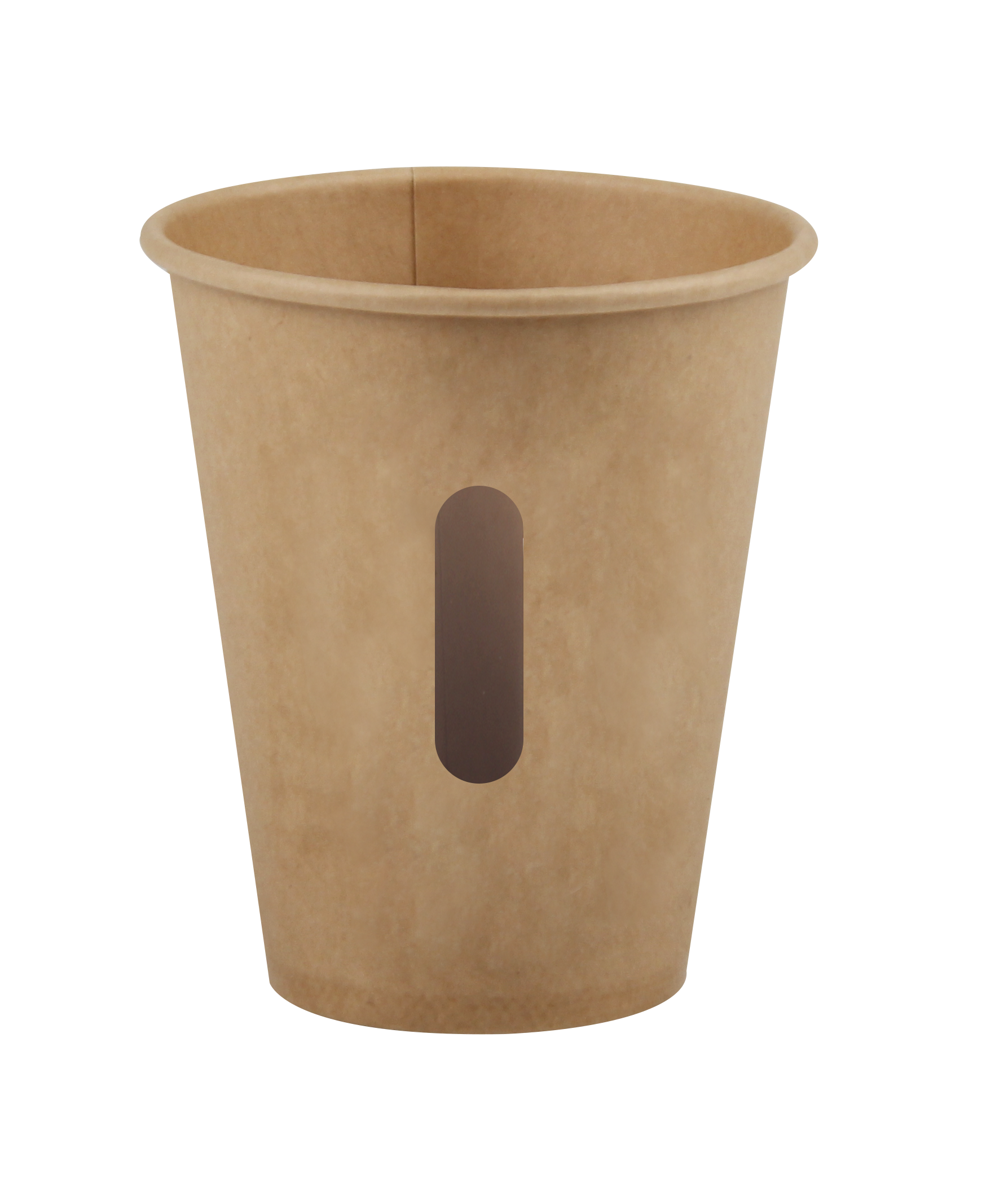
The key to understanding disposable cup pricing lies in finding cost-effective solutions tailored to specific usage scenarios. Their applications are remarkably diverse, spanning everything from commercial operations to personal life.
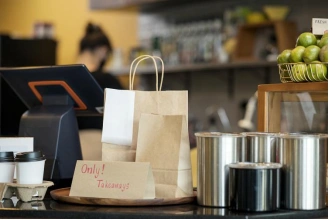
In the core settings of the food and hospitality industry, disposable cups serve as the backbone of daily operations for fast-food restaurants, cafes, and food stalls, enabling efficient service of hot and cold beverages. Here, the cost per cup directly impacts profit margins. They also cater to corporate cafeterias and office break rooms, meeting collective needs in a hygienic and convenient manner, where bulk purchase pricing directly influences logistical management costs.
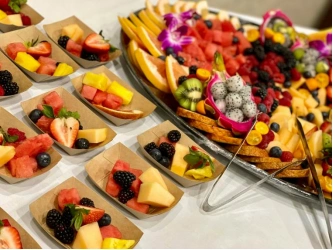
At events and social gatherings, disposable cups demonstrate irreplaceable value. Whether at weddings, celebrations, or large conferences, uniform cups ensure hygiene and simplify cleanup, while bulk purchases yield significant savings for events hosting over 50 guests. Catering companies and organizers of outdoor music festivals or markets require sturdy, often compostable options, where predictable bulk pricing is key to budget control.
In commercial and institutional settings, disposable cups serve hospital and clinic waiting areas, guaranteeing drinking water hygiene. They are widely used during snack times and craft classes in schools and kindergartens, where safety and cost-effectiveness are paramount. Additionally, they are standard equipment for providing professional beverage service at corporate workshops and client meetings.
For personal and household use, disposable cups offer convenience at family barbecues, birthday parties, and gatherings with friends and relatives, eliminating the hassle of washing and the risk of breaking dishes. They are equally suitable for temporary use during moves or renovations, or as a vital component of emergency supplies, ensuring safe drinking water during critical periods.
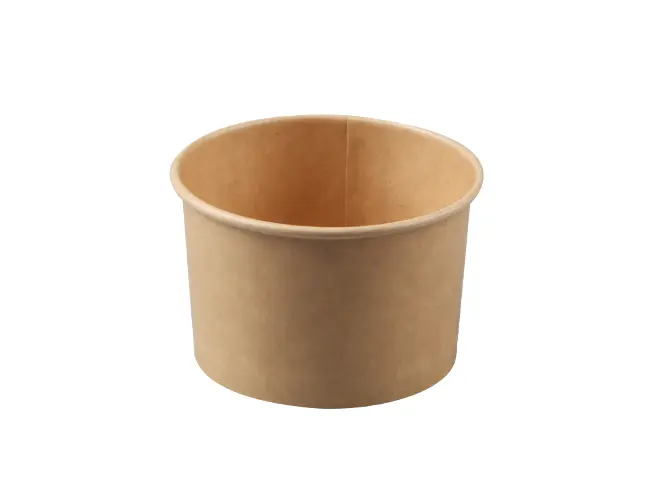
Furthermore, disposable cups play significant roles in specialized and niche applications. Brands like specialty coffee shops and artisanal juice bars prioritize image, selecting specific materials (e.g., transparent cups for display, elegant paper cups) to elevate product aesthetics—material choices directly influence pricing considerations. Simultaneously, the blank cup surface serves as a premium advertising medium, enabling branding collaborations with businesses, nonprofits, or events through custom logos and messaging, transforming them into effective marketing tools.
In summary, whether serving thousands daily in commercial operations or hosting private events, finding affordably priced disposable cups is fundamental to operational efficiency and cost control. Transparent bulk pricing models reliably support diverse needs, while customization services further address deep requirements for branding and specific scenarios.