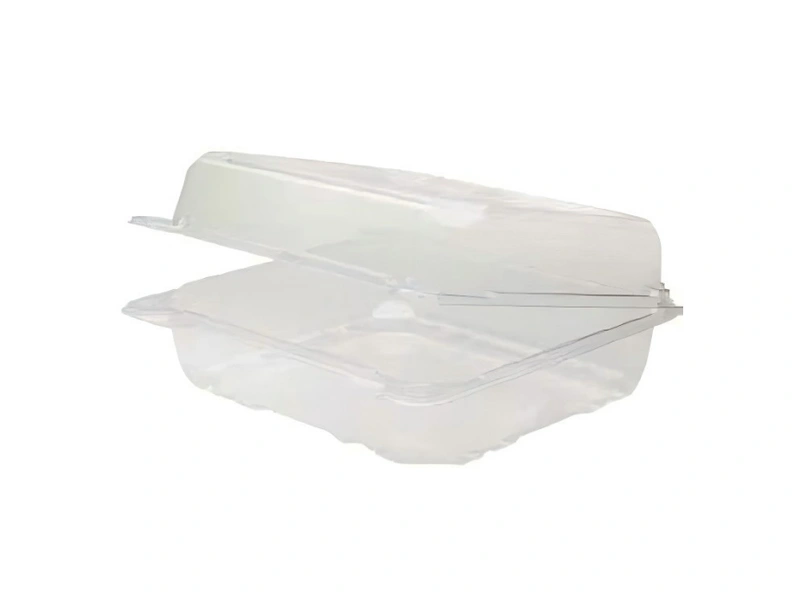
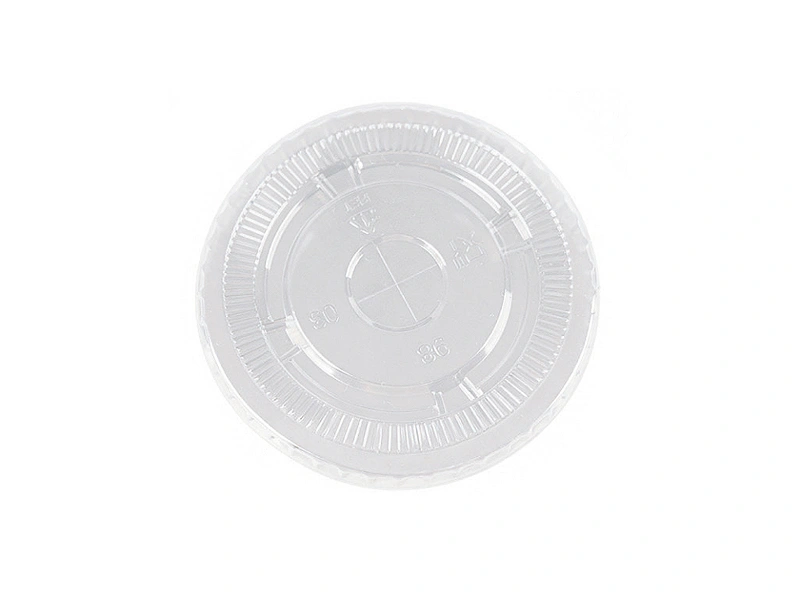
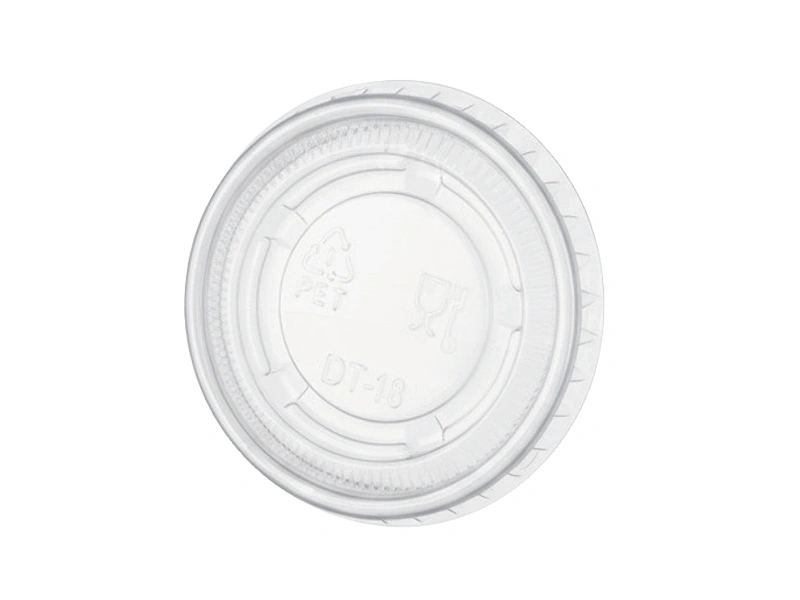
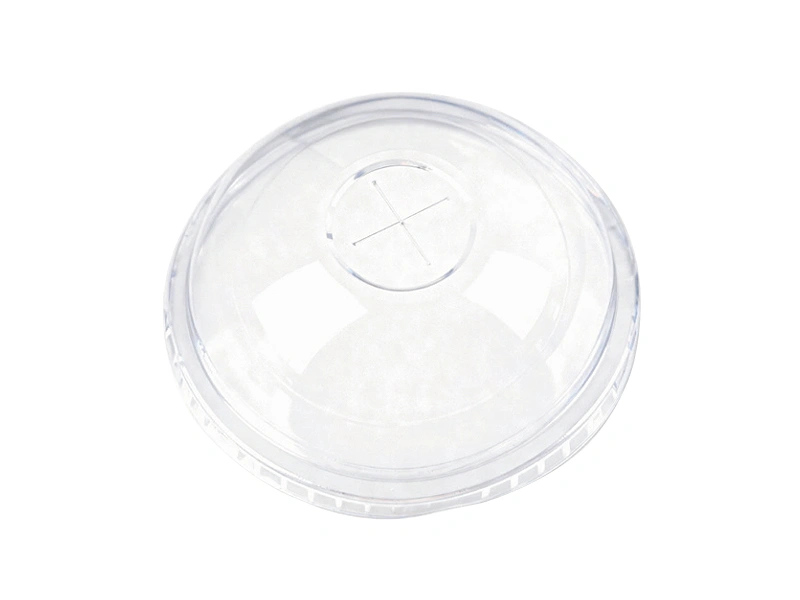
As a practical solution for modern food service, home storage, and commercial activities, disposable plastic containers with lids offer broad and diverse applications.
In the food service industry, these containers are the cornerstone of smooth operations. Restaurants, takeout shops, and food trucks rely on their leak-proof seals to safely transport soups, sauces, and main courses, ensuring a positive customer experience. For catering companies and hotel banquets, they provide an efficient, hygienic method for portioning and packaging meals. Their lightweight and stackable design significantly enhances logistics efficiency. Simultaneously, transparent or printable containers serve as mobile brand advertisements.
Their application is equally critical in the retail and pre-prepared food sectors. Supermarket delis, salad bars, and bakeries leverage their transparent visibility to showcase products and stimulate purchases. In the booming fresh food e-commerce and meal kit subscription sectors, they are indispensable for precise ingredient portioning and maintaining product quality. Small-scale food producers—such as workshops crafting sauces, desserts, or dried goods—often adopt them as economical, hygienic primary packaging solutions.
In institutional and household settings, their value lies in enhancing hygiene and efficiency. Schools, corporate cafeterias, and hospitals leverage their single-use nature to streamline meal distribution, reduce cross-contamination risks, and lower cleaning costs. In home kitchens, they serve as indispensable tools for meal prepping, organizing leftovers, and maintaining refrigerator order. Their airtight seal effectively locks in freshness, while microwave and freezer compatibility further expands their utility.
Beyond food applications, their utility extends to numerous non-food industries. Workshops and laboratories employ them for safely portioning and storing small parts, samples, or non-hazardous chemicals. Craft sellers, stationery stores, and hardware retailers frequently use them to organize and display loose items. In agriculture, they serve for seed storage or cultivating small seedlings.
In summary, the core advantages of disposable plastic containers with lids—hygienic safety, operational efficiency, cost control, and user-friendly convenience—make them versatile carriers bridging commercial operations and daily life. Their market prospects span the entire chain from B2B bulk procurement to C2C household consumption.