


Catalogue
Let's stay in touch
Get 5% off your first order.
Latest Articles
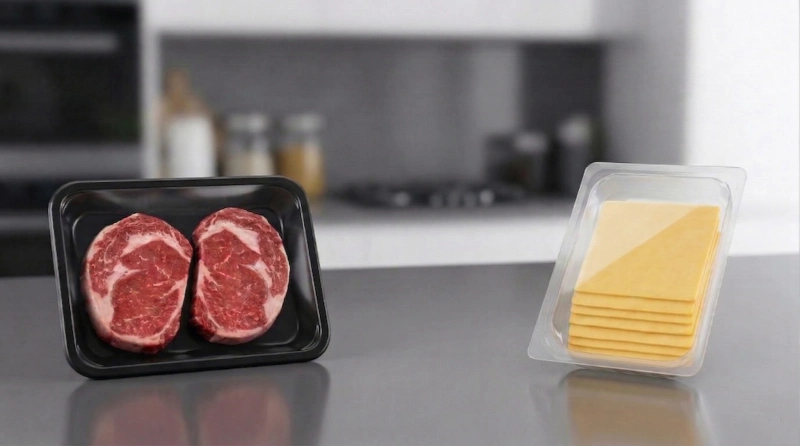
In today's global food supply chain, maintaining product freshness from production line to consumer table is one of the greatest challenges food manufacturers face. Modified Atmosphere Packaging (MAP) has emerged as one of the most effective, science-backed solutions extending shelf life, preserving quality, and eliminating the need for chemical preservatives.
Modified Atmosphere Packaging (MAP) is a preservation technology that extends the shelf life of perishable products by altering the gaseous environment inside a sealed package. Rather than relying on refrigeration or chemical additives alone, MAP replaces the normal air inside packaging with a carefully calibrated mixture of gases - typically oxygen (O2), carbon dioxide (CO2), and nitrogen (N2) - tailored to the specific biological and chemical needs of each product.
The result is a controlled microenvironment that significantly slows the natural deterioration processes: oxidation, microbial growth, and enzymatic activity. MAP is not a single formula - it is a precision tool, and the gas blend is customized product by product.
Oxygen (O2): Oxygen is a double-edged sword in food packaging. While it promotes the growth of aerobic spoilage bacteria and accelerates oxidative rancidity in fats, it is also essential for maintaining the bright red color of fresh red meat. For fresh meat, a higher O2 concentration (typically 60-80%) is used to preserve visual appeal, while for cheese or cooked foods, O2 is minimized or eliminated entirely.
Carbon Dioxide (CO2): CO2 is MAP's primary antimicrobial agent. It dissolves into the moisture and fat of food products, lowering surface pH and inhibiting the growth of most aerobic bacteria and molds. Higher concentrations (20-40%) are commonly used for meat, fish, and dairy. Excessive CO2 can cause package collapse or affect texture, so balance is critical.
Nitrogen (N2): Nitrogen is an inert, flavorless gas used primarily as a filler to displace oxygen and maintain package structure. It prevents package collapse caused by CO2 absorption and acts as a neutral cushion that keeps delicate products such as crisps, salads, or baked goods from being crushed.
Fresh Meat and Poultry: Red meat is typically packaged in a high-O2 atmosphere (70-80% O2, 20-30% CO2) to retain its bright red color while inhibiting bacterial growth. Poultry and processed meats often use low-O2 or O2-free blends.
Seafood: Fish and shellfish are highly perishable. MAP using CO2-rich blends (40-60%) dramatically slows bacterial spoilage, extending shelf life from days to weeks without freezing.
Fresh Produce: MAP for produce typically reduces O2 and slightly elevates CO2 to slow respiration rate, delaying ripening and extending freshness - critical for export markets with long transit times.
Bakery and Snack Foods: For bread, pastries, and snacks, MAP (often CO2 + N2, zero O2) prevents mold growth and oxidative rancidity without refrigeration, allowing ambient-temperature distribution.
Ready-to-Eat and Cooked Foods: Shelf life can be extended from a few days to several weeks, enabling centralized production and wide distribution.
Dairy Products: Hard and semi-hard cheeses packed with CO2/N2 blends remain mold-free significantly longer while maintaining flavor integrity.
Clean Label Compatibility: With no chemical preservatives required, MAP supports the growing consumer demand for natural, minimal-ingredient products.
Retained Sensory Quality: Flavor, color, aroma, and texture are preserved at a level that refrigeration or vacuum packaging alone cannot match.
Reduced Food Waste: Longer shelf life means less product is discarded at retail and consumer level, contributing directly to sustainability goals.
Supply Chain Flexibility: Extended shelf life enables longer distribution windows, more efficient logistics planning, and access to export markets previously out of reach.
Scalable and Automated: Modern MAP systems integrate seamlessly into high-speed production lines, making the technology suitable for operations of all scales.
Regulatory Compliance: MAP is recognized and approved by international food safety authorities including the FDA, EFSA, and Codex Alimentarius, making it suitable for global trade.
Modified Atmosphere Packaging represents the intersection of food science, materials engineering, and practical logistics. For food producers looking to extend shelf life, reduce waste, meet clean-label demands, and compete in international markets, MAP is not just an option - it is increasingly a necessity. As consumer expectations for freshness and transparency continue to rise, MAP technology offers a proven, scalable, and science-driven path forward.